
JAA flags gaps in Maharashtra Clinical Establishments Bill, seeks stronger patient rights
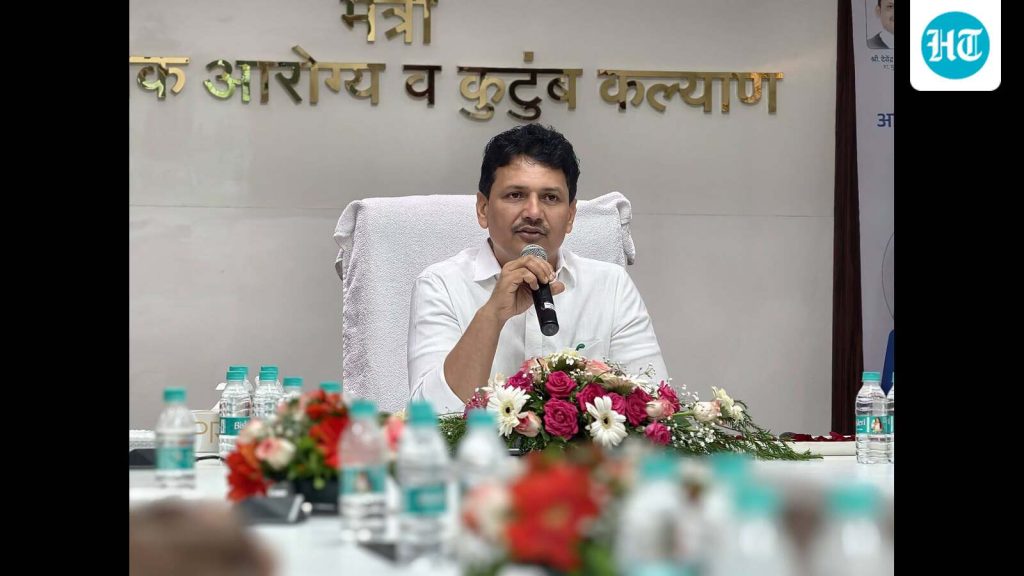
Jan Arogya Abhiyan Highlights Shortcomings in Maharashtra’s Proposed Clinical Establishments Legislation
Bharatmorningnews.com – Following the Indian Medical Association’s stance, the Jan Arogya Abhiyan—a collective of civil society organizations, people’s movements, and health rights groups—voiced opposition on Wednesday to the draft Maharashtra Clinical Establishments Bill 2026. The coalition argues that crucial patient protections embedded in current regulations have been omitted from the new proposal. They have requested the state administration to amend the legislation prior to its enactment, emphasizing enhanced accountability for medical facilities and improved mechanisms for resolving patient complaints.
The government has extended an invitation for public feedback and objections regarding the draft proposal until August 20.
Legislative Progress and Initial Reactions
On July 3, Health Minister Prakash Abitkar presented the legislation in the assembly, subsequently directing it to a 21-member joint select committee for comprehensive evaluation. Prior to this, the IMA had expressed reservations, noting potential impacts on smaller medical centers, nursing homes, day-care facilities, and individual clinics. The medical association advocated for referral to a legislative joint committee or a suitable body for thorough examination and necessary modifications.
Missing Safeguards and Patient Protections
The JAA contends that the draft bill, intended to supersede the 2021 Maharashtra Nursing Home Registration framework, fails to incorporate several vital safeguards. These include clauses prohibiting hospitals from detaining deceased patients’ bodies for any justification and preventing the confinement of patients solely due to unpaid medical expenses.
Additional omissions identified by the coalition involve explicit rights for female patients to have a female companion present during examinations, alongside clear guidelines for treating individuals living with HIV. Furthermore, the draft neglects requirements for hospitals to publicly display physicians’ credentials, qualifications, and registration numbers. It also omits provisions mandating the issuance of comprehensive discharge cards detailing diagnoses, treatments administered, and subsequent medical advice.
Grievance Mechanisms and Council Composition
Concerns extend to the proposed grievance resolution system. While the 2021 regulations stipulate that hospitals must maintain a dedicated grievance cell with a toll-free number and resolve admitted patients’ complaints within 24 hours, the new draft lacks these specific mechanisms. It also fails to establish a clear district-level forum for patient redressal.
The JAA has criticized the proposed state council’s composition, noting its heavy reliance on government health officials and statutory medical council representatives. The organization recommends broader representation including patient advocacy groups, health rights organizations, women’s associations, nursing bodies, and medical associations. Additionally, they have called for the creation of an independent, full-time regulatory authority and district-level grievance committees led by retired district judges or equivalent legal experts.
Expert Perspectives on the Proposed Law
The JAA has also sought regulation of hospital charges. As per the draft, hospitals are required to display their rates but the draft does not provide for actual regulation or standardisation of charges. There should be standard treatment guidelines to reduce the risk of unnecessary tests and procedures.
— Dr. Anant Phadke, Health Activist
The new law must strengthen patient rights, not dilute them. All 20 patient rights and safeguards under the existing Maharashtra framework and the National Patients’ Rights Charter should be incorporated, along with a simple and time-bound grievance system at the district and state levels.
— Dr. Arun Gadre, Health Activist
Call for Public Participation
The JAA has urged health professionals, activists, and citizens to submit their recommendations regarding the draft bill through the Maharashtra legislature’s official website by August 20, 2026. They have emphasized the importance of conducting wider consultations with various stakeholders before finalizing the legislation to ensure comprehensive patient protection and healthcare accountability.
Related Reading
Frequently Asked Questions
What is JAA flags gaps in Maharashtra Clinical?
JAA flags gaps in Maharashtra Clinical is the main topic of this guide. The article explains the context, practical details, and next steps readers should understand.
Why does JAA flags gaps in Maharashtra Clinical matter?
JAA flags gaps in Maharashtra Clinical matters because readers are looking for a useful answer, not just a short summary. Good content should match search intent and help them decide what to do next.