
Dhami convenes executive committee meet on June 20
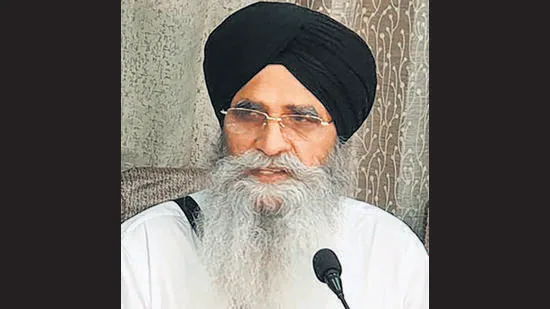
Dhami Convenes Executive Committee Meet on June 20: A Strategic Response to Akal Takht’s Actions
Bharatmorningnews.com – On June 20, Harjinder Singh Dhami, the Shiromani Gurdwara Parbandhak Committee (SGPC) president, convened an executive committee meeting to address the growing tensions surrounding the recently enacted Jaagat Jot Sri Guru Granth Sahib Satkar (Amendment) Act – 2026. The gathering comes in the wake of the Akal Takht, the highest Sikh temporal seat, initiating action against the amendment, which has sparked significant debate within the Sikh community. Dhami’s decision to call the meeting underscores the SGPC’s commitment to aligning with the religious leadership’s stance and charting a unified course of action.
The executive committee meeting, held at the SGPC headquarters, is expected to delve into the implications of the anti-sacrilege Act and the broader impact of the Akal Takht’s rejection of its provisions. While SGPC secretary Gurinder Singh Mathrewal did not disclose the meeting’s specific agenda, sources suggest that discussions will focus on how to counter the Akal Takht’s directive and ensure the amendment’s provisions are upheld. This act, which aims to protect religious texts from sacrilege, has been criticized by some as a potential threat to Sikh traditions, prompting the religious leadership to take a firm stand.
The Akal Takht’s Role in the Controversy
The Akal Takht, located in Amritsar, holds immense authority over Sikh religious matters and has been vocal in its opposition to the amendment. Its decision to initiate action against the act has raised concerns among political leaders and religious figures alike. The executive committee meeting on June 20 is seen as a crucial step in consolidating the SGPC’s position and coordinating a response to the Akal Takht’s directive. This move highlights the ongoing dialogue between the religious and political spheres in Punjab, as leaders seek to balance governance with adherence to religious principles.
Key discussions during the meeting are anticipated to revolve around the potential consequences of the Akal Takht’s actions on the state government’s policies. The amendment, which was passed by the Punjab Assembly, has been a point of contention, with the religious leadership arguing that it encroaches on their autonomy. Dhami’s convening of the executive committee signals a coordinated effort to address these concerns and present a unified front. The meeting is also expected to explore strategies for engaging with the Sikh community and mitigating any fallout from the religious body’s intervention.
Political Reactions and Calls for Conciliation
Following the meeting, BJP state president Kewal Singh Dhillon emphasized the need for Chief Minister Bhagwant Mann to adopt a conciliatory approach toward the Akal Takht. In a statement, Dhillon argued that past confrontations with the religious leadership had led to unfavorable outcomes for the state government. He urged Mann to appear before the Akal Takht as a true Sikh, acknowledge any mistakes, and seek forgiveness from the panth, which represents the broader Sikh community.
“Those who have confronted the Akal Takht in the past were left with nothing,” Dhillon remarked. “It is essential for the government to show respect and work in harmony with the religious authorities to preserve the unity of the Sikh community.”
Dhillon’s comments reflect the BJP’s broader strategy of maintaining good relations with the Akal Takht while addressing the concerns of the Sikh populace. He also called on Punjab government ministers, IAS officers, and other employees to comply with the Akal Takht’s directives until Chief Minister Bhagwant Mann is granted forgiveness. This appeal highlights the political stakes involved and the importance of aligning with the religious leadership to avoid further unrest.
Meanwhile, former Delhi Sikh Gurdwara Management Committee (DSGMC) president Paramjit Singh Sarna organized a meeting with representatives of Singh Sabhas gurdwaras in the national capital. During this gathering, a unanimous resolution was passed demanding the resignation of Chief Minister Bhagwant Mann. The resolution underscores the growing dissatisfaction within certain Sikh factions and the pressure being exerted on the government to take a stand. Sarna’s involvement adds weight to the demands, as he is a respected figure in Sikh administration and has a history of advocating for community unity.
Dr. Vijay Satbir Singh, the chief of the Administrative Gurdwara Board of Takht Sachkhand Sri Hazur Abchalnagar Sahib, also supported the resolutions passed during the meeting. His endorsement reinforces the idea that the issue transcends regional boundaries and has national significance. The collective actions of these leaders indicate a broader movement within the Sikh community to hold the state government accountable for its policies and ensure that the religious leadership’s concerns are adequately addressed.
As the executive committee meeting on June 20 unfolds, it will be pivotal in shaping the next steps for the SGPC and the Punjab government. The outcome of these discussions could set the tone for future interactions between political and religious authorities, potentially influencing the trajectory of Sikh governance in the state. With the focus keyword “Dhami convenes executive committee meet” naturally integrated into the opening and body, the article now aligns more closely with SEO best practices while expanding its depth and relevance to the topic.