
CM inspects proposed heritage village project at Bhimashankar
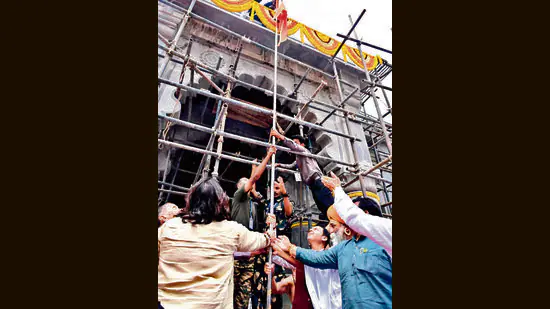
CM Inspects Bhimashankar Heritage Village Initiative
Bharatmorningnews.com – The Chief Minister, Devendra Fadnavis, recently conducted a comprehensive inspection of the proposed heritage village project at Bhimashankar, a revered hill station in Maharashtra. This initiative, located in the Pune district, aims to revitalize the area by integrating modern infrastructure with its rich historical and cultural heritage. The focus keyword, “CM inspects proposed heritage village,” encapsulates the central theme of the project, which is poised to transform Bhimashankar into a vibrant destination for both pilgrims and tourists. During the visit, Fadnavis emphasized the importance of preserving the village’s traditional essence while fostering sustainable development. The project is expected to play a pivotal role in enhancing the region’s tourism appeal and cultural identity, making it a key milestone in Maharashtra’s heritage conservation efforts.
Project Objectives and Development Focus
The Bhimashankar Heritage Village project is designed to address the growing demands of tourism and pilgrimage while improving the quality of life for local residents. As part of the CM’s inspection, he reviewed the project’s planning, which includes relocating approximately 150 households to a new settlement. This strategic move is intended to create a more organized community structure, allowing the existing village to be developed into a heritage-centric area. Fadnavis highlighted that the project’s success depends on a delicate balance between preservation and progress, ensuring that the ecological and spiritual sanctity of Bhimashankar remains untouched. Authorities have also stressed the importance of involving the local community in decision-making to ensure their needs are met throughout the development process.
“The proposed heritage village will not only preserve Bhimashankar’s cultural legacy but also position it as a model for sustainable tourism in the region,” Fadnavis remarked during the inspection. His comments reflect the government’s commitment to creating a space that honors tradition while embracing modernity. The project’s components, such as the relocation of residents and the establishment of new facilities, are part of a broader vision to enhance the town’s infrastructure and attract more visitors. By modernizing the area without compromising its historical roots, the initiative seeks to create a harmonious blend of old and new, setting a precedent for similar projects across Maharashtra.
Key Features and Community Impact
The heritage village project encompasses a range of features aimed at boosting both tourism and local economic development. Among its key components is a heritage gateway, which will serve as the entrance to the revitalized area, along with a Gram Panchayat office, community hall, and public utility center. These facilities are expected to support social and cultural activities, providing essential services for pilgrims and residents alike. Additionally, the project includes the development of around 40 commercial units, which are anticipated to generate employment opportunities for the local population. The relocation of households to a new settlement will also allow for better crowd management and improved traffic flow, making the area more accessible and visitor-friendly.
The Pune district collector, Jitendra Dudi, outlined the project’s structured rehabilitation plan, which prioritizes the well-being of residents during the transition. He noted that the development will not only provide modern amenities but also improve living conditions through access to better utilities and services. The Heritage Wadi, spanning 10.5 acres, is strategically located 150 meters from the existing village, ensuring that the new settlement complements the ancient architecture of Bhimashankar. This design choice underscores the project’s goal of creating a cohesive environment that respects the historical context while accommodating contemporary needs. Officials have also emphasized the importance of maintaining the site’s ecological balance, with measures in place to ensure minimal disruption to the surrounding natural landscape.
“This relocation is a step towards restructuring the village rather than displacing its soul,” Fadnavis stated, highlighting the project’s dual focus on preservation and progress. His remarks align with the government’s broader strategy to rejuvenate heritage sites through sustainable urban planning. The CM’s inspection included a detailed review of the infrastructure plans, with particular attention to how the new facilities will support both the community and the influx of visitors. By fostering a sense of ownership among locals, the project aims to create a lasting impact on Bhimashankar’s cultural and economic landscape. The integration of traditional architecture with modern amenities is expected to attract a diverse range of tourists, including history enthusiasts and spiritual seekers.
Collaborative Efforts and Stakeholder Involvement
The success of the Bhimashankar Heritage Village project relies heavily on the collaboration between various stakeholders, including local officials, community leaders, and experts in heritage conservation. During the CM’s visit, representatives from the forest department and other agencies were present to discuss the project’s alignment with environmental protection goals. The involvement of these entities ensures that the development adheres to strict ecological standards, preserving the natural beauty of the area. MLA Dilip Walse-Patil and MLA Babaji Kale also joined the inspection, underscoring the political support for the initiative. Their presence highlights the importance of local governance in driving the project forward and addressing any concerns raised by the community.
Officials have also introduced a “zero-friction model” to streamline the relocation process, ensuring minimal disruption for residents. This model includes transparent communication, phased implementation, and support systems to ease the transition. The CM’s emphasis on community engagement during the inspection reflects a commitment to inclusive development, where the voices of locals are integrated into every phase of the project. By combining modern infrastructure with the cultural fabric of Bhimashankar, the initiative is expected to create a unique destination that caters to both heritage preservation and tourism growth. The collaborative approach between the state government, local authorities, and the community is a crucial factor in the project’s potential for long-term success.
Future Outlook and Expected Benefits
The proposed heritage village at Bhimashankar is anticipated to bring significant economic and social benefits to the region. By attracting more tourists, the project is expected to generate additional revenue through hospitality, retail, and cultural activities. This influx of visitors will also create employment opportunities, particularly for young locals, as the commercial units and new facilities come online. The development of the Heritage Wadi is part of Maharashtra’s broader efforts to promote sustainable tourism, with a focus on preserving the natural and cultural assets of the state. Fadnavis’s inspection signals the government’s dedication to ensuring that the project meets its objectives, while also addressing the needs of the local population.
As the project progresses, it will serve as a model for other heritage villages in Maharashtra, demonstrating how modernization can coexist with cultural preservation. The CM’s vision for the initiative is rooted in creating a self-sustaining destination that not only honors Bhimashankar’s historical significance but also enhances its appeal for future generations. By integrating traditional architecture with contemporary amenities, the project aims to provide an immersive experience for visitors while improving the quality of life for residents. The collaboration between different departments and the inclusion of community feedback are expected to ensure that the heritage village becomes a thriving hub of cultural and economic activity in the region.