
Al-Qaeda offshoot behind Red Fort blast: UNSC body
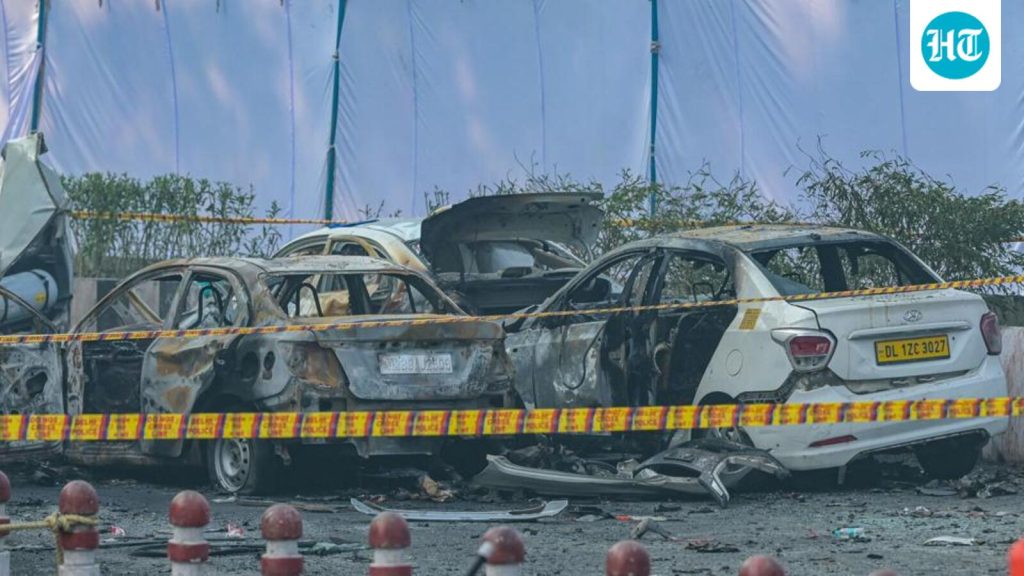
UN Report Links AQIS to Red Fort Car Bombing
Bharatmorningnews.com – A United Nations Security Council monitoring body has formally connected al-Qaeda in the Indian Subcontinent (AQIS) to the November 2025 car bomb explosion near Delhi’s Red Fort. The biannual assessment, released this week, also highlights the group’s efforts to set up operational cells within Bangladesh.
The monitoring team’s findings indicate that both al-Qaeda and the Islamic State have maintained long-term interest in advancing chemical and biological weapons capabilities. By the close of 2025, Indian law enforcement had detained three suspects, among them a medical professional, who were allegedly assigned by an overseas Islamic State cell to create ricin poison.
Investigation and Perpetrators
The National Investigation Agency submitted a chargesheet in May targeting ten individuals connected to the Red Fort incident. The November 10, 2025 attack utilized a vehicle-borne improvised explosive device and resulted in eleven deaths alongside substantial property destruction and multiple injuries. All ten accused were associated with Ansar Ghazwat-ul-Hind (AGuH), an AQIS affiliate.
Investigators pinpointed Umar un-Nabi as the main perpetrator. The former assistant professor of medicine at Al-Falah University in Faridabad perished during the explosion.
The attack in November 2025 on the Red Fort in Delhi was officially attributed to AQIS. There was some concern about AQIS trying to exploit Bangladesh to establish cells there.
Organizational Evolution and Regional Ties
According to the UN report, AQIS has transformed from a scattered organization into a cohesive regional terrorist network. Rather than operating through large formations, the group now functions through decentralized, smaller cells while maintaining established financial and logistical connections.
The assessment reveals that AQIS leadership continues to operate from Kabul after receiving tazkiras, or national identification documents. This development points to strengthened collaboration between the group and the Taliban.
AQIS also served as the foundation for Ittihad-ul-Mujahideen Pakistan (IMP). The IMP was linked to several assaults, including a May 9 incident in Khyber-Pakhtunkhwa province where a suicide bomber and a vehicle-borne explosive killed twenty-one people near a security checkpoint.
Chemical Weapons Development
While both major terror organizations persist in pursuing chemical and biological weapons, they have yet to resolve “associated technical challenges,” the report observes. Online terrorist networks have disseminated development guidance extensively. Islamic State’s English-language publication, Invade, featured instructions for producing cyanide and botulinum toxin in February.
ISIL-K, the group’s South and Central Asian affiliate, demonstrated particular focus on ricin production, circulating relevant instructions throughout the previous twelve months.
Financial and Political Developments
Al-Qaeda’s position within Afghanistan showed no significant change, according to the findings. On April 28, the organization’s official media arm, As-Sahab Media Foundation, issued a declaration endorsing both Taliban activities and Tehrik-e-Taliban Pakistan (TTP) operations against Pakistan. The report noted that while Al-Qaida had historically offered ideological direction and training to TTP, this public endorsement represented a more explicit stance.
The document also drew attention to growing cryptocurrency adoption among terrorist organizations. It suggested the UN consider adding a dedicated digital currency address field to sanctions lists, working alongside relevant expert panels. ISIL-K has already utilized digital currencies for fundraising purposes.
Additionally, the report emphasized concerns regarding third-party exploitation in terror financing and urged adoption of Financial Action Task Force recommendations to identify ultimate beneficial ownership in terrorism investigations.
Rezaul Hasan Laskar serves as Foreign Editor for the Hindustan Times, having joined the publication in 2015. Originally from Shillong in northeast India, he began his journalism career in his hometown before working across various newspapers and wire services. He relocated to New Delhi in 1997, initially covering defense matters, national security, Jammu and Kashmir, and northeastern regions, while also contributing to foreign policy and international relations coverage.
Related Reading
Frequently Asked Questions
What is Al Qaeda offshoot behind Red Fort?
Al Qaeda offshoot behind Red Fort is the main topic of this guide. The article explains the context, practical details, and next steps readers should understand.
Why does Al Qaeda offshoot behind Red Fort matter?
Al Qaeda offshoot behind Red Fort matters because readers are looking for a useful answer, not just a short summary. Good content should match search intent and help them decide what to do next.