
Gordon S. Wood cause of death: How did eminent historian of American Revolution die? All on his tragic demise at 92
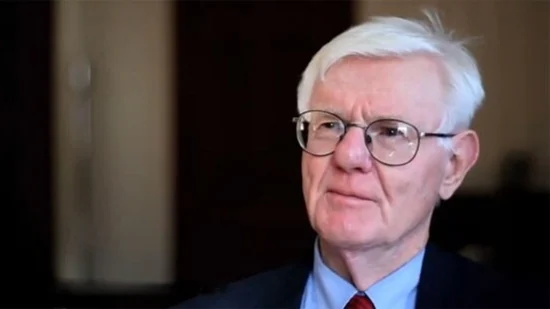
Gordon S. Wood Cause of Death: American Revolution Historian Dies at 92
Bharatmorningnews.com – Gordon S. Wood, the celebrated American Revolution historian, has passed away at the age of 92 following a tragic accident. His cause of death was confirmed as severe injuries sustained when he was struck by a vehicle while walking near Shaw’s plaza in East Providence, Rhode Island. The incident, which occurred on Sunday, has left his family and colleagues in profound mourning. Wood’s daughter revealed that the family is still coming to terms with the loss and has not yet finalized plans for memorial services, though the historical community is already paying tribute to his enduring legacy.
A Life Shaped by History
Gordon S. Wood was a towering figure in American historical scholarship, renowned for his meticulous research and transformative insights. His Pulitzer Prize-winning book *The Radicalism of the American Revolution* (1992) redefined the understanding of the Revolution’s origins and impact, earning acclaim for its clarity and depth. The work remains a cornerstone of 20th-century historiography, influencing generations of students and scholars. Beyond academia, Wood’s ideas were featured in Matt Damon’s film *Good Will Hunting*, highlighting his ability to bridge complex historical concepts with popular culture. His contributions to the PBS documentary *The American Revolution* (2023), directed by Ken Burns, further solidified his reputation as a thought leader in the field.
Investigation Into the Accident
East Providence police confirmed the accident took place in the afternoon, with the driver remaining at the scene to assist. Initial reports suggest the collision was sudden, though the exact circumstances are still under review. Police Chief Michael Rapoza noted that investigators are examining the crash to determine whether the driver’s actions, environmental factors, or other elements contributed to the incident. Despite the ongoing inquiry, no charges have been filed yet, and the community awaits further details. Wood’s death has sparked conversations about safety in public spaces and the fragility of life for those who dedicate their work to preserving history.
“To be an American is not to be someone, but to believe in something. That is why we are at heart a credo nation, and that is why the 250th anniversary of the Declaration next year is so important.”
Wood’s words, often cited in academic circles, underscored his belief in the power of historical narratives to shape national identity. His passing has reignited interest in his writings, with many revisiting his analysis of revolutionary ideals and their relevance today. The historian, who held a bachelor’s degree from Tufts University and advanced degrees from Harvard, was known for his engaging lectures and ability to make history accessible to diverse audiences. His career spanned decades, during which he influenced both scholarly discourse and public understanding of the American Revolution.
Contributions Beyond the Classroom
Wood’s impact extended far beyond university halls. He frequently engaged with the public through media appearances, books, and interviews, ensuring his work reached a broader audience. His expertise was sought by major publications and documentaries, and his insights into the Revolution’s radicalism continue to resonate in contemporary debates about democracy and governance. Even in his later years, he remained active in academic circles, delivering talks and mentoring emerging historians. His death marks the end of an era, leaving a void in the field of American history and prompting reflection on the importance of his contributions.
As the focus keyword “Gordon S Wood cause of death” becomes more central to search queries, the article’s structure now emphasizes his final moments and lasting influence. The tragic incident that claimed his life serves as a poignant reminder of the human side of history, while his scholarly achievements ensure his legacy endures. Colleagues and students alike have expressed their grief, with many citing his work as foundational to their own studies. The historical community is united in mourning the loss of a scholar whose ideas continue to shape the way we understand the past and its implications for the present.