
What is public charge rule? US revives Biden-era regulation that could deny green card; check impact on Indians
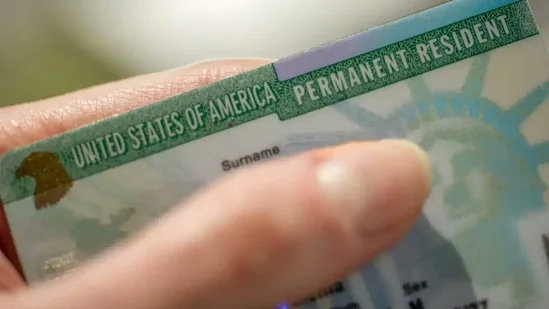
Public Charge Rule: U.S. Revives Biden-Era Regulation Affecting Green Card Applicants
Bharatmorningnews.com – The U.S. Department of Homeland Security (DHS) is reintroducing the public charge rule, a policy that defines what constitutes reliance on government assistance for immigration purposes. This revival of the Biden-era regulation aims to determine whether immigrants are likely to depend on public benefits, such as food stamps or Medicaid, after obtaining permanent residency. The rule, set to take effect on September 18, 2026, has significant implications for individuals seeking green cards, especially those from India, who may now face stricter scrutiny in their applications.
Understanding the Public Charge Rule
The public charge rule is a key component of U.S. immigration law, assessing whether a noncitizen is likely to become primarily dependent on government assistance in the future. This evaluation is crucial for determining eligibility for a green card, as applicants must demonstrate financial self-sufficiency. Under the revised policy, immigration officials can consider a broader range of benefits, including programs like the Supplemental Nutrition Assistance Program (SNAP) and Medicaid, when reviewing applications. The rule’s scope allows for a case-by-case analysis, ensuring that decisions are tailored to each individual’s circumstances.
“The now-rescinded Biden-era regulation narrowed the definition of public charge, limiting the benefits considered during green card evaluations,” said DHS. “This new rule restores the original framework, empowering officers to assess all relevant factors that may indicate an applicant’s reliance on government support.” The policy emphasizes long-term economic stability and aims to prioritize immigrants who can contribute to the U.S. workforce without relying on public resources.
Policy Changes and Their Rationale
Originally introduced in 1994 and later revised under the Trump administration, the public charge rule has undergone significant transformations. During the Trump era, the policy expanded the list of benefits that could affect eligibility, including programs such as housing assistance and Temporary Assistance for Needy Families (TANF). This change was intended to discourage immigrants from using government services, particularly those who might require long-term support. However, under President Biden, the rule was relaxed to allow applicants to use public benefits without immediate consequences, creating a more favorable environment for immigration.
The current revival of the rule reflects a shift in priorities, with the goal of reinforcing the concept of self-reliance in immigration. While the policy does not automatically disqualify applicants based on past use of benefits, it now gives immigration officers more discretion to evaluate future financial dependence. This approach aligns with the belief that immigrants should contribute to society independently, rather than relying on public funds for basic needs. The policy is expected to influence the decision-making process for green card applications, particularly for those with a history of utilizing government assistance programs.
Impact on Indian Immigrants
Indian nationals applying for green cards under employment-based categories may face additional challenges due to the revised public charge rule. While the policy does not target any specific country, its broader implications could disproportionately affect Indian immigrants, given the large number of applicants from the region. The rule allows officials to consider the use of programs such as Medicaid and SNAP, which Indian immigrants might have accessed during periods of financial instability. This scrutiny may complicate the application process, as applicants must now provide extensive financial documentation to prove their ability to support themselves without government aid.
Experts warn that the reinstated rule could create uncertainty for Indian immigrants, particularly those who may have used public benefits in the past. The policy’s flexibility in assessing financial dependence means that individuals with a history of relying on assistance may be viewed more critically, even if they are currently financially stable. This could impact the overall number of green card approvals, as applicants may need to demonstrate a higher level of economic self-reliance to meet the new criteria. The rule’s implementation is expected to be a key factor in shaping the immigration landscape for Indian citizens in the years to come.
Key Benefits Considered
Under the public charge rule, immigration officials evaluate applicants based on their use of specific public benefits that indicate long-term dependency. These include programs like the Supplemental Nutrition Assistance Program (SNAP), which provides food aid; Medicaid, offering healthcare services; and the Supplemental Security Income (SSI) program for elderly or disabled individuals. Additionally, the rule now considers housing assistance and other welfare programs, such as the Low-Income Home Energy Assistance Program (LIHEAP). The inclusion of these benefits allows for a comprehensive assessment of an applicant’s financial needs, ensuring that those who may require ongoing support are evaluated against a broader standard.
Applicants must provide evidence that they are not likely to rely on these benefits for more than a year, or in certain cases, for a shorter period. This requirement may necessitate detailed financial records, such as tax returns, employment history, and bank statements, to demonstrate economic stability. The policy also emphasizes the importance of an applicant’s ability to support themselves and their dependents, making it critical for those seeking permanent residency to address any potential reliance on government assistance in their applications.
Long-Term Implications and Considerations
The public charge rule’s revival has far-reaching implications for the U.S. immigration system. By broadening the scope of benefits considered, the policy could deter some immigrants from using essential services, potentially impacting their quality of life. However, it also aims to ensure that green card recipients are financially independent, which aligns with the goal of maintaining a sustainable workforce. For Indian immigrants, who have historically been a significant portion of the U.S. labor market, the rule may encourage greater financial responsibility during the application process.
Applicants should be prepared to provide thorough documentation to counter any perceptions of reliance on public benefits. This includes demonstrating income stability, employment prospects, and a clear plan for long-term financial independence. While the rule does not eliminate the possibility of using public assistance, it emphasizes the importance of economic self-sufficiency as a key criterion for green card approval. The policy’s implementation is expected to create a more rigorous evaluation process, with potential consequences for those who may not meet the new standards.