
Dudhwa’s glowing fungi return with the monsoon
Dudhwa’s glowing fungi return with the monsoon
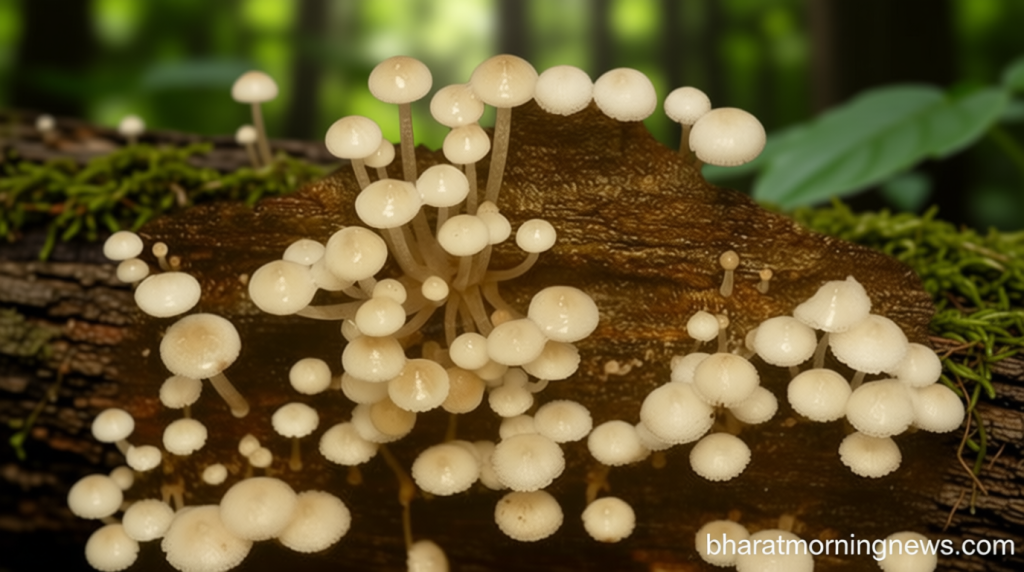
Bharatmorningnews.com – As the monsoon season sweeps across northern India, Dudhwa National Park becomes a beacon of natural wonder, particularly in the Salukapur region where the elusive Dudhwa’s glowing fungi make their annual return. This phenomenon, characterized by the faint bioluminescent glow of certain fungal species, has captivated researchers and nature enthusiasts alike, offering a rare glimpse into the park’s complex and vibrant ecosystem. The reappearance of these glowing fungi, which emit a soft, ethereal light, is not only a striking visual spectacle but also a testament to the delicate balance of life that thrives in this protected area during the wet season.
The Magic of Bioluminescence in Dudhwa
Biologists and ecologists have long been fascinated by the bioluminescent properties of fungi, a trait that is both scientifically intriguing and visually mesmerizing. In Dudhwa, the Dudhwa s glowing fungi are part of a broader group of organisms that produce light through a biochemical process involving luciferin and luciferase. This natural phenomenon is often associated with specific conditions, such as high humidity and the presence of decaying organic matter, which the monsoon season provides in abundance. The fungi’s luminescence, though subtle, plays a crucial role in attracting nocturnal insects and other microorganisms, which in turn support the food web within the forest.
The first documented sightings of the Dudhwa s glowing fungi occurred during last year’s monsoon survey, led by a team of dedicated researchers including biologist Vipin Kapoor Saini, along with Apoorva Gupta and range officer Surendra. Their discovery of Filoboletus manipularis, a species previously identified in the region, sparked a renewed interest in the park’s fungal diversity. The fungi are typically found in clusters on decaying wood and fallen logs, a habitat that becomes particularly conducive during the monsoon. This season’s rediscovery has not only rekindled scientific curiosity but also highlighted the importance of continued fieldwork in preserving and understanding such rare occurrences.
Ecological Significance and Environmental Impact
While the Dudhwa s glowing fungi may be a crowd-pleaser, their ecological contributions are equally remarkable. These fungi act as decomposers, breaking down dead wood and returning vital nutrients to the soil, which is essential for the forest’s regeneration. This process, known as nutrient cycling, supports the growth of new vegetation and sustains the intricate web of life in Dudhwa. Additionally, the presence of four other macrofungi species in the area provides further evidence of the park’s biodiversity and its role as a critical habitat for various wildlife.
During the recent field expedition, the research team meticulously documented the Dudhwa s glowing fungi and their surrounding microhabitats. Field director H. Rajamohan emphasized that the fungi’s return is a sign of the park’s ecological health and resilience. “The reappearance of these fungi during the monsoon season is not just a beautiful occurrence—it’s a biological indicator of the environment’s stability,” Rajamohan explained. The team’s observations also revealed that the fungi thrive in clusters, often forming dense colonies on logs and tree stumps, which further underscores their dependence on the forest’s decaying matter.
“The team documented the naturally occurring fungi once again during this week’s survey,” Rajamohan stated. “They thrive in clusters on decaying wood and fallen logs, emerging prominently during the monsoon season.”
Researchers are now focusing on understanding the specific conditions that trigger the fungi’s bioluminescence and how these factors may be influenced by climate change. The monsoon season, with its increased rainfall and humidity, creates an ideal environment for the fungi to flourish, but experts warn that shifts in weather patterns could disrupt this cycle. The Dudhwa s glowing fungi are not just a scientific curiosity—they are a living part of the forest’s ecosystem, and their return with the monsoon serves as a reminder of the interconnectedness of all life forms in this region.
Conservationists are also highlighting the need for sustainable practices to protect Dudhwa’s unique biodiversity. The park, which is home to over 58 other macrofungi species, faces challenges from human activity and habitat degradation. By studying the Dudhwa s glowing fungi and their role in the environment, scientists hope to develop strategies that ensure their survival for future generations. This includes monitoring the fungi’s population trends and promoting eco-friendly tourism that allows visitors to admire their glow without disrupting their habitat.
The Dudhwa s glowing fungi have become a symbol of the park’s natural heritage, drawing attention from both local and international conservation groups. Their presence during the monsoon season not only enriches the ecological landscape but also offers a unique opportunity for education and awareness. As the fungi light up the forest floor, they remind us of the hidden wonders that exist in nature and the importance of preserving them. The return of these glowing fungi with the monsoon is a phenomenon that continues to inspire awe and curiosity, reinforcing the value of Dudhwa as a site of scientific and environmental significance.