
Centre hikes windfall tax on diesel, jet fuel; cuts petrol export levy
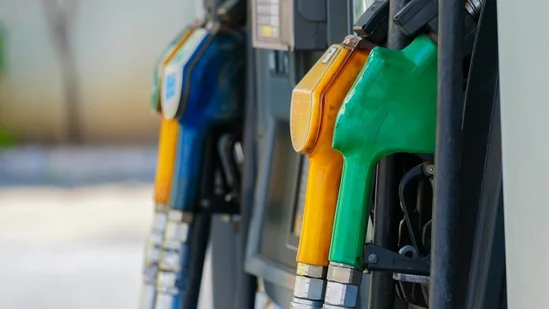
Centre Hikes Windfall Tax on Diesel, Jet Fuel; Cuts Petrol Export Levy
Bharatmorningnews.com – The Indian government has made significant adjustments to excise duties on petroleum products, with a notable focus on the windfall tax on diesel. In response to rising global crude oil prices and heightened geopolitical tensions, the Centre introduced a revised excise duty structure that increases the windfall tax on diesel and aviation turbine fuel (ATF), while simultaneously reducing the export levy on petrol. This move aims to balance the interests of domestic consumers and exporters, ensuring stable fuel availability within the country while offering some relief to international sellers.
Understanding the Windfall Tax Adjustments
The windfall tax, also known as the Special Additional Excise Duty (SAED), is a levy imposed on fuel exports to prevent producers from profiting excessively from price surges. Effective from July 1, the SAED on diesel was raised to ₹15.5 per litre, up from ₹8.5 per litre, marking a substantial increase. Similarly, the SAED for ATF was set at ₹14.5 per litre, effective from July 1 until the rate of ₹7.5 per litre. These changes are part of a broader effort to stabilize domestic fuel prices and manage the impact of fluctuating international oil markets.
The reduction in the petrol export levy to ₹2.5 per litre, down from ₹4 per litre, is a key component of this policy shift. This decision is expected to provide immediate financial relief to exporters, who have been facing challenges due to the recent surge in global oil prices. However, the government has clarified that the SAED on diesel and ATF, as well as the export levy on petrol, will not affect the excise duties for fuels used domestically. This ensures that the burden of price increases is primarily shouldered by those exporting to international markets.
Context and Rationale Behind the Policy
The decision to hike the windfall tax on diesel comes amid rising tensions in the Middle East, particularly following the escalation of hostilities between the US and Iran. These geopolitical developments have disrupted oil supply chains and contributed to a sharp increase in global crude oil prices. To mitigate the impact of these price surges on domestic consumers, the government opted to increase the windfall tax on diesel and ATF, which are heavily used in the transportation and industrial sectors.
Previously, on March 27, the government had imposed excise duties on diesel and ATF, adjusting them every two weeks. The latest changes follow a similar pattern, with the focus now on aligning the tax structure with current market conditions. The Ministry of Finance stated that the adjustment is a strategic move to prevent exporters from capitalizing on price disparities and to ensure adequate domestic supply of essential fuels. By increasing the windfall tax on diesel, the government aims to curb speculative pricing and stabilize the domestic market.
Following the easing of tensions and the reopening of the Hormuz Strait, fuel prices in India have seen a decline. Prices for commercial LPG, a key product used in hospitality and households, were reduced by ₹183.50 per 19-kg cylinder, as reported by news agency PTI. This decline in prices is attributed to the new excise duty structure, which includes the increased windfall tax on diesel and the reduced export levy on petrol. The combination of these measures is expected to have a cascading effect on the overall fuel market, influencing both production and consumption patterns.
Impact on the Fuel Market and Consumers
Experts suggest that the hike in the windfall tax on diesel will lead to a more equitable distribution of costs between domestic users and exporters. With diesel prices remaining high due to global market trends, the additional tax is designed to incentivize local consumption and reduce the outflow of fuel to international markets. This strategy is particularly important for a country like India, where fuel subsidies play a critical role in maintaining affordability for millions of consumers.
The reduction in the petrol export levy, however, is seen as a temporary measure to support exporters. Industry analysts believe that this cut will help stabilize the international market and prevent a further rise in petrol prices. Despite the changes, the government maintains that the focus keyword, “Centre hikes windfall tax on diesel,” remains central to its policy framework, ensuring that the domestic market is not disproportionately affected by global price fluctuations.
“Nayara Energy, India’s largest private fuel retailer, adjusted petrol prices by ₹5 per litre and diesel by ₹3 across its nationwide network,” PTI noted. This adjustment reflects the immediate impact of the new excise duty structure on retail prices, highlighting the government’s attempt to align domestic costs with international market dynamics. As the policy takes effect, further changes may be announced to address evolving economic and geopolitical challenges, ensuring the Indian fuel market remains resilient in the face of uncertainty.
The Ministry of Finance has emphasized that these changes are part of a long-term strategy to maintain fuel availability and control costs. By increasing the windfall tax on diesel, the government aims to offset the revenue lost from the petrol export levy reduction, ensuring that the overall financial burden on the petroleum sector remains balanced. This approach is expected to provide a buffer against potential price shocks and support the stability of the domestic market.