
The many portents of growing inequality
The Many Portents of Growing Inequality
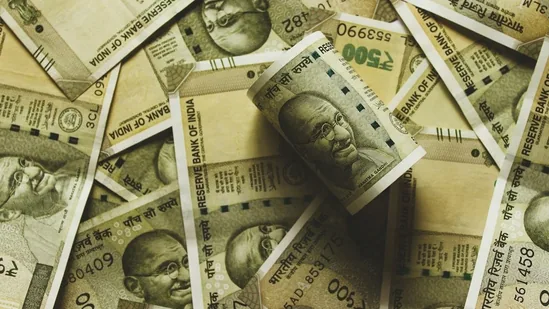
Bharatmorningnews.com – India’s economic landscape is marked by a steady increase in the number of millionaires and high-net-worth individuals (HNIs). In the most recent financial year, 5,012 new members joined this affluent group, raising the total membership of the millionaire club to over 871,000. While this figure might appear impressive to an Indian observer, it also signals deeper concerns about wealth distribution and social equity.
A Growing Wealth Divide
High-net-worth individuals are defined as those possessing assets equivalent to $1 million or ₹9.5 crore, which can be swiftly converted to cash upon fulfilling their financial commitments. The HNI population grew by 6% last year, a slower rate compared to the 2021-2023 period, when the surge in stock markets and real estate drove an uptick of up to 9%. These affluent individuals command 65-75% of the nation’s total wealth and business assets, highlighting a stark disparity in economic power.
“More millionaires than ever” but India among nations with highest inequality. What key report reveals
Income inequality isn’t confined to India. It’s a global phenomenon, affecting both developed economies like the U.S. and Japan, as well as middle-income countries such as China and developing regions worldwide. A joint study by Capgemini Research Institute and UBS Global Wealth reveals that while average wealth has increased, the financial situation of ordinary citizens has worsened. This duality is evident: on one side, figures like Elon Musk accumulate vast fortunes, while on the other, communities at the lower end of the economic spectrum face mounting hardship.
Rebels in the Streets
Across the globe, income inequality has fueled social unrest. In South Asian nations like Sri Lanka, Bangladesh, and Nepal, citizens took to the streets, driven by widespread dissatisfaction. In Sri Lanka, demonstrators even broke through security barriers to attack the presidential palace, forcing a political shift. Similar movements have emerged in Kenya, Kenya, and Latin American countries, with even the UK experiencing the fallout of such protests.
During these uprisings, a common theme emerged: public outrage against the opulence of the wealthy. Social media reels showcasing politicians, affluent elites, and their lavish lifestyles went viral, underscoring the growing resentment among those struggling to meet basic needs.
India’s Unique Challenge
Though India’s situation is less dire than some other nations, it still reflects systemic issues. Reports highlight a troubling trend of educated youth gravitating toward cybercrime, drawn by the allure of quick financial gains and the promise of a lifestyle that mirrors the wealthy elite. This shift is linked to a pervasive culture of consumerism, which has intensified the fear of missing out (FOMO) among the youth.
India’s challenge lies in aligning its economic policies with global demands. Despite having the world’s largest pool of graduates and engineers, only 56.35% of these professionals are deemed employable. More than 43% face the prospect of economic struggle. Among the employable, engineers dominate, but even they encounter obstacles in an era of rapid technological change. Only 46% of computer science graduates are effectively utilized, despite their technical skills.