
Gyanvapi, Mathura and Sambhal litigants decline Supreme Court’s mediation offer
Gyanvapi, Mathura, and Sambhal Litigants Reject Supreme Court Mediation
Bharatmorningnews.com – Stakeholders in the long-standing Gyanvapi, Mathura, and Sambhal temple-mosque disputes have turned down the Supreme Court’s recent mediation proposal, favoring a judicial approach to resolve the conflicts. These cases, which involve complex claims over religious sites and constitutional rights, continue to be debated before the apex court, with parties asserting that court decisions are essential for finality and legal precedence. The rejection of mediation has left the disputes unresolved, as the Supreme Court’s initiative to settle them through a special Lok Adalat was not accepted by the litigants.
Supreme Court’s Mediation Plan
The Supreme Court launched the “Samadhan Samaroh” program in April to address pending cases through mediation, offering a platform for stakeholders to reach settlements via physical or virtual means. The initiative culminated in a three-day special Lok Adalat from August 21 to 23, designed to streamline dispute resolution. However, the litigants in the Gyanvapi, Mathura, and Sambhal cases were not included in the proceedings, as they formally declined the proposal. This decision underscores the reluctance of religious parties to compromise their claims through alternative dispute mechanisms.
Reasons for Rejection
Legal representatives from both Hindu and Muslim factions emphasized that the mediation process would not adequately address the constitutional and historical complexities of the disputes. “These cases involve title disputes, constitutional rights, and broader public concerns. Lok Adalat may not be the right forum for such matters,” stated a lawyer representing temple-side litigants. The rejection was supported by state and district legal authorities, who noted that the mediation effort was deemed insufficient for cases with significant public interest.
“Mediation is a useful tool, but these litigations require a binding judicial decision to resolve long-standing grievances,” added another legal expert. The arguments highlight the importance of the Supreme Court’s authority in determining the ownership and use of religious sites, which are often tied to cultural and religious identity. With the mediation offer dismissed, the cases now await further judicial proceedings, potentially leading to a landmark ruling on worship rights in India.
Key Disputes and Historical Context
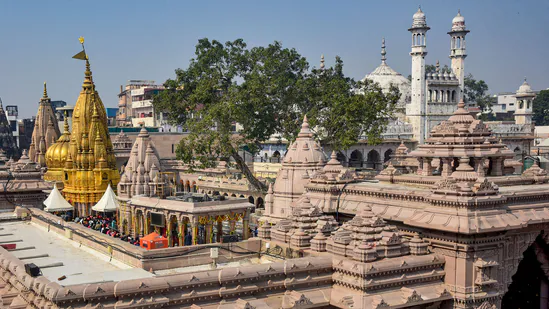
The Gyanvapi case in Varanasi revolves around Hindu claims that the mosque was built after the destruction of a pre-Mughal Kashi Vishwanath temple. The dispute has sparked legal battles over the application of the 1991 Places of Worship Act, which governs the rights of religious communities to their places of worship. Muslim parties, led by the Anjuman Intezamia Masjid Committee, maintain that the structure is protected under the law, citing historical evidence to support their stance.
In Mathura, the Sri Krishna Janmabhoomi-Shahi Eidgah dispute centers on the claim that the Shahi Eidgah mosque occupies land connected to Lord Krishna’s birthplace. Hindu organizations argue that a 1968 agreement between the temple trust and the mosque committee is legally invalid, while Muslim stakeholders defend the agreement as a valid resolution. The Sambhal Jama Masjid case, on the other hand, emerged from a court order to survey the Mughal-era mosque, following a claim that a Harihar temple once existed there. The conflict escalated into violence in November last year, with several casualties reported, further complicating the legal landscape.
Impact on Judicial Proceedings
The rejection of mediation has placed the Gyanvapi, Mathura, and Sambhal cases squarely back in the Supreme Court’s hands. The court now faces the challenge of adjudicating these disputes, which have drawn national attention for their religious and social implications. Legal experts warn that the outcome of these cases could set important precedents on the balance between religious rights and statutory frameworks. For the litigants, the decision to reject mediation signals a commitment to securing a definitive legal resolution, even at the cost of prolonged litigation.
“The Supreme Court’s mediation offer was a strategic move to expedite resolution, but the litigants prioritized the need for judicial clarity over expedience,” said a constitutional law professor. The cases now require a deeper examination of historical records, religious claims, and the legal principles underpinning ownership disputes. As the court prepares to hear arguments, the focus remains on the constitutional rights of both Hindu and Muslim communities, with the potential to influence future religious conflicts across the country.
The mediation initiative, while well-intentioned, has been perceived by the litigants as a superficial attempt to resolve deeply rooted issues. The Gyanvapi, Mathura, and Sambhal cases represent a broader challenge to the interpretation of religious rights in India, where historical claims and legal statutes often intersect. With their rejection of mediation, the parties have set the stage for a prolonged legal battle, one that may redefine the relationship between religious communities and the judiciary. The Supreme Court’s upcoming hearings will be closely watched, not only for their legal implications but also as a reflection of the ongoing tensions between faiths in the nation’s socio-political fabric.