
Woman says Mumbai feels safe even at 12:30 am: ‘Now I understand why it is called the Dream City’
Woman Says Mumbai Feels Safe Even at 12:30 AM
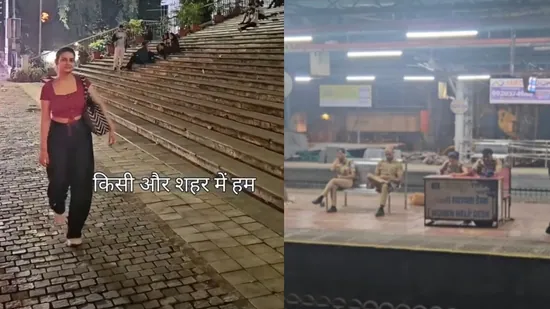
Bharatmorningnews.com – A Mumbai-based woman’s recent social media post has ignited discussions about the city’s evolving night safety, with her comment that “Woman says Mumbai feels safe even at 12:30 am” resonating widely. Shared on Instagram, the video captures her experience at Marine Lines station around midnight, showcasing how public spaces remain secure and bustling despite the late hour. Her message highlights a growing perception that Mumbai, often dubbed the “Dream City,” has become a haven for women navigating urban environments after dark.
The Changing Perception of Mumbai’s Nighttime Environment
Thakur’s observations emphasize the city’s infrastructure and cultural dynamics, which she believes contribute to a sense of safety. She points out the visible police presence and the continued flow of passengers on local trains, contrasting with the hesitancy seen in other major cities. This has sparked debates about how Mumbai’s unique blend of urban vitality and safety measures has transformed the nighttime experience for its residents.
“It’s 12:30 at night right now, and I’m at the Marine Lines local station in Mumbai. You can see the police officers standing guard. It’s unusual, yet I don’t feel threatened. Women are moving about freely, and the train is filled with passengers even past midnight. In other cities, we’d likely cover our faces with a dupatta for safety. Now I see why this place is called the ‘Dream City.’ You can chase your dreams with open eyes, day or night, without fear.”
Community Voices and Social Media Trends
The video has generated a wave of positive responses, with users praising Mumbai’s public spaces as a testament to its safety. One user remarked, “This is why Mumbai isn’t just a city—it’s an emotion,” while another highlighted, “Women traveling safely after midnight define Mumbai’s special charm.” Several comments also noted the packed local trains, which they described as fostering both connectivity and a feeling of security. These reactions underscore the growing confidence women feel in the city’s nighttime environment.
Additionally, the post has been shared across platforms, drawing attention to how urban safety is increasingly tied to a city’s reputation. Some users have compared Mumbai’s safety to other metropolitan areas, emphasizing the role of street lighting, police patrols, and a culture of awareness. Others have called for continued efforts to maintain this atmosphere, especially as Mumbai’s population and urbanization grow.
Context and Cultural Significance of Mumbai’s Safety Narrative
Mumbai’s reputation as a “Dream City” has long been associated with its economic opportunities and vibrant culture. However, the safety narrative adds a new dimension to this identity. Thakur’s video reflects a shift in how the city is perceived, with many users attributing its safety to a combination of proactive policing, well-lit streets, and a sense of communal responsibility. This has led to renewed discussions about the factors that make Mumbai stand out in terms of urban security.
Moreover, the trend highlights the importance of social media in shaping public perception. As more women share their experiences, the collective narrative around Mumbai’s safety continues to evolve. Experts suggest that the city’s late-night activity, from street vendors to night markets, contributes to an environment where people feel more visible and protected. This dynamic is seen as a key reason why “Woman says Mumbai feels safe” has become a recurring theme in online conversations.
Author Insights and Editorial Context
Mahipal Singh Chouhan, a Senior Content Producer at Hindustan Times Digital, identifies stories that reflect everyday life and internet conversations. His work on trending topics, including safety in public spaces, aims to present viral content in a structured and engaging way. By curating such narratives, he bridges the gap between digital trends and traditional news, offering readers a clearer perspective on societal shifts.
Thakur’s post exemplifies how digital platforms can amplify individual experiences into broader trends. As part of HT.com’s efforts to highlight stories that resonate with diverse audiences, the article underscores the role of user-generated content in shaping urban discourse. The emphasis on safety and confidence aligns with the city’s image as a place where aspirations are realized, even late at night.