
Why is Ambubachi Mela known as the Mahakumbh of Tantra? 6 myths this sacred festival breaks about Tantra
Ambubachi Mela: The Mahakumbh of Tantra – 6 Myths Debunked
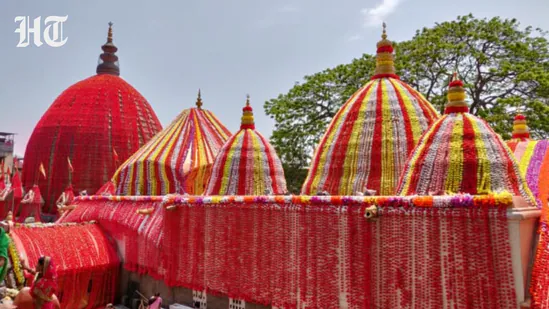
Bharatmorningnews.com – Ambubachi Mela, held annually in Guwahati, Assam, is widely regarded as the Mahakumbh of Tantra. This vibrant festival, which takes place from June 22 to June 26 in 2026, draws thousands of devotees and spiritual seekers to Kamakhya Temple, where the worship of Maa Kamakhya, the goddess of Shaktism, reaches its zenith. The event not only celebrates the divine feminine but also challenges long-held misconceptions about Tantra, offering a deeper understanding of its role in spiritual evolution.
The Mahakumbh of Tantra: A Sacred Convergence
Why is Ambubachi Mela known as the Mahakumbh of Tantra? The term “Mahakumbh” evokes the grandeur of the Kumbh Mela, a major Hindu pilgrimage. Ambubachi Mela mirrors this significance by gathering an unparalleled assembly of tantric scholars, practitioners, and devotees. It is during these five days that the sacred rituals of Tantra are performed with fervor, emphasizing the connection between human energy and the cosmic forces. The festival’s timing, aligned with the goddess’s annual menstruation, underscores its role as a symbolic rebirth of spiritual energy.
“Ambubachi Mela is known for its unique ability to bridge ancient tantric wisdom with modern spiritual seekers,” says Sidhharrth S Kumaar, a researcher at NumroVani. “It’s not just a celebration but a transformative experience that redefines how we perceive Tantra.”
Roots in Sanatan Dharma and Timeless Teachings
Tantra, often misunderstood as a purely esoteric tradition, has its roots deeply embedded in Sanatan Dharma. Ambubachi Mela, with its emphasis on Shakti worship, showcases Tantra’s integration into the broader spiritual fabric of India. The festival’s rituals, such as the “Ambubachi Puja” and the “Gandharva Mahotsava,” reflect the tantric belief in the unity of matter and spirit. By participating in these ceremonies, devotees engage with teachings that have transcended centuries, offering insights into energy, consciousness, and cosmic balance.
Myth 1: Tantra Is Only About Sex
A common misconception is that Tantra revolves solely around sexual practices. While sexual energy is a key element in some tantric schools, it represents only a part of the tradition’s vast teachings. Ambubachi Mela highlights this by focusing on the goddess’s divine power, which extends beyond physical intimacy to encompass creation, transformation, and spiritual awakening. The festival serves as a reminder that Tantra’s essence lies in harmonizing the body, mind, and soul, not in reducing it to a single aspect.
Myth 2: It’s a Secrecy-Laden Practice
Another myth is that Tantra is an exclusive, secretive discipline. In reality, Ambubachi Mela is a public event that invites participation from all walks of life. Families, women, and young seekers join monks and sages in rituals that are both accessible and profound. The open-air atmosphere of the festival, combined with its historical roots, demonstrates that Tantra is not confined to elites but is a living tradition that adapts to contemporary needs.
Myth 3: It’s a Single, Uniform Tradition
While the term “Tantra” is often used as a singular concept, Ambubachi Mela reveals its diversity. The festival showcases a range of tantric practices, from mantra chanting to yoga, each rooted in different philosophical schools. This multiplicity allows devotees to explore various paths to spiritual growth, emphasizing that Tantra is not a one-size-fits-all system but a flexible tradition that caters to individual seekers. The event’s inclusivity further breaks the myth of Tantra being an esoteric or rigid discipline.
Myth 4: The Festival Is Only for Religious Devotees
Why is Ambubachi Mela known for attracting a diverse crowd? The festival transcends religious boundaries, drawing people from different faiths and spiritual backgrounds. This is because Tantra’s principles resonate with universal themes of energy, consciousness, and transformation. The blending of traditional rituals with modern interpretations at Ambubachi Mela ensures that its relevance is not limited to ancient practitioners but extends to contemporary audiences seeking holistic growth.
Myth 5: It’s a Seasonal Occasion Without Depth
Some view Ambubachi Mela as a mere seasonal event, but its depth runs far beyond the surface. The festival is a platform for spiritual discourse, where experts and devotees engage in dialogues that explore Tantra’s ancient texts and practices. These discussions, held in open forums and private gatherings, contribute to the festival’s reputation as a Mahakumbh of Tantra. By fostering a culture of learning and reflection, Ambubachi Mela ensures that its legacy continues to evolve while staying rooted in tradition.
Myth 6: The Rituals Are Superficial Acts
Finally, the notion that the rituals at Ambubachi Mela are superficial is challenged by the festival’s enduring impact. From the offering of flowers to the chanting of mantras, each act is imbued with symbolic meaning. The natural setting of the event, amidst the monsoon rains, further reinforces Tantra’s philosophy that nature and spirituality are intertwined. These elements collectively affirm that Ambubachi Mela is not just a celebration but a profound journey into the heart of tantric wisdom.
By addressing these myths, Ambubachi Mela reinforces its role as the Mahakumbh of Tantra. It invites a broader audience to engage with the tradition, celebrating its richness and adaptability. Whether through ancient rituals or modern interpretations, the festival remains a testament to the enduring power of Tantra in shaping spiritual consciousness.