
Rainbow filter: Queer romance novels are giving us all hope
Rainbow Filter: Queer Romance Novels Are Giving Us All Hope
The Changing Landscape of Queer Love Stories
Bharatmorningnews.com – When a romance novel is labeled ‘queer,’ readers anticipate certain elements. Rahul Singh, a 29-year-old Kolkata-based sociologist and author, notes that people often expect a coming-out narrative and a journey through identity struggles. Yet, the essence of queer life extends beyond these familiar tropes.
“Let’s be real. It’s still difficult to be a queer person, especially in India,” Singh explains. “But while those are important stories to tell, the experience of being queer is so much more.”
Modern novels are increasingly highlighting the beauty of queer relationships. These stories now focus on families that embrace their children, friends who offer steadfast support, and characters navigating self-love. As Singh observes, “The love story really is about who they are becoming.”
Breaking the Traditional Narrative
Indian queer writing has long been dominated by raw, unflinching non-fiction. Yaarana: Gay Writing From South Asia (1999), edited by poet Hoshang Merchant, was one of the first efforts to give the community a literary voice. A decade later, Yoda Press published Because I Have a Voice: Queer Politics in India (2005), further solidifying this genre’s place in literature.
Recent works like Sachin Kundalkar’s Cobalt Blue (2013) and Saikat Majumdar’s The Remains of the Body (2024) explored unrequited desire and internalised shame. Now, a new wave of novels is shifting focus to heartwarming portrayals of queer love. Farhad J Dadyburjor, author of Queerly Beloved (2026), notes this evolution. “Readers now seek narratives where queer characters achieve positive outcomes.”
Themes of Self-Discovery and Family Acceptance
Rahul Singh’s Unfolding (2026) features two intersecting tales set in Kolkata: Ralph’s and Ojas’s relationship, alongside the marriage of their house help Zubina and her husband Adil. Here, Zubina’s affection for the couple inspires her own journey of self-acceptance. “We don’t often show queer people just existing in a domestic setting – how they live, love, argue and make up,” Singh adds.
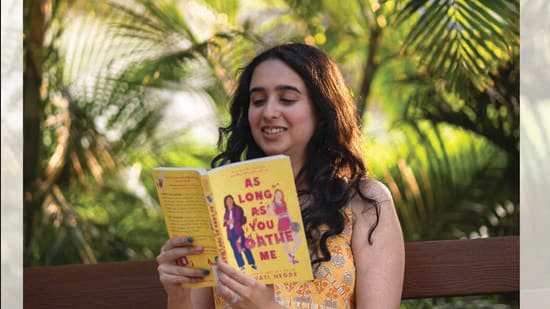
Swati Hegde’s As Long as You Loathe Me (2026), set in California, explores self-awareness through its characters. Meera, raised by two loving gay dads, and Lucy, shaped by her straight parents’ divorce, struggle with their feelings. Hegde, 30, draws from her own life as a bisexual individual. “We have too many stories of families who cast out their kids when they come out. I wanted to show that some parents are willing to show up for their children no matter what.”
Reimagining Love Beyond Binary Expectations
India’s latest queer romantic fiction doesn’t fixate on whether couples will unite. Instead, it delves into how characters cultivate relationships with themselves. In Unfolding, Ralph battles loneliness and grief from his mother’s death, while Ojas questions his commitment to a relationship. “Millennial men haven’t been taught to be vocal about their inner conflicts,” Singh says.
Meanwhile, Dadyburjor’s Queerly Beloved (2026) and his 2021 novel The Other Man both celebrate family dynamics. Ved’s mother, Dollyji, embodies the typical Indian parent’s hope for a good match. Yet, when she learns her son is gay, she becomes a vocal supporter, eager to host a grand celebration. “It’s important to show that kind of approval because we need to feel hope,” Dadyburjor emphasizes. “Queer people need to see stories in which they aren’t choosing between expressing themselves or being on good terms with their family. It’s possible to have both.”