
French President Emmanuel Macron and Japanese Prime Minister Sanae Takaichi recreate the Dragon Ball pose
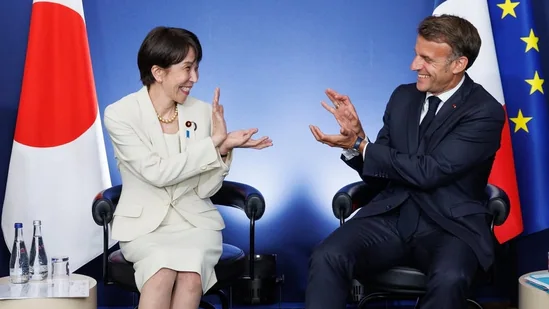
Macron and Takaichi Recreate Dragon Ball Pose at G7 Summit
Bharatmorningnews.com – During the recent G7 Summit in Evian, France, French President Emmanuel Macron and Japanese Prime Minister Sanae Takaichi made headlines with an unexpected display of camaraderie. The pair, known for their diplomatic exchanges, surprised attendees by striking the iconic “Kamehameha” pose from the popular Dragon Ball anime. This playful moment, captured on social media and shared widely, highlighted the blend of culture and politics in international relations. The gesture not only amused onlookers but also underscored the informal yet meaningful interactions between leaders from diverse backgrounds.
The Cultural Connection Behind the Pose
The “Kamehameha” pose, a signature move in the Dragon Ball series, has become a global symbol of power and unity. Macron and Takaichi’s recreation of it during the summit drew attention to the shared cultural touchpoints between France and Japan. While the anime is a Japanese creation, its global fanbase has made it a universal reference point. This incident reflects how pop culture can transcend borders and become a tool for soft diplomacy. By incorporating a well-known icon from Japanese media, Macron subtly acknowledged the cultural influence that shapes international perceptions, while Takaichi’s choice to mirror the pose showcased a personal connection to the franchise.
Historical Context of the Diplomatic Encounter
The pose’s significance was amplified by its earlier appearance during a meeting between Macron and Takaichi in Tokyo. At that time, the Japanese leader had demonstrated the stance to the French president, sparking a lighthearted moment that symbolized a shift toward more approachable diplomatic norms. This informal exchange contrasted with the formalities of traditional summits, illustrating a trend of leaders using humor and shared interests to build rapport. The recurring use of the Dragon Ball pose in their interactions suggests a deliberate effort to humanize their relationship, making it more relatable to the public and fostering a sense of unity beyond official negotiations.
As the G7 Summit unfolded, the moment served as a reminder of the importance of cultural awareness in global diplomacy. Macron and Takaichi’s choice to recreate the pose was not merely for entertainment—it also reflected a strategic approach to connecting with audiences. In an era where public perception plays a critical role in international relations, such gestures can help bridge gaps between nations. The Dragon Ball reference, in particular, resonated with younger audiences who are familiar with the anime’s widespread appeal, creating a shared moment of recognition and engagement.
The viral nature of the photo further emphasized the power of social media in amplifying diplomatic moments. Macron’s Instagram post of the pose quickly gained traction, with users from both France and Japan celebrating the connection. This phenomenon underscores how leaders can leverage digital platforms to communicate their messages in innovative ways. The image became a symbol of the G7 Summit’s more relaxed atmosphere, where humor and creativity were used to ease the tension of high-stakes negotiations. Such moments not only humanize politics but also create memorable associations that can influence public discourse.
Macron and Takaichi’s collaboration on the Dragon Ball pose also sparked discussions about the role of personal interactions in shaping international alliances. While their official agendas focused on economic and environmental issues, the informal gesture highlighted the importance of soft diplomacy and cultural diplomacy in fostering goodwill. This incident served as a reminder that leaders, despite their formal titles, can engage with the world through shared interests and light-hearted moments, reinforcing the idea that international relations are as much about connection as they are about policy.