
How did Jeffrey Epstein die? Ex-cellmate claims sex-offender tried to end his life three times before death
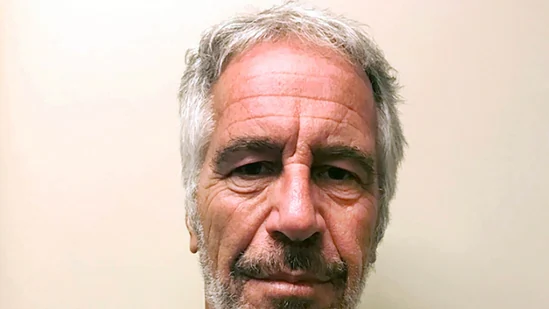
How Did Jeffrey Epstein Die? Ex-Cellmate Claims Three Suicide Attempts Before Death
Bharatmorningnews.com – Jeffrey Epstein’s mysterious demise has sparked renewed interest, with a new report indicating the convicted sex offender allegedly made three suicide attempts in his cell while in custody. The findings, reported by the New York Times, suggest that Epstein had prepared for self-harm multiple times before his death in August 2019. The prison cell, located at the Metropolitan Correctional Center (MCC) in New York, was found to contain several nooses and fabric strips, raising questions about the circumstances of his final act.
Ex-Cellmate Describes Epstein’s Preparation for Self-Harm
Nicholas Tartaglione, an ex-inmate and former NYPD officer, provided key details about Epstein’s mental state and actions leading up to his death. Tartaglione recounted that Epstein had asked him about creating a noose days before his first attempt, indicating a deliberate plan. This occurred shortly after a judge denied Epstein’s bail, leaving him incarcerated for just 13 days at the time.
“He inquired about making a noose, and I showed him how,” Tartaglione explained. “He was clearly planning something.”
According to Tartaglione, he witnessed Epstein preparing for suicide on two separate occasions. One incident involved him tying a bedsheet to a window grate, while another saw him acting strangely in the dark. He discovered a hidden noose beneath Epstein’s mattress and reported both instances to guards, who initially dismissed his concerns. The ex-cellmate’s account adds a layer of detail to the question of how Jeffrey Epstein died, highlighting the possibility of planned self-termination.
Prison Officials and the Investigation into Epstein’s Death
After Epstein’s death, correctional officers initially accused Tartaglione of causing his demise, but an internal investigation later cleared him. This followed the discovery of multiple items in the cell that could be used to form nooses, including linen materials and fabric strips. The report underscores the critical role of the prison environment in how Jeffrey Epstein died, suggesting that the conditions may have contributed to his decision to end his life.
The investigation revealed that Epstein had been in a heightened state of anxiety and uncertainty. His alleged suicide attempts were not isolated incidents but part of a pattern, indicating a possible buildup of stress and despair. While the exact sequence of events remains unclear, the evidence points to a series of deliberate actions aimed at self-harm, further complicating the narrative around how Jeffrey Epstein died.
Background on Epstein’s Crimes and Custody
Jeffrey Epstein, a financier and convicted sex offender, was known for his alleged involvement in child sex trafficking and abuse. His arrest in 2007 led to a series of high-profile cases, with the MCC becoming a central location for his imprisonment. The conditions in the facility, including the limited access to basic necessities, were cited in the report as potential factors in his mental state during the time of how Jeffrey Epstein died.
Epstein’s incarceration was marked by his connection with influential figures and his ability to maintain a certain level of comfort despite the charges. His cellmate, Tartaglione, noted that Epstein had been in a state of constant anxiety, possibly exacerbated by the legal battles and public scrutiny. These elements combined to create a volatile environment, which may have influenced the events leading to how Jeffrey Epstein died.
Public Reaction and Ongoing Debate
The revelation of Epstein’s alleged suicide attempts has ignited public debate about the adequacy of prison conditions and the support provided to inmates. Many argue that the lack of attention to Epstein’s mental health during his time in custody could have been a contributing factor to how Jeffrey Epstein died. The New York Times’ report has fueled discussions about whether the prison system failed to recognize and respond to the signs of impending self-harm.
As the investigation continues, the focus remains on the question of how Jeffrey Epstein died and the factors that led to his final act. The ex-cellmate’s testimony, along with the physical evidence found in the cell, provides a compelling case for the possibility of planned self-infliction. This has prompted calls for a deeper examination of the prison’s role in the events surrounding Epstein’s death.