
Review: Bismillah and Other Stories by Manto, translated by Rakshanda Jalil
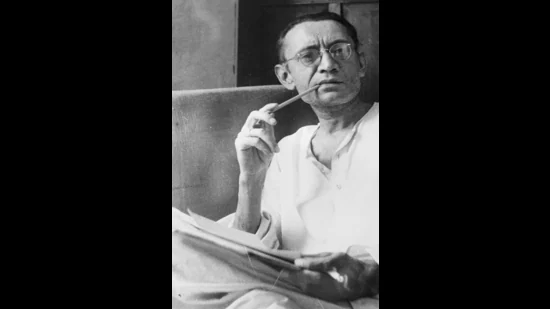
Review: Bismillah and Other Stories by Manto, Translated by Rakshanda Jalil
Bharatmorningnews.com – Review – In this compelling review of Bismillah and Other Stories by Saadat Hasan Manto, translated by Rakshanda Jalil, we delve into the profound literary legacy of one of Urdu’s most incisive writers. Manto, whose sharp narratives often exposed the contradictions of human nature, continues to captivate readers with Jalil’s meticulous English rendition. This collection, offering a fresh perspective on his lesser-known works, is a vital addition to the global discourse surrounding Manto’s oeuvre, underscoring the importance of reviews in preserving and interpreting cultural narratives.
The Human Condition Through Manto’s Lens
Saadat Hasan Manto, born in 1912 and active during the tumultuous years of Partition, is celebrated for his unflinching portrayal of societal fractures. His stories, such as Toba Tek Singh and Babu Gopi Nath, have become staples in literary analysis, but this review highlights the thematic depth of his 25 lesser-known tales. These narratives, often dismissed as mere vignettes, reveal the intricate interplay between personal and political trauma. Manto’s ability to distill existential truths into concise prose remains as powerful today as it was in the 1940s, making his work a cornerstone for any serious review of South Asian literature.
Jalil’s Translation: Bridging Cultures
Rakshanda Jalil, a distinguished translator and literary historian, brings Manto’s voice to an English-speaking audience with remarkable precision. Her work on this collection is a testament to the translator’s role in cultural preservation, ensuring that the nuances of Manto’s Urdu style are not lost. Jalil’s challenge lay in capturing the colloquialisms and layered meanings of pre-Partition Bombay and Lahore, which are integral to the stories’ authenticity. The result is a translation that not only retains the original’s emotional resonance but also enhances its accessibility, making this review an essential guide for readers seeking to understand Manto’s broader contributions.
One of the standout features of this collection is its ability to juxtapose the mundane with the extraordinary. Manto’s stories often unfold in everyday settings, yet they unveil deep-seated moral dilemmas. For instance, in Bismillah, the narrative explores the psychological toll of displacement through a seemingly simple domestic scene. Jalil’s prose, while faithful to Manto’s intent, infuses these tales with a clarity that resonates with modern readers. This review highlights how her translations amplify the urgency of Manto’s themes, offering fresh insights into the enduring relevance of his work.
Partition, a defining moment in South Asian history, is the backdrop for many of Manto’s stories. The devastation of two million lives and the mass displacement of ten million people are not just historical facts but emotional landscapes he masterfully navigates. In this review, we examine how Jalil’s translations preserve the visceral impact of these events, allowing readers to connect with the characters’ struggles. The collection serves as a microcosm of the Partition’s aftermath, where personal grief intertwines with collective memory. Such a review is crucial in contextualizing Manto’s stories within their historical and social frameworks.
“There is more than Thanda Gosht, Khol door Kali shalwar—stories that offended many (including the progressives) on grounds of perversion and obscenity,” Jalil writes. “While