
How turf cracks, neglect ‘smash’ Lucknow’s badminton talent
How Torn Turf and Oversight Threaten Lucknow’s Badminton Prospects
Bharatmorningnews.com – How turf cracks neglect smash Lucknow—India’s badminton capital is witnessing a decline in its sports infrastructure, which is directly impacting the city’s potential for nurturing elite athletes. With three major public venues, including KD Singh ‘Babu’ Stadium, Chowk Stadium, and Vijayant Khand Stadium, falling into disrepair, the once-thriving ecosystem for badminton training is now under threat. These facilities, which have historically served as training grounds for national champions like Syed Modi, are no longer able to provide the consistent, high-quality environment needed to sustain the city’s reputation as a breeding ground for talent.
Structural Deterioration at Key Venues
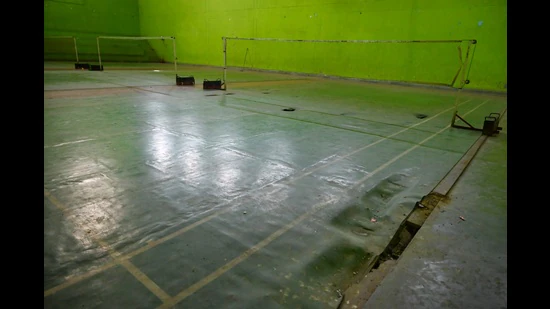
At KD Singh ‘Babu’ Stadium, a stark example of the crisis is evident. The synthetic turf, once the pride of Lucknow’s sports scene, now bears visible cracks and uneven surfaces, increasing the risk of injuries during intense training sessions. Faded court markings further complicate gameplay, forcing coaches to use temporary chalk to define boundaries. The lack of proper maintenance has not only affected player performance but also raised concerns about the long-term viability of the venue as a training hub. As one regional sports officer, Atul Sinha, explained, “We’ve locked the stadium due to poor court conditions. Continuing play here could lead to serious injuries for young players.”
Systemic Neglect and Training Disruptions
Chowk Stadium, located in a lively Lucknow neighborhood, has been suffering from partial renovations for years. Water stains on walls and a musty odor after monsoon seasons indicate persistent leaks and poor ventilation. The venue’s lighting system is unreliable, often flickering during evening drills, which has led to players shortening their training sessions. Additionally, the unsanitary and poorly maintained changing rooms discourage female participation, creating an uneven playing field. At Vijayant Khand Stadium, a newer facility, issues like anti-slip measures and proper planning have left the court fragmented, reducing the playable area and causing frequent minor injuries among local players.
Government-run facilities have become a breeding ground for inefficiency. Staff shortages, erratic maintenance schedules, and unclear booking procedures have disrupted the consistency of training programs. As a result, veteran players dominate early morning slots, while younger athletes are left to train during less optimal hours. A coach noted, “Trainees used to have consistent sessions from 5:30 to 8:30 AM and 4 to 7 PM. Now, they’re forced to practice between 2 PM and 6 PM due to veterans taking up slots in the mornings.” This shift has not only affected the training dynamics but also the morale of aspiring players.
The situation has driven many families to seek private academies, which now number nearly 20 in the city. While these private institutions offer structured programs and better facilities, they come at a steep cost, with monthly fees ranging from ₹3,000 to ₹15,000. In contrast, government venues remain accessible for under-18 players at a mere ₹100 annually. Devendra Kaushal, a former Sports Authority of India instructor, lamented the collapse of formal training systems, stating, “Previously, veterans were barred from interfering with junior training. But now, they’re the priority, and trainees are sidelined.” The imbalance has led to a lack of resources for developing young talent, with many private coaches lacking formal qualifications.
Despite the challenges, there are glimmers of hope. Local communities and sports enthusiasts are pushing for better infrastructure and regular maintenance. Some initiatives aim to restore the stadiums to their former glory, with proposals for upgraded lighting systems, anti-slip surfaces, and improved drainage. However, progress has been slow, and the question remains: will these efforts be enough to prevent the loss of Lucknow’s badminton legacy? With the current state of affairs, it’s clear that the city’s potential for producing top-tier athletes is being undermined by neglect and inadequate investment.