
Mini-secretariats to bring Delhi civic body, DDA and police under one roof
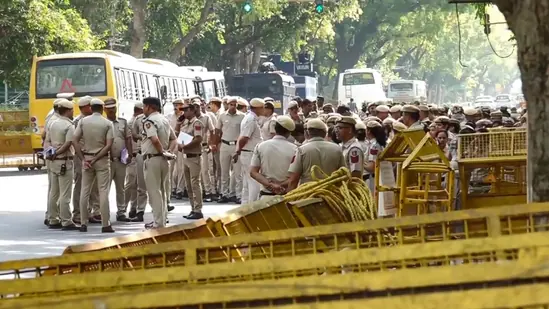
Mini-Secretariats to Streamline Delhi’s Governance and Enhance Public Services
Bharatmorningnews.com – Delhi’s administration is set to implement a transformative restructuring plan, introducing 13 mini-secretariats to consolidate the operations of key municipal and law enforcement bodies under a unified system. This bold initiative, aimed at improving efficiency, was announced by officials as part of a broader effort to modernize the city’s governance structure and ensure seamless coordination between the Delhi Civic Body, Delhi Development Authority (DDA), and Delhi Police. By centralizing decision-making and administrative functions, the mini-secretariats are expected to act as a single-window platform, addressing long-standing challenges of fragmentation and bureaucratic delays that have hindered service delivery in the national capital.
Unified Operations for Greater Accountability
The creation of mini-secretariats marks a pivotal step in Delhi’s administrative reforms, designed to bring together critical departments under a cohesive framework. This move will allow for faster response times to citizen grievances and streamlined processes for urban development projects, such as housing and infrastructure. By integrating the MCD, DDA, and Delhi Police into these hubs, officials hope to reduce redundant paperwork and enhance accountability through direct oversight. The initiative reflects a commitment to making governance more citizen-centric, with the mini-secretariats serving as focal points for public engagement and administrative oversight.
“These mini-secretariats will act as centralized operating units, enabling officials from the MCD, DDA, and Delhi Police to work collaboratively and resolve issues at the grassroots level,” said an official during a recent briefing. “The goal is to create a more responsive system where citizens can access multiple services without having to navigate through separate offices.” This vision aligns with the broader objective of redefining Delhi’s administrative landscape, ensuring that the mini-secretariats become the cornerstone of integrated governance and improved public service accessibility.
Financial Allocation and Operational Strategy
Chief Minister Rekha Gupta has allocated a dedicated ₹100 crore budget to establish and operationalize the 13 district-level mini-secretariats. This financial commitment underscores the government’s prioritization of administrative efficiency, with funds earmarked for infrastructure development, staffing, and technology upgrades. Officials emphasize that the strategy involves not just physical consolidation but also the rationalization of roles and responsibilities, ensuring that each mini-secretariat functions as a self-sufficient unit capable of addressing local concerns comprehensively.
The initiative is being rolled out in phases, with each mini-secretariat expected to serve as a microcosm of Delhi’s restructured governance model. By bringing together civic, development, and law enforcement agencies, these hubs will enable faster decision-making and more transparent communication. For instance, matters related to urban planning, public safety, and municipal services will now be handled in tandem, eliminating silos and fostering a more holistic approach to city management. This shift is anticipated to reduce administrative bottlenecks and improve the overall quality of public services.
Empowering District Magistrates and Local Officials
Delhi’s district magistrates (DMs) are set to gain significant authority under the new framework, with the mini-secretariats granting them expanded powers to manage both civic and law enforcement functions. This includes the ability to initiate disciplinary actions against MCD staff, register FIRs, and oversee leave approvals, effectively creating a more integrated chain of command. The move is expected to empower DMs to act swiftly in addressing local issues, ensuring that governance becomes more adaptable to the needs of each district.
These changes are part of a larger reorganization of Delhi’s administrative districts, which were increased from 11 to 13 last year. The revised structure has laid the groundwork for this initiative, allowing for more localized governance. Officials argue that this reconfiguration will strengthen inter-departmental collaboration, as the mini-secretariats will act as bridges between the central government and citizens. By focusing on decentralized decision-making, the plan aims to improve service delivery while maintaining the oversight of higher authorities.
Benefits and Challenges of the New System
Proponents of the mini-secretariats project highlight its potential to revolutionize the way Delhi is administered. By creating a centralized hub for municipal, developmental, and law enforcement services, the system is expected to reduce the time taken to process applications, resolve disputes, and implement policies. For example, residents can now submit complaints related to sanitation, construction permits, and police reports in a single location, saving time and effort. Additionally, the streamlined approach is projected to cut down on administrative costs, as redundant roles and overlapping responsibilities will be minimized.
However, the transition to this new model will not be without challenges. Officials acknowledge the need for extensive training of staff, the development of standardized procedures, and the integration of digital systems to support smooth operations. There is also a concern about the potential for confusion if the roles of existing departments are not clearly defined. To address these issues, the government has emphasized the importance of clear communication and phased implementation, ensuring that the mini-secretariats function effectively without disrupting daily operations. The success of this initiative will depend on how well these hurdles are managed.
Public Reaction and Future Outlook
The announcement of the mini-secretariats has sparked mixed reactions from the public and stakeholders. While many citizens appreciate the promise of faster service delivery and easier access to government resources, others worry about the potential for increased bureaucracy within the new system. Critics argue that the mini-secretariats might create a more complex hierarchy, with multiple layers of oversight that could slow down decision-making. Nonetheless, officials remain optimistic, stating that the project is a critical step toward a more efficient and citizen-friendly administration.
Looking ahead, the mini-secretariats are expected to serve as a model for other cities in India, showcasing how integrated governance can improve urban management. The initiative also aligns with Delhi’s broader vision of becoming a smarter and more sustainable metropolis. By combining the strengths of the MCD, DDA, and Delhi Police, the new framework will not only enhance administrative efficiency but also foster a more proactive approach to urban development and public safety. As the implementation progresses, the impact on Delhi’s governance and service delivery will be closely monitored to assess its effectiveness.