
‘Don’t quit job in frustration,’ advises entrepreneur who resigned from Google
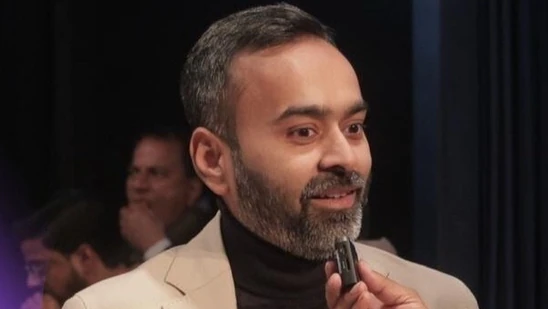
Entrepreneur Advises: Don’t Quit Job in Frustration
Bharatmorningnews.com – When contemplating a career shift, the adage “Don’t quit your job in frustration” holds more weight than ever, according to Rohit Sakunia, a Delhi-based entrepreneur who left Google over a decade ago. His journey from a tech giant to self-employment has become a cautionary tale for professionals on the brink of quitting, offering insights into the pitfalls of impulsive decisions and the value of patience in the face of adversity.
The Perils of Hasty Resignations
Sakunia’s experience underscores how easily the promise of a better opportunity can overshadow the stability of a current role. In a recent Instagram post, he recounted his decision to leave Google, emphasizing that while his departure was a bold move, it was not made on a whim. “Don’t quit your job in frustration, or because a startup narrative captivated you late at night,” he warned, stressing that such choices often stem from emotional reactions rather than strategic planning.
He highlighted the importance of identifying a clear purpose behind leaving a job. “The allure of a new venture can be strong, but without a defined direction, you risk falling into the trap of chasing dreams without a solid foundation,” Sakunia said. This sentiment resonates with many who feel overwhelmed by the pressures of corporate life, particularly when their passion is no longer aligned with their daily tasks.
Financial and Identity Challenges
One of the key lessons from Sakunia’s journey is the necessity of a financial safety net. He recommended setting aside at least six months’ worth of savings—ideally more—before making the leap. “Financial strain is a common companion to career change,” he noted, adding that unexpected expenses can quickly derail a transition. His advice is rooted in the reality that even the most well-intentioned moves require careful budgeting and contingency planning.
Another critical aspect is the shift in self-identity that accompanies quitting a job. Sakunia acknowledged that leaving a stable salary can trigger a sense of uncertainty, especially for those who have built their confidence around their professional roles. “When you step away from a corporate job, you’re not just leaving a position—you’re redefining who you are,” he explained. This transformation, while liberating, demands time and introspection to navigate successfully.
Embracing the Entrepreneurial Mindset
Despite the challenges, Sakunia remains unshaken by his decision. “The ability to structure my schedule and prioritize personal time is a reward I never expected,” he said, reflecting on the freedom his entrepreneurial path has afforded him. He often balances work with family moments, such as attending his son’s cricket practice, which he sees as a vital part of maintaining harmony in his life.
His experience also reveals the reality of slow progress in the startup world. “There are days when the grind feels never-ending, but I’ve learned to embrace the journey rather than focus solely on the destination,” Sakunia shared. This mindset, he argues, is essential for anyone considering a leap of faith. “Don’t quit your job in frustration, but stay committed to the process even when results are delayed.”
How to Avoid Regretful Decisions
For those at a crossroads, Sakunia offers a framework for evaluating their options. He suggests weighing the pros and cons of staying versus leaving, and considering how each choice aligns with long-term goals. “It’s easy to feel trapped in a corporate role, but ask yourself: Will this decision help me grow, or is it driven by temporary dissatisfaction?”
He also advises seeking support from mentors or peers who have navigated similar transitions. “Having a network of experienced individuals can provide perspective and help you avoid the emotional traps of quitting on a whim,” he said. By combining financial preparedness, emotional resilience, and a well-thought-out plan, professionals can make more informed choices about their careers.
Why Frustration Often Leads to Regret
Frustration, while a natural part of the job, can become a catalyst for hasty decisions. Sakunia pointed out that many people quit their jobs after a single setback, only to regret the move later. “Don’t quit your job in frustration unless you have a clear alternative in place,” he cautioned. He encourages individuals to explore their dissatisfaction before taking action, perhaps by seeking internal changes or negotiating terms that better suit their needs.
His advice is particularly relevant in today’s fast-paced work environment, where burnout and unmet expectations are increasingly common. By taking a step back and assessing their motivations, professionals can avoid the pitfalls of quitting without a plan. “It’s not about giving up on your dreams,” Sakunia said. “It’s about ensuring you’re not sacrificing stability for temporary excitement.”
About the Author
Sanya Jain, an Assistant Editor at Hindustan Times Digital, has spent a decade uncovering stories that reflect the complexities of everyday life. Her work spans a wide range of topics, from viral content to human-interest narratives that spark conversation. With expertise in business, pop culture, social media trends, and global affairs, Sanya brings a unique perspective to the stories she curates.
Before joining Hindustan Times, she worked at Moneycontrol for two years and NDTV for five, honing her skills in journalism and storytelling. Holding an undergraduate degree in English literature from St Stephen’s College, Delhi, and a master’s in journalism from Xavier Institute of Communications, Mumbai, she has a talent for identifying emerging trends and crafting compelling angles from viral posts.
Outside of work, Sanya enjoys reading and is passionate about animal welfare. Originally from Lucknow, she has made Delhi her home, often finding solace in the company of her mischievous orange cat during her free time. Her personal experiences and professional insights continue to shape the stories she tells, including those about career transitions and the entrepreneurial spirit.