
Chandigarh: Heritage, green cover, infra load weigh on stakeholders’ minds
Chandigarh: Heritage, green cover, infra load weigh on stakeholders’ minds
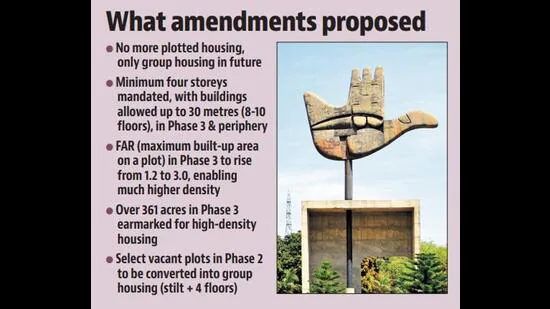
Bharatmorningnews.com – Approximately 60 responses, including objections and recommendations, have been directed to the Chandigarh administration regarding the revised Master Plan 2031. The plan aims to promote high-rise vertical growth, challenging the city’s traditional low-density development model.
Heritage Preservation at Risk
Stakeholders highlighted that heritage conservation is a primary worry. They warned that high-rise construction and intensified density could disrupt Chandigarh’s architectural identity, which was meticulously crafted by French architect Le Corbusier. The city’s planned structure, rooted in modernist principles, faces potential erosion under the proposed changes.
Land Pooling and Ownership Concerns
The proposal to implement land pooling has sparked debates about its practicality. Critics questioned whether the mechanism would maintain existing land rights and prevent unchecked development. Doubts were raised over how this approach might alter established ownership patterns and compromise urban planning coherence.
Core Areas and Original Framework
Multiple submissions stressed the need to safeguard Phase-1 sectors (Sector 1–30, conceived by Le Corbusier) from alterations. Stakeholders argued that changes to the city’s central zones could destabilize its foundational planning philosophy. The integrity of these areas, designed for balanced growth, is seen as crucial to preserving Chandigarh’s unique character.
Infrastructure and Mobility Challenges
Transportation and civic infrastructure have been identified as critical issues. Existing problems such as traffic bottlenecks, insufficient parking, and strained public services are expected to worsen with increased density. Concerns were raised about the city’s ability to handle the additional demands of high-rise expansion without compromising quality of life.
Peripheral Development and Skyline Alteration
Questions emerged about the effects of high-rise projects in outer regions. Stakeholders feared that unchecked construction could reshape Chandigarh’s skyline and encourage informal expansion. This raises fears of losing the city’s planned boundaries and creating fragmented, unplanned neighborhoods.
Environmental Impact and Green Cover
“The proposed amendments could drastically raise population density without confirming if infrastructure can sustain the additional strain,” noted the Chandigarh chapter of INTACH, led by architect Deepika Gandhi. The group stressed the need for comprehensive studies on water supply, sewerage capacity, electricity demand, and environmental effects. Specific risks include deforestation and reduced green spaces, which could harm ecological balance.
Technical Assessments and Public Accountability
Stakeholders called for transparency in technical evaluations. They emphasized that traffic projections, environmental analyses, and infrastructure capacity assessments should be made publicly available. The lack of detailed studies on implementation timelines and financial viability has further fueled skepticism.
Call for Comprehensive Review
The Second Innings Association (SIA), under president RK Garg, urged the withdrawal of the draft notification from May 22 and the May 29 addendum. They argued that the amendments contradict the Master Plan 2031’s core principles, potentially undermining the city’s long-term planning goals. The SIA urged a full review of high-rise provisions and industrial plot fragmentation to ensure alignment with the city’s vision.