
Kenya confirms second Ebola death as cases rise to nine
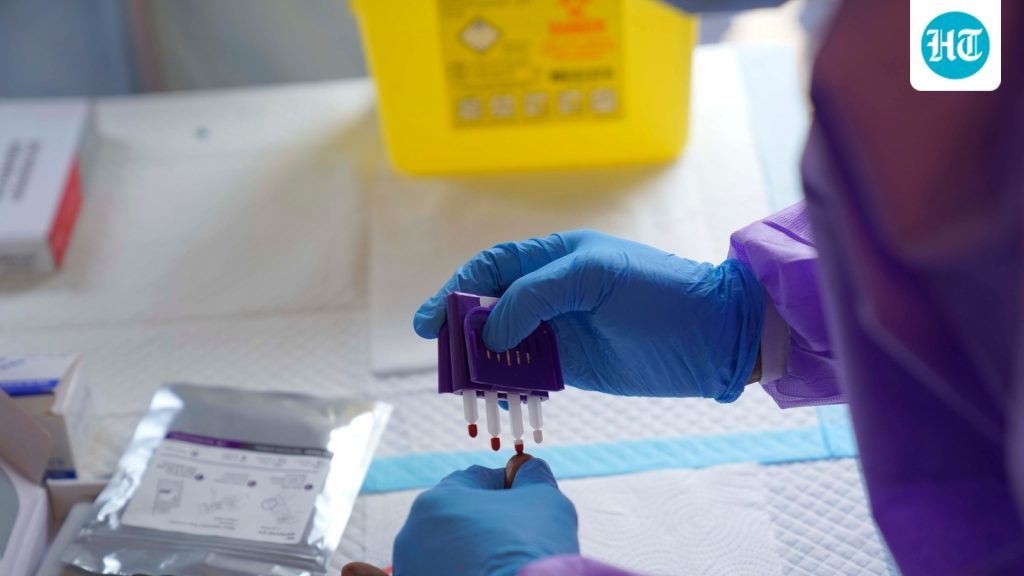
Kenya Records Second Ebola Fatality as Confirmed Infections Reach Nine
Bharatmorningnews.com – Kenya has confirmed a second death from Ebola, raising concern as the country’s total number of identified cases has reached nine. Health authorities said the latest patient, a 65-year-old woman, had been quarantined because of her close connection to the nation’s first confirmed case.
The woman began showing signs of illness on October 13 and was moved to an infectious disease unit that same day. Medical staff provided supportive treatment, but she died later on Friday.
“She was admitted to the infectious disease unit on the same day and had been receiving supportive care from our dedicated medical teams, who did everything possible to save her life. Sadly, she succumbed to the disease early this evening,” the health ministry said.
Officials described her as a direct contact and close family member of the first patient, who had also died. She had remained under quarantine when symptoms appeared on October 13, 2026.
All Confirmed Cases Connected to One Contact Cluster
Of the nine Ebola infections confirmed in Kenya, two patients have died and seven remain under care. The surviving patients are being treated at two isolation facilities.
Health authorities have said every known case is tied to one established group of contacts. At present, there is no indication that the virus has spread more broadly within the community. That distinction is important in an Ebola response: identifying contacts, monitoring their health and quickly isolating anyone who develops symptoms can help limit opportunities for the disease to move beyond a known chain of transmission.
Kenya’s first confirmed patient was a man who had been living in the Democratic Republic of Congo. He died after returning to Kenya. Before October 6, the country had not recorded any Ebola cases.
The outbreak has regional implications because infections have also been reported in Uganda and Nigeria, while the wider outbreak began in the Democratic Republic of Congo. Cross-border movement and rapid information-sharing can be significant factors in containing infectious disease outbreaks, particularly when people may travel before symptoms become severe enough to require treatment.
Public Health Precautions Remain Central
The health ministry has urged residents to follow basic measures designed to reduce the risk of exposure. Ebola is transmitted through direct contact with the blood or other bodily fluids of an infected person, including vomit. The virus may also be passed through contaminated materials such as bedding and clothing.
People have been advised to avoid contact with the blood and body fluids of anyone who may be infected. Regular handwashing with soap and water remains a key protective step. Authorities have also warned against touching the bodies of people who have died following a suspected illness, as contact during burial or handling can create a serious risk of transmission.
Anyone experiencing symptoms should seek medical assistance without delay. Warning signs highlighted by the ministry include fever, weakness, muscle pain, vomiting, diarrhoea and unexplained bleeding. These symptoms can overlap with those caused by other illnesses, but prompt assessment is especially important for individuals who may have been exposed to an infected person.
Kenya has made a free public helpline available on 719. Residents may also use the WhatsApp chatbot at 0700 719 719 for guidance and information.
Why Early Reporting Matters
Ebola does not spread through casual airborne contact in the way some respiratory illnesses do. Its transmission is closely associated with direct exposure to infectious fluids or contaminated objects. That means practical steps such as isolating patients, using protective equipment, tracing close contacts and ensuring safe care practices can have an outsized role in controlling an outbreak.
For families and communities, the advice to report symptoms early is not only a matter of individual treatment. Early medical care allows health teams to assess possible exposure, provide supportive treatment and take precautions that protect relatives, caregivers and healthcare workers.
The Democratic Republic of Congo outbreak has been especially devastating, with at least 4,000 deaths recorded since May. Kenya’s health response is therefore focused on preventing the known cluster from developing into wider local transmission.
With nine confirmed cases currently linked to known contacts, the immediate priority remains careful monitoring, treatment for those already isolated and public cooperation with health guidance. Residents are being encouraged to rely on official health channels, take symptoms seriously and avoid actions that could expose others to bodily fluids or contaminated belongings.
Related Reading
Frequently Asked Questions
What is Kenya confirms second Ebola death as cases?
Kenya confirms second Ebola death as cases is the main topic of this guide. The article explains the context, practical details, and next steps readers should understand.
Why does Kenya confirms second Ebola death as cases matter?
Kenya confirms second Ebola death as cases matters because readers are looking for a useful answer, not just a short summary. Good content should match search intent and help them decide what to do next.