
7 luggage myths I stopped believing after years of travelling across multiple destinations and transport options
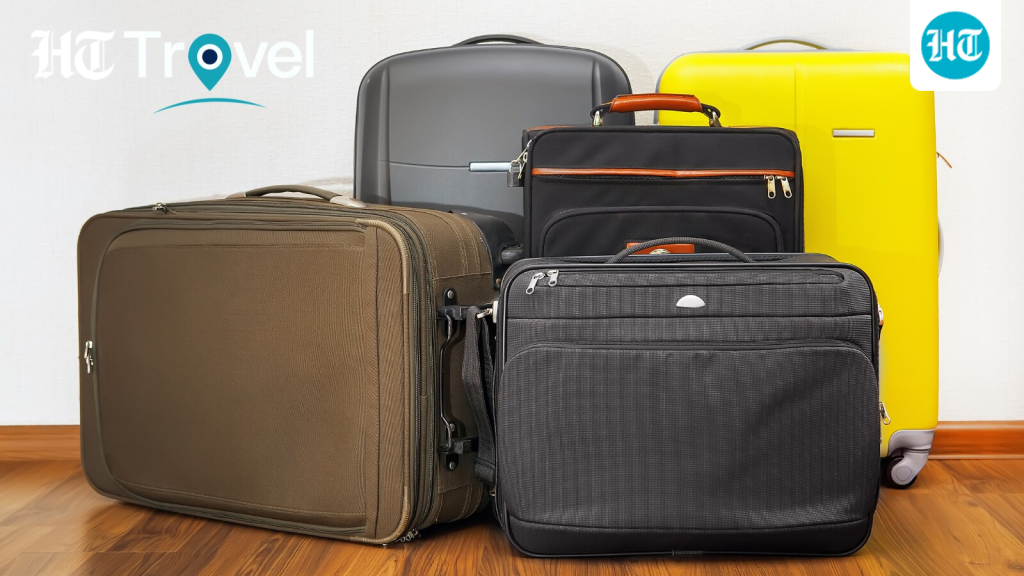
Rethinking the luggage rules that shape how we travel
Bharatmorningnews.com – Choosing luggage often begins with a checklist: capacity, shell material, wheel count, compartments and weight. Those features are useful, but they rarely reveal how a bag will perform when it is packed, lifted, rolled across a station platform or taken through a busy airport. Real travel tends to expose the difference between a suitcase that looks ideal online and one that actually suits the journey.
After enough trips, certain assumptions about bags become harder to accept at face value. A large case is not always the practical choice, a lighter design may not feel easier to manage, and a duffle bag can be both helpful and tiring depending on the route. The best option is often shaped less by marketing specifications and more by airline rules, the amount of walking involved and what is being packed.
A bigger suitcase does not always create better packing
Extra room can be tempting, especially when preparing for a short break. A spacious suitcase seems to offer freedom: room for extra outfits, footwear, toiletries and items that might be useful later. Yet generous capacity can also encourage unnecessary packing.
Airline baggage limits make this especially important. A traveller can leave plenty of unused space in a large case and still exceed the permitted weight because the contents are too heavy. On flights with a 7kg cabin allowance, physical size does not change the rule that matters most at check-in or boarding.
For a brief trip, a moderately sized bag can be useful precisely because it limits overpacking. It creates a natural reason to choose only the clothes and belongings that are genuinely needed. Rather than preparing for every imagined possibility, travellers can pack around the actual length and purpose of the trip.
Hard shell and soft shell bags should not be judged by material alone
It is easy to assume that a hard case will always be heavier than a soft one. In practice, the exterior fabric or shell is only one part of the overall weight. Handles, locks, internal supports, wheel assemblies and retractable trolley systems all contribute. Two suitcases with similar dimensions can therefore produce very different readings on a luggage scale.
The decision is better made around the type of packing involved. A hard-shell suitcase can offer reassurance when carrying electronics or other delicate belongings that need added protection. A soft-sided case can be more convenient when the contents are mainly clothing and some flexibility is useful while packing.
Checking the empty weight remains sensible, particularly for travellers facing strict airline limits. Still, it should be considered alongside construction, comfort and the purpose of the trip rather than treated as the only deciding figure.
A duffle can save weight, but it can also demand more effort
The belief that a duffle is the best choice under a restrictive cabin allowance has a clear basis. A simple fabric duffle may weigh considerably less than a wheeled trolley because it does not include wheels, a pull handle or the hardware required to support them. That saved weight can leave more of the allowance available for clothes and other personal items.
However, the experience changes once the bag is full. A duffle that feels easy to pick up at home may become uncomfortable after a long walk through a terminal, a transfer between platforms or a wait at a gate. Carrying weight on one shoulder or in one hand is very different from moving it on wheels.
For a short trip filled mostly with soft clothing, a light duffle can be a smart and efficient option. For journeys involving long airport walks, several connections or different forms of transport, a wheeled bag may be far more comfortable even if it uses more of the weight allowance.
More wheels do not automatically make a suitcase superior
Spinner-style luggage with four or eight wheels can feel remarkably effortless on smooth airport floors. It can be pushed alongside the traveller rather than dragged behind, which is particularly convenient when carrying another bag, holding a drink or travelling with a child.
That advantage is not universal. Uneven pavements, staircases, crowded public transport and railway platforms can alter the equation. A suitcase that glides neatly across polished terminal flooring may be less convenient when it has to be lifted repeatedly or moved over rough ground.
Additional wheels also add hardware, weight and some internal space requirements. For travellers whose trips largely involve airports, hotels and smooth indoor surfaces, spinner luggage can be an excellent fit. Those who frequently use buses, trains, stairs or uneven streets may find another design just as practical.
Choose luggage for the journey, not just the specification sheet
There is no single suitcase style that works perfectly for every traveller. A compact wheeled case may suit a city break, while a duffle can work well for a quick journey with light clothing. A hard shell may be preferable for fragile contents, and a soft case may offer the flexibility needed for everyday travel items.
The useful question is not simply whether a bag is large, light or fitted with more wheels. It is whether it matches the airline allowance, the distance it will be carried, the surfaces it will cross and the items it needs to protect. Once those details are considered, luggage shopping becomes less about popular assumptions and more about making travel easier from the moment packing begins.
Related Reading
Frequently Asked Questions
What is 7 luggage myths I stopped believing?
7 luggage myths I stopped believing is the main topic of this guide. The article explains the context, practical details, and next steps readers should understand.
Why does 7 luggage myths I stopped believing matter?
7 luggage myths I stopped believing matters because readers are looking for a useful answer, not just a short summary. Good content should match search intent and help them decide what to do next.