
Meet Assamese artist Santanu Hazarika who quit engineering to become a doodle artist and now designs your favourite gaming jerseys, cola campaigns
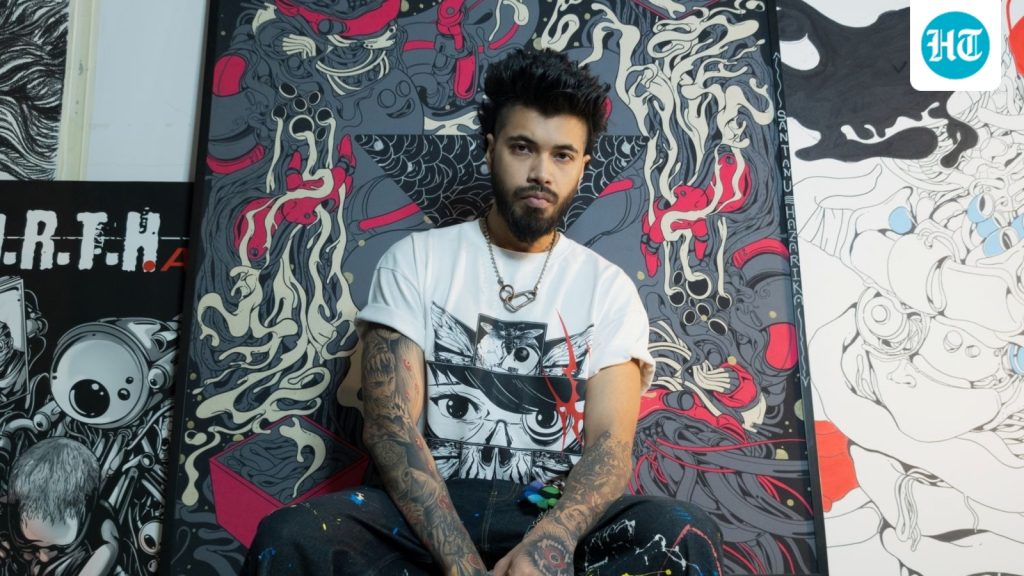
Meet Assamese Artist Santanu Hazarika: From Engineering to Global Design
Bharatmorningnews.com – Meet Assamese artist Santanu Hazarika, whose decision to leave engineering in 2014 and pursue art reshaped his career. Born in Assam, he chose a creative path at a time when artistic professions were often viewed cautiously. His early breakthrough came when he won the first Red Bull World Doodle Art Championship, representing India on an international stage.
That win gave Hazarika the confidence to turn art into a profession, while also challenging familiar expectations about career choices at home. Although he became widely known as a doodle artist, the label describes only one stage of a practice that has expanded across art, design and creative direction.
“The title was sort of like a means to an end; it really helped me get my footing, change my track, and winning the world championship gave me that confidence.”
How Santanu Hazarika Built a Creative Career
Today, Santanu Hazarika works across visual art, fashion, music, brand campaigns, murals and design direction. His projects include visuals for Divine, Seedhe Maut, Raftaar and Nucleya, digital work for Nothing, collaborations with Adobe, and a custom eFootball jersey project for Konami.
His approach allows his visual language to move between very different formats. A mural, sneaker, motorcycle treatment, concert visual or gaming jersey may serve a different purpose, but each becomes a new surface for his ideas. The medium changes, while the creative foundation remains recognisable.
For Hazarika, a distinct style is not about repeating the same image. It is about adapting an artistic identity to the needs of a project. Apparel must function as clothing, music visuals must work with performance, and public art must respond to architecture and scale.
A Self-Taught Education in Art and Design
Meet Assamese artist Santanu Hazarika’s creative journey also shows the value of learning beyond formal institutions. He did not attend art school, instead building his own education through observation, experimentation and sustained curiosity. His influences include Japanese manga, Renaissance art, heavy metal album covers and street graffiti in Guwahati.
He continues to explore new skills, materials and technologies, including AI. That willingness to learn has helped him work across multiple creative categories without losing the core of his process.
“Essentially, it’s the process which defines the outcome. It’s only the technicalities of work that change with different mediums, but the core of it, the essence, and the process more or less remain the same.”
Taking an Assamese Perspective to Wider Audiences
Santanu Hazarika’s work reflects an artist who has carried a perspective shaped by Assam into national and global creative spaces. His career demonstrates that a non-traditional route can lead to work across contemporary art, popular culture, gaming, fashion and commercial design.
More than a story about leaving engineering, his journey is about building confidence through practice. From winning a global doodle championship to directing visual projects in varied industries, Hazarika has continued to expand what his work can be.
FAQ: Santanu Hazarika and His Work
Who is Santanu Hazarika?
Santanu Hazarika is an Assamese visual artist and creative director known initially for doodle art. His work now spans murals, music visuals, fashion, branding, digital art and gaming-related design.
Why did Santanu Hazarika leave engineering?
He left engineering in 2014 to pursue art as a career. His Red Bull World Doodle Art Championship win helped validate that decision and gave him greater confidence to continue in art and design.
What inspires Santanu Hazarika’s visual style?
His influences include Japanese manga, Renaissance art, heavy metal album covers and street graffiti in Guwahati. He combines these references with ongoing experimentation across new media and technologies.
What can aspiring artists in Assam learn from his career?
His path highlights the importance of consistent practice, curiosity and developing a strong process. Formal art-school training can be valuable, but independent learning and experimentation can also help artists build meaningful creative careers.