
Karnataka gearing up to tackle power, water crisis: Shivakumar
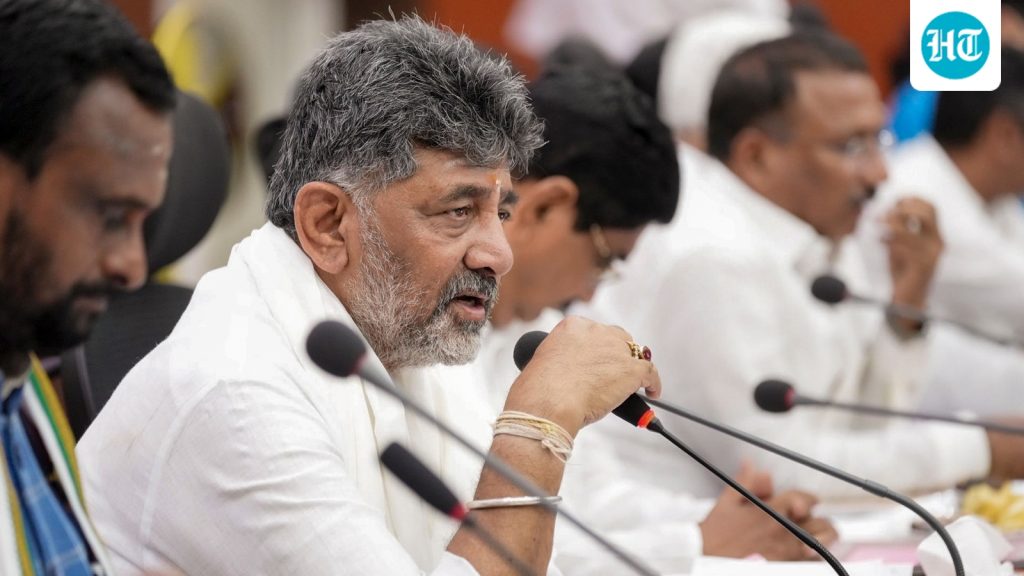
Karnataka prepares for mounting water and electricity pressure
Bharatmorningnews.com – Karnataka is stepping up preparations for a possible water and power crunch as a prolonged rainfall shortfall pushes large parts of the state towards drought conditions. Deputy chief minister D K Shivakumar said on Monday that the government was assessing the impact across 200 of Karnataka’s 239 taluks, where weak monsoon rainfall has affected crops, groundwater and everyday water availability.
The state has already identified 101 taluks as drought-hit. Authorities are now expected to examine the remaining affected areas under central drought-assessment guidelines. The concern is not limited to farm losses: declining groundwater levels are also putting greater strain on drinking-water supplies, particularly as the dry period continues.
September rainfall gap adds to a weak monsoon season
The rainfall deficit has widened sharply in September. Karnataka received about 10 mm of rain during the month against a normal 51 mm, leaving it with an 81% shortfall. The poor September figures follow below-normal precipitation in each of the preceding monsoon months.
In June, the state recorded 116 mm of rainfall compared with the usual 199 mm, a deficit of 42%. July brought 192 mm against a normal 271 mm, representing a 29% gap. August received 169 mm, below the normal 220 mm.
For residents, the effect of a rainfall deficit extends beyond the immediate weather forecast. A poor monsoon can reduce the replenishment of reservoirs and groundwater sources, while also increasing demand for pumping, irrigation and other energy-intensive uses. The government’s focus is therefore likely to remain on protecting essential water needs while keeping the electricity system supplied during periods of high consumption.
Power demand reaches a new peak
Electricity demand has also intensified. Peak usage crossed 19,000 MW last week, requiring Karnataka to purchase power at prices between ₹11 and ₹12 per unit. Shivakumar said rising night-time consumption had contributed to the increase in overall use.
“Total power usage has grown due to increased consumption during night hours,” he said.
Although Karnataka’s generating capacity has improved, the state may need to obtain additional electricity from outside its borders if demand continues to exceed available supply. Such purchases can help maintain service during a shortage, but they come with added supply costs.
“Irrespective of which state generates power, it can be supplied to Karnataka. However, this will have a supply cost. A meeting was held recently with energy minister KJ George and officials about the issue,” Shivakumar said.
The state’s ability to source electricity from elsewhere offers a measure of flexibility, but the higher cost of market purchases underlines the pressure created by sustained demand. The government has held discussions with Energy Minister KJ George and officials as it considers how to manage the situation.
Reservoir levels shape Cauvery water debate
Water storage in key Cauvery basin reservoirs has become central to Karnataka’s response. Deputy chief minister G Parameshwara urged the Cauvery Water Management Authority to reconsider directions concerning water releases, arguing that current reservoir levels require the state to give priority to drinking-water security.
Parameshwara said Kabini dam storage had slipped below 50% of capacity. Harangi dam was also at roughly half its capacity, while Krishnaraja Sagar had reached only around 55% to 60%, lower than the level the government had expected.
“Today, the storage in Kabini dam is already below 50 per cent, while Harangi dam has also fallen to around half of its capacity. Krishnaraja Sagar dam too has not reached the level we had expected and is around 55 to 60%,” he said.
The reservoir figures matter because stored water must meet competing needs. Drinking water remains the most immediate priority when supplies are limited, while agricultural use becomes harder to sustain during a weak monsoon. Karnataka has decided that available water should be conserved for drinking needs rather than used for crops in the present circumstances.
Parameshwara said Karnataka had released water when supplies were sufficient, but maintained that the current storage position demanded caution.
“When the situation is like this, how can we release water? The government has already decided that water should not be used for crops and should instead be conserved for drinking purposes,” he said.
Focus shifts to essential supplies
The combined pressure on water and electricity highlights the broader challenge facing Karnataka as rainfall remains well below seasonal norms. Crop damage, reduced groundwater recharge, reservoir storage and rising energy demand are linked concerns, with each capable of intensifying the impact of the others.
For now, the government’s stated approach centres on drought classification, protection of drinking-water reserves and arrangements to secure extra electricity if necessary. The coming weeks will be significant for both reservoir management and power planning, especially if rainfall does not improve enough to narrow the deficit.
Related Reading
Frequently Asked Questions
What is Karnataka gearing up to tackle power?
Karnataka gearing up to tackle power is the main topic of this guide. The article explains the context, practical details, and next steps readers should understand.
Why does Karnataka gearing up to tackle power matter?
Karnataka gearing up to tackle power matters because readers are looking for a useful answer, not just a short summary. Good content should match search intent and help them decide what to do next.