
Trust in E20 fuel needs transparency
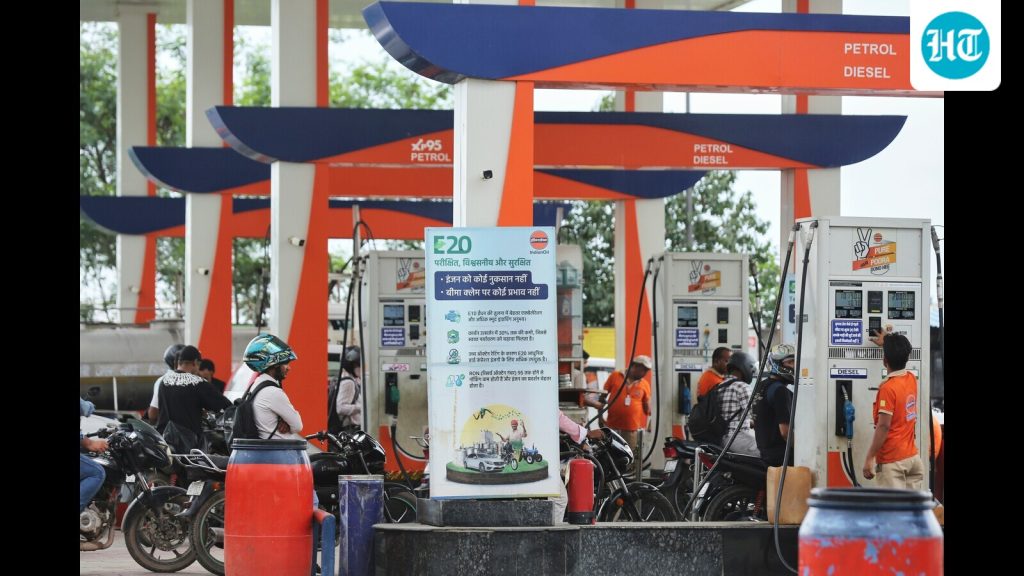
Trust in E20 Fuel Needs Transparency Amidst Growing Concerns
Bharatmorningnews.com – Trust in E20 fuel needs transparency as complaints regarding the mandatory petrol blend continue to surface across India. Since the implementation of E20 at fuel pumps in April, dissatisfaction has been simmering on social media platforms. However, the narrative has shifted from casual grievances to technical scrutiny in recent weeks. This evolution is largely due to two significant letters sent by industry bodies to the government, which have given the disquiet substantial technical weight. These communications highlight critical gaps in how the fuel is tested and stored, suggesting that the current framework may not be robust enough to handle the specific challenges posed by ethanol blending.
The Technical Dispute: Humidity and Contamination
The core of the issue lies in the testing capabilities of the retail chain. On July 24, petrol pump dealers formally wrote to the Centre, pointing out a significant limitation in their operations. They stated that they can currently test dispensed fuel only for density and water paste content. This limitation is crucial because it alludes to an inability to test for humidity, which has become a unique Achilles heel for fuel stocks. Ethanol is hygroscopic, meaning it absorbs moisture from the air, and without proper humidity testing, fuel stocks can spoil before reaching the consumer. This inability to detect humidity poses a risk to the quality of the fuel being sold to millions of drivers nationwide.
Days after the dealers’ letter, the Society of Indian Automobile Manufacturers (SIAM) stepped into the fray. SIAM flagged chloride and moisture contamination as potential threats that could damage vehicle components. This was a serious allegation, suggesting that the contaminants were not just affecting the fuel’s shelf life but also the longevity of the engines themselves. However, the situation became even more complex when SIAM withdrew its letter within hours of it becoming public. The organization cited a need to authenticate the readings, indicating that while the concerns were valid, the data required further verification before being presented as definitive proof of systemic failure.
“The government has answered by pointing to monitoring already in place — monitoring both letters describe as inadequate.”
The government’s response has been to assert that monitoring mechanisms are already in place. Yet, the industry letters describe these existing measures as inadequate for the new realities of E20 fuel. This discrepancy highlights a growing disconnect between policy implementation and on-the-ground technical execution. Critics of ethanol-blended fuel have long centred their arguments on ethanol itself, claiming it drops mileage, saps power, and corrodes internal parts. The new letters make a different, more nuanced case. They argue that ethanol is not the problem; rather, the supply chain from distillation to storage may be introducing contaminants that the current specification does not screen for and the retail chain cannot detect.
Ethanol blending has a strong case on energy security and forex savings, which are vital for the Indian economy. However, these benefits deserve engagement, not deflection. The signals in the two industry communications, even in the context of the withdrawal, are serious enough to warrant a closer look at the programme’s specification and its retail chain. Some of the political framing around E20 is opportunistic, aiming to discredit the initiative for short-term gains. That does not answer the questions the disclosures now raise: whether the E20 specification is adequate for what millions of vehicles are now being asked to run on; whether the retail chain, limited to density and water-paste testing, can catch what the specification does not; and why an industry body wrote a technical letter one day and walked it back the next.
Ultimately, trust in E20 fuel needs to be built on solid technical foundations. The government must ensure that the testing infrastructure at petrol pumps is upgraded to handle humidity and chloride levels effectively. Until then, the uncertainty surrounding fuel quality will persist, affecting consumer confidence. As the nation moves towards greater energy independence, the details of the fuel mix matter as much as the volume of fuel supplied. Transparency in addressing these technical glitches will be key to ensuring that the E20 mission succeeds without compromising vehicle performance or consumer trust.
Frequently Asked Questions
What is the main concern regarding E20 fuel? The main concern is the potential for contamination, specifically humidity and chloride, which can damage vehicle components and spoil fuel stocks due to limitations in current testing methods at petrol pumps.
Why did SIAM withdraw its