
Jaishankar condemns Black Sea attacks in call with Ukrainian counterpart
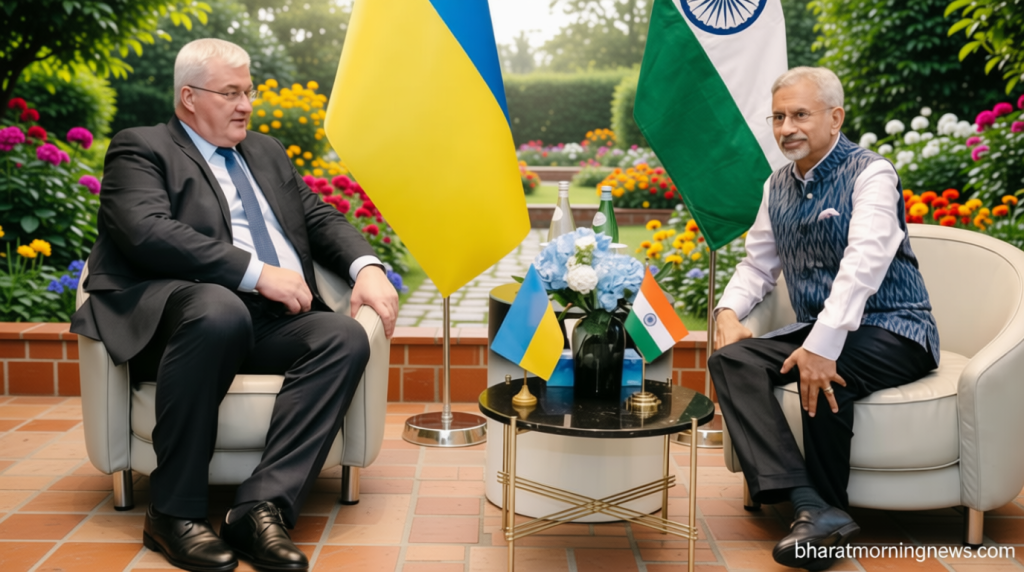
India’s Foreign Minister Addresses Black Sea Maritime Crisis
Bharatmorningnews.com – Jaishankar condemns Black Sea attacks in a significant diplomatic call with his Ukrainian counterpart, marking India’s firm stance on the escalating maritime tensions. External Affairs Minister S Jaishankar held discussions with Andrii Sybiha on Thursday to address the Russia-Ukraine conflict and recent developments in peace negotiations. The conversation highlighted India’s concern over attacks on merchant vessels and Indian seafarers in the Black Sea region, demonstrating New Delhi’s commitment to protecting its citizens abroad.
The diplomatic exchange occurred just days after a series of attacks on foreign-flagged vessels in the Black Sea claimed the lives of five Indian seafarers while leaving two others missing. Additionally, thirteen Indian seafarers remain aboard a foreign-flagged vessel docked in the Ukrainian port of Chornomorsk, which has experienced repeated Russian drone and missile strikes in recent days. This situation underscores the vulnerability of maritime trade routes and the human cost of the ongoing conflict.
Diplomatic Response and Global Implications
Speaking on social media, Jaishankar confirmed that he and Sybiha thoroughly discussed the attacks on commercial shipping and Indian seafarers in the Black Sea. “Such attacks by any party are absolutely unacceptable and India condemns them unequivocally,” he stated, emphasizing India’s clear position on the matter. The minister highlighted the fragility of the current international situation, noting that multiple conflicts across different geographies are simultaneously impacting fuel, fertiliser, and food security, particularly for nations in the Global South.
Jaishankar said Sybiha briefed him on recent developments in the Ukraine conflict and peace negotiations. “India has consistently advocated dialogue and diplomacy between the parties concerned,” he said.
During their conversation, Sybiha expressed appreciation for India’s diplomatic engagement and urged the country to play an active role in peace efforts. He contended that attacks on merchant shipping in the Black Sea represented an extension of Russia’s aggression beyond Ukraine’s borders, with significant implications for global food security. The Ukrainian foreign minister’s comments reflected growing international concern about the broader impact of the conflict on worldwide trade and supply chains.
Sybiha elaborated on his perspective, stating, “I stressed that the consequences of Russian aggression extend far beyond Ukraine’s borders. By attacking civilian vessels in the Black Sea, Russia undermines freedom of navigation and puts global food security at risk. At the same time, its continued war fuels instability in global energy markets, affecting countries far beyond our region.” He reaffirmed Ukraine’s commitment to achieving comprehensive and lasting peace, encouraging India to contribute actively to peace efforts. Both ministers agreed to maintain close contact as the situation evolves.
The diplomatic call also covered the outcomes of Ukrainian President Volodymyr Zelensky’s visit to the United States earlier in the week. This timing was significant, as the phone call came just a day after the Ukrainian embassy in India notified New Delhi about the deteriorating security situation in the Black Sea. The embassy noted that it had not yet received a response from the Indian side regarding a proposed phone conversation between the two foreign ministers to discuss the developing situation.
India, which has maintained a balanced approach without publicly censuring Russia for the invasion of Ukraine, has consistently urged both sides to return to dialogue and diplomacy. The conflict has had profound implications for food, fuel, and fertiliser security, particularly affecting developing nations in the Global South. Ukraine’s leadership has called on India to leverage its special relationship with Russia to provide momentum to the peace process.
Russia has intensified its missile and drone strikes on Ukrainian cities and Black Sea ports in recent days, disrupting the shipment of grains and fertilisers to international markets. These attacks have not only affected Ukraine’s economy but have also created ripple effects across global supply chains. The situation in the Black Sea has become a critical flashpoint, with implications extending well beyond the immediate region.
As the diplomatic efforts continue, Jaishankar condemns Black Sea attacks remains a central theme in India’s foreign policy response. The minister’s engagement with his Ukrainian counterpart demonstrates India’s commitment to multilateral diplomacy and its role as a responsible global actor. With both nations working to strengthen their dialogue, the international community watches closely to see how these efforts might contribute to resolving the broader conflict and ensuring maritime security in the region.