
India calls for de-escalation in West Asia after Iran-Israel tit-for-tat strikes
India Calls for De-Escalation in West Asia Amid Iran-Israel Tensions
Bharatmorningnews.com – India has reiterated its call for de-escalation in West Asia, urging immediate restraint from all parties involved in the recent tit-for-tat strikes between Iran and Israel. The country’s foreign ministry expressed concern over the renewed hostilities, emphasizing the need for dialogue to prevent further escalation. These strikes have reignited fears of a broader regional conflict, with India positioning itself as a mediator in the ongoing tensions.
Escalating Conflict and Diplomatic Response
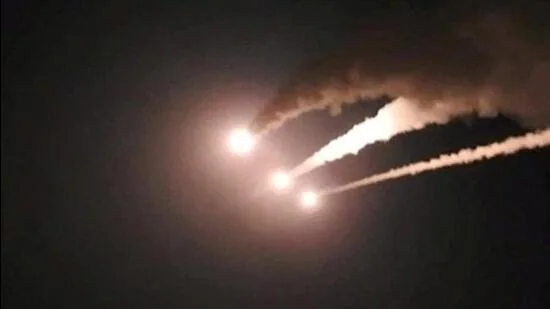
The renewed conflict between Iran and Israel has drawn global attention, particularly after the resumption of military operations in the region. Iran’s missile strikes on northern Israel, followed by Israeli retaliation in Beirut, have marked a significant departure from the previous ceasefire agreement. India’s call for de-escalation comes as a critical step to stabilize the situation, highlighting its role in fostering peace in a volatile geopolitical landscape.
India’s diplomatic stance is rooted in its strategic interests in the Middle East, where it maintains economic and energy ties. The external affairs ministry has stressed that the conflict could disrupt critical trade routes and energy supplies, impacting India’s economy. By advocating for de-escalation, India aims to protect its investments and ensure the safety of its citizens in the region.
Impact on India’s Citizens and Trade
The recent tit-for-tat strikes have raised concerns about the safety of Indian nationals in both Iran and Israel. With approximately 9,000 Indians in Iran and over 40,000 in Israel, the security situation has prompted urgent advisories from Indian embassies. The ministry has urged citizens to remain vigilant and follow local guidelines, reinforcing its commitment to safeguarding their well-being.
India’s call for de-escalation is also tied to its economic interests in the region. The country relies heavily on oil imports from the Middle East, and any prolonged conflict could lead to supply chain disruptions and increased energy costs. Additionally, trade agreements and investments in countries like Iran and Israel are at risk, making India’s diplomatic efforts crucial for maintaining regional stability.
Geopolitical Implications and Regional Alliances
The conflict between Iran and Israel has broader geopolitical implications, affecting the balance of power in the region. India’s mediation role underscores its diplomatic influence, as it seeks to maintain relationships with both nations. The country has historically supported a non-aligned stance, but its recent calls for de-escalation reflect a growing emphasis on regional peace and cooperation.
India’s foreign policy has been shaped by its need to navigate complex relationships in the Middle East. By advocating for de-escalation, the government aims to prevent a situation that could draw it into the conflict. This approach aligns with India’s broader strategy of fostering economic partnerships while maintaining neutrality in regional disputes.
India’s Strategic Role in Mediation
India’s call for de-escalation is not only a response to current tensions but also a strategic move to strengthen its position as a key player in Middle Eastern diplomacy. The government has engaged in dialogues with regional stakeholders, including the United Nations and other countries, to address the crisis. This proactive stance is part of India’s efforts to ensure that its interests are protected while promoting stability in the region.
Through its diplomatic channels, India has been advocating for a peaceful resolution to the conflict. The country’s influence is further bolstered by its role in hosting international discussions and leveraging its economic ties to encourage cooperation. These efforts are expected to play a vital role in de-escalating the situation and preventing a larger escalation of hostilities.
Looking Ahead: A Call for Continued Dialogue
As the situation in West Asia evolves, India has emphasized the importance of sustained dialogue to resolve the conflict. The government has called for all parties to prioritize peace over confrontation, reinforcing its commitment to international cooperation. This message is crucial in a region where tensions have been mounting, and the potential for further violence remains high.
India’s consistent call for de-escalation highlights its dedication to fostering regional stability. By maintaining a balanced approach, the country aims to ensure that its interests are protected while contributing to a broader effort for peace. The outcome of these diplomatic initiatives will be closely watched, as it could set the tone for future relations in the region.