
‘Lied to family, faced lathis here’: Young women at CJP march recount experience, ‘like cockroaches, we’ll return’
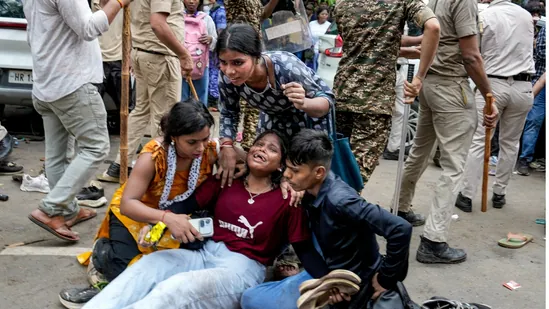
Young Women at CJP March: ‘Lied to Family, Faced Lathis’
Bharatmorningnews.com – The recent demonstration by the Cockroach Janta Party (CJP) drew attention to the challenges young women face when protesting against government actions. Participants, including those from Delhi’s Badarpur, described how they had to conceal their intentions from families before joining the march. One 17-year-old girl recounted her experience, stating, “We lied to family, faced lathis here, and stood our ground.” The rally began at Jantar Mantar, a longstanding hub of public dissent, and concluded at the Parliament, symbolizing the group’s demand for accountability over alleged examination irregularities. With thousands in attendance, the event highlighted the growing frustration among youth who feel their voices are often ignored, despite their willingness to endure physical and emotional hardships.
Participants’ Experiences and Resilience
Many young women who joined the CJP protest shared stories of navigating familial expectations while standing up for their rights. A 17-year-old girl from Delhi’s Badarpur explained how she told her family she was going to school, but instead headed to central Delhi to participate in the march. “We were treated like criminals, dragged by our feet, and beaten with lathis,” she said, displaying hand bruises to journalists. Her account was echoed by others, including a 20-year-old participant from Bihar’s Vaishali, who described her journey from Patna to Delhi alone. “I lied to my family to avoid worrying them,” she said, emphasizing the fear and determination that drove her to the protest site. The group’s resolve was further reinforced by the slogan, “Like cockroaches, we’ll return,” reflecting their belief in the power of persistence.
“They didn’t even come to talk to us during the NEET paper leak controversy. When it’s time for elections, they visit our homes for votes, but here, they treated us like suspects,” said a 27-year-old woman from Pune. She noted how activists had prepared protesters for possible arrests, ensuring they knew their legal rights. Despite the physical toll, the participants remained steadfast, with one declaring, “We are not asking for violence, just a chance to be heard. If they try to suppress us, we’ll come back stronger.” These statements underscore the emotional and physical sacrifices made by the youth to challenge the status quo.
Organizational Strategies and Coordination
The CJP protest was meticulously planned, with women from Bihar, Maharashtra, Uttar Pradesh, and Haryana working together to coordinate logistics. WhatsApp groups served as the primary communication tool, allowing participants to share travel details, meeting points, and strategies for staying safe during the march. A 27-year-old activist named Purva highlighted the importance of these networks, stating, “We all traveled together from Pune on an overnight bus. We used WhatsApp to plan our routes and stay connected in groups, even after arriving in Delhi.” This level of organization demonstrated the group’s ability to mobilize large numbers of people, despite the risks of detention and police confrontation.
Queer and transgender protesters also played a vital role in the movement, creating dedicated communication channels to address their unique concerns. “We had separate groups to ensure everyone felt supported,” said a participant. The collective effort to maintain unity and coordination among diverse groups was a key factor in the protest’s success, with many participants expressing pride in their ability to organize on such a large scale. The use of technology to facilitate communication not only enhanced efficiency but also allowed for real-time updates and strategic adjustments during the march.
Clashes with Security Forces
As the CJP protest reached its peak, tensions escalated with security forces. Tear gas was deployed near Shastri Bhawan to disperse crowds attempting to bypass barricades, while police later began clearing the Jantar Mantar site by dismantling the stage and arresting demonstrators. A 20-year-old participant from Vaishali recounted the chaotic scenes, describing how officers pushed barricades and then turned on the crowd. “I saw a male officer strike a woman who was just trying to carry a flag,” she said. These incidents of physical force, including lathi charges, were met with calm defiance from the protesters, who continued to chant slogans and hold their ground despite the pressure.
“Like cockroaches that survive for millions of years, we will return no matter how they try to crush us,” said Shobha, a protester who marched with her children. Her words resonated with the group, who viewed the police actions as a temporary setback rather than a deterrent. Detainees were reported from multiple locations, including Mandi House, Patel Chowk, and Parliament Street, underscoring the widespread nature of the confrontation. The resilience displayed by the protesters, even in the face of physical assault, highlighted their commitment to peaceful assembly and the right to express dissent.
Broader Implications and Public Response
The CJP march sparked discussions about the treatment of youth in India’s political landscape, particularly their role in demanding transparency and accountability. Participants argued that the government had ignored their calls for dialogue during the NEET exam leak controversy, leading to a sense of disenfranchisement. “We’re not asking for anything extreme, just a conversation,” said one activist. The protest also drew support from the general public, with many expressing solidarity through social media and street art. This broader engagement suggested that the movement had succeeded in amplifying its message beyond the immediate participants.
As the day unfolded, the protest became a symbol of youthful resistance against perceived injustices. Despite the physical toll and the fear of being detained, the participants remained resolute, with many citing the slogan as a source of motivation. “We know they will try to break us, but we’ll keep coming back,” said a 22-year-old from Faridabad. This determination, combined with the strategic coordination of the group, demonstrated a powerful blend of grassroots activism and modern communication. The event not only highlighted the challenges faced by young women in political protests but also showcased their ability to organize and sustain collective action in the face of adversity.