
‘Blood parameters…’: Safdarjung Hospital’s update on Sonam Wangchuk’s health
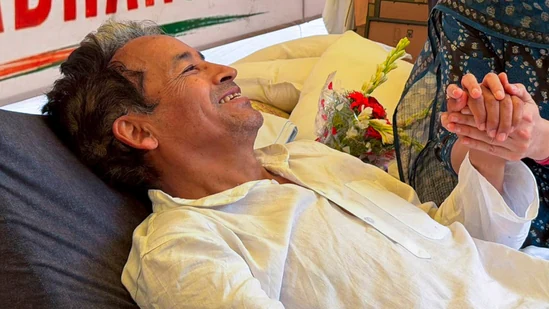
‘Blood parameters…’: Safdarjung Hospital’s Update on Sonam Wangchuk’s Health
Bharatmorningnews.com – Sonam Wangchuk’s health status has been a focal point of public attention following his extended hunger strike at Delhi’s Jantar Mantar. VMMC & Safdarjung Hospital recently released an update regarding his blood parameters, which remain a critical indicator of his overall condition. The hospital confirmed that Wangchuk is under continuous medical supervision, with his vital signs showing stability. However, the report also highlighted the importance of monitoring his blood parameters to ensure no underlying complications arise from his prolonged fast.
Context of the Hunger Strike
The hunger strike, which began over a month ago, was part of a larger protest led by the Cockroach Janata Party (CJP) against perceived injustices in the education sector. The movement gained momentum after Union Education Minister Dharmendra Pradhan faced allegations of misconduct related to the implementation of policies affecting schools and universities. Wangchuk’s participation in the protest was driven by his advocacy for transparency and accountability in the system. His condition deteriorated to the point where he was transferred to Safdarjung Hospital, as reported by Delhi police, to ensure proper medical care.
“The ongoing monitoring of blood parameters is essential to assess the impact of the hunger strike on his health,” said a hospital spokesperson. “The multidisciplinary team is closely evaluating his condition to prevent any deterioration.”
Medical Interventions and Expert Oversight
At Safdarjung Hospital, a team of specialists, including hematologists and nutritionists, is actively engaged in Wangchuk’s treatment. The hospital emphasized that regular blood parameter checks are being conducted to track his levels of hemoglobin, electrolytes, and other vital indicators. These tests are crucial for determining the extent of nutritional deficiency and dehydration caused by the hunger strike. According to the hospital, Wangchuk is receiving intravenous fluids and supplements to support his body’s functions while his blood parameters are monitored closely.
“Blood parameters such as white blood cell count and serum creatinine levels are being analyzed every 12 hours to ensure timely intervention,” the hospital’s bulletin noted. “The team is also assessing his kidney function and liver enzymes as part of the comprehensive evaluation.”
Protest Background and Legal Implications
The CJP’s protests, which began on June 20, were initially sparked by remarks made by Chief Justice of India Surya Kant during a legal hearing. Kant had described some legal professionals as “cockroaches” and “parasites,” a comment that drew criticism and led to the formation of the CJP. Wangchuk, a prominent figure in the movement, has since become a symbol of the struggle for educational reform and political accountability. His health update has added a new dimension to the discourse, with supporters urging the government to prioritize his recovery.
“The Chief Justice’s comments were directed at individuals entering the legal profession with questionable qualifications,” Kant clarified later. “However, the protest movement has since expanded to address broader concerns about systemic corruption.”
Legal Proceedings and Family Concerns
Wangchuk’s wife, Gitanjali Angmo, has raised concerns about his treatment at Safdarjung Hospital. She has filed a petition with the Delhi High Court, arguing that the hospital’s conditions are not optimal for his recovery. The court has scheduled an urgent hearing for Monday, with Chief Justice DK Upadhyaya and Justice Tejas Karia overseeing the case. In a recent special sitting on Sunday, the government defended its decision to keep Wangchuk at the hospital, citing the need for specialized care based on his blood parameters and other medical indicators.
“The government’s rationale is that Safdarjung Hospital provides the necessary infrastructure to monitor and manage blood parameters effectively,” the court’s order stated. “This is critical given the prolonged nature of the hunger strike.”
Public Reaction and Media Coverage
Wangchuk’s health update has sparked widespread debate on social media and in news outlets. Supporters argue that the focus on his blood parameters underscores the severity of his condition and the need for better medical facilities. Meanwhile, critics have called for transparency in the hospital’s treatment protocols. The situation has also highlighted the intersection of political activism and public health, with many emphasizing the importance of adequate medical support for protesters. As of now, Wangchuk’s condition remains stable, but the ongoing scrutiny of his blood parameters continues to be a key point of discussion.
Looking Ahead: What’s Next?
Medical experts at Safdarjung Hospital have stated that Wangchuk’s recovery depends on maintaining stable blood parameters and addressing any emerging health issues. The team is working to ensure his body receives sufficient nutrients and hydration while balancing the demands of his protest activities. Meanwhile, the CJP and its allies are preparing for further demonstrations, with Wangchuk’s health serving as a rallying point for continued advocacy. The Delhi High Court’s decision on his transfer will likely influence the next steps in his treatment and the broader political narrative surrounding the movement. As the situation evolves, updates on his blood parameters will remain central to tracking his progress and public sentiment.