
From sugar to biofuel: How ethanol transformed Maharashtra’s sugar economy
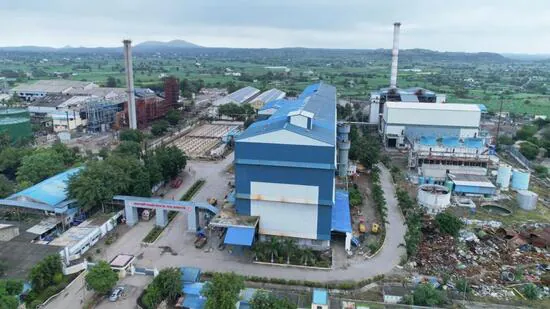
From Sugar to Biofuel: How Ethanol Transformed Maharashtra’s Sugar Economy
Bharatmorningnews.com – From sugar to biofuel, Maharashtra’s sugar industry has become a key player in India’s push for renewable energy. The ethanol-blended petrol program has not only provided a new revenue stream for sugar mills but also revitalized the state’s economy by creating a more stable market for sugarcane and other feedstocks. This transition has helped mitigate the risks of volatile sugar prices and ensured consistent income for farmers, workers, and related industries.
The Evolution of Ethanol in Maharashtra’s Sugar Sector
Once a by-product of sugar manufacturing, ethanol has now emerged as a vital component of Maharashtra’s industrial landscape. The shift from sugar to biofuel has enabled sugar mills to diversify their operations, reducing dependency on traditional sugar exports. With over 210 mills currently active in the state, nearly 150 of them produce ethanol, a testament to its growing importance. This transformation has been particularly pronounced in western Maharashtra, where ethanol production has become a lifeline for struggling mills.
The rise of ethanol production in Maharashtra is closely tied to national policies that prioritize renewable energy. The government’s aggressive support for the Ethanol Blended Petrol (EBP) program has spurred a surge in capacity, with installed ethanol production capacity in the state reaching 400 crore litres. This expansion is not just about energy; it’s a strategic move that aligns the sugar industry with the country’s goal of reducing reliance on imported crude oil. The phrase ‘from sugar to biofuel’ encapsulates this pivot, marking a significant turning point for the sector.
Economic and Environmental Impacts
From sugar to biofuel, the transition has brought substantial economic benefits. Industry leaders highlight that ethanol revenue has stabilized mill