
MP cabinet approves UCC; up to 5-yr jail for married persons in live-in relationships
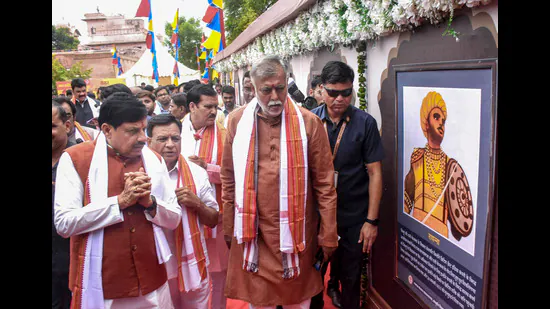
Madhya Pradesh Cabinet Passes Uniform Civil Code, Imposes 5-Year Jail Term for Married Individuals in Live-in Relationships
Bharatmorningnews.com – The Madhya Pradesh cabinet has unanimously approved the Uniform Civil Code (UCC) during a special session in Bhopal’s Jagdishpura. The state government asserted that the legislation will promote equal rights in marriage, inheritance, live-in relationships, and religious freedom.
Scheduled Tribes and Particularly Vulnerable Tribal Groups (PVTGs) residing in protected areas are exempt from the UCC’s provisions.
Under the new framework, a married man engaging in a live-in relationship with another woman after tying the knot may face up to five years in prison. Chief Minister Mohan Yadav highlighted the law’s universal application, stating, “Whether Ram or Rahim, the UCC has been brought to ensure equal rights for all.”
Key Provisions of the Uniform Civil Code
The UCC establishes clear guidelines for marriage, property, and religious practices. It mandates monogamy during a spouse’s lifetime, requiring divorce through legal channels. The minimum age for marriage is set at 21 for men and 18 for women, with registration mandatory at all administrative levels, from panchayats to municipal corporations.
Equal rights for sons and daughters in property and inheritance replace previous rules that granted women only half a share. Couples entering live-in relationships must register within a month, adhering to the same age thresholds as marriage.
Religious freedom is preserved, allowing individuals to practice their rituals, worship methods, and ceremonies without coercion, ensuring no religion is demeaned. The CM clarified that the UCC will not affect Scheduled Tribes and PVTGs in protected areas.
Support and Opposition to the Law
According to the CM, 80% of Muslim women and 40% of Muslim men supported the implementation of a uniform law, with some Muslim leaders arguing that just as Hindu daughters deserve protection, so too should their own sisters and daughters.
The UCC is intended to elevate women’s dignity, eliminate discriminatory practices, and foster social cohesion and national unity. Although the law could have been enacted directly by the Legislative Assembly, the MP government sought input from citizens at both district and state levels.
Chief Minister Yadav also criticized Congress for not participating in all-party meetings to provide feedback on the bill. Leader of Opposition Umang Singhar countered, “BJP is trying to divert much more serious issues like unemployment, farmer struggles, inflation, and others by introducing the UCC.”
Author’s Experience in Reporting
Political & Social Coverage: With over a decade of experience, the author has chronicled the evolving political and social dynamics of Madhya Pradesh, covering politics, investigative journalism, crime, human interest, and government policy. Their work blends sharp insight with on-the-ground depth.
Electoral & Governance Insights: The author has closely tracked three assembly elections, three Lok Sabha elections, and leadership transitions in the state, exposing governance lapses, tender irregularities, and flawed policy rollouts. Reports have highlighted gaps in the Cheetah project, inconsistencies in medical education, and rigging in recruitment exams.
Criminal Reporting: In crime coverage, the author has moved beyond FIRs to uncover systemic patterns, from organized crime networks and gender-based violence to custodial accountability, balancing urgency with sensitivity.
Human Interest Stories: The author’s journalism emphasizes human narratives, profiling marginalized communities like the Bancchda, documenting atrocities against tribal groups, and showcasing efforts to preserve cultural heritage through traditional liquor and spiritual practices.
Field Reporting Highlights: Passionate about on-site reporting, the author has documented issues such as sand mining in Chambal and Narmada, pharmaceutical companies using altered names for medicines, the poor state of educational institutions, and the plight of commercial sex workers. They have also analyzed skewed sex ratios in specific districts.
As HT’s state correspondent and assistant editor, the author engages with ministers, farmers, students, and activists, believing in the power of grassroots perspectives to shape public discourse.