
Tillotama Shome: Quite a few of my films did well abroad, but not in India
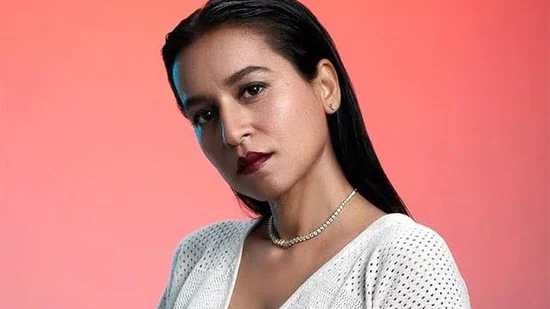
Tillotama Shome: Quite a few of my films did well abroad, but not in India
Bharatmorningnews.com – The abrupt withdrawal of Diljit Dosanjh’s film *Satlaj* (formerly *Punjab ’95*) within 48 hours of its debut has sparked renewed discussions about censorship and the freedom of expression in Indian cinema. This decision has drawn criticism from within the film community, with actors and creators raising concerns over the removal of an officially released movie and supporting its creators. Tillotama Shome, a prominent actor, sees this moment as part of a broader historical pattern that storytellers have navigated across decades.
Censorship and Creative Freedom
Speaking on the topic of artistic constraints, Shome notes, “Censorship imposes limits, and financiers often hesitate to fund projects they believe won’t attract viewers. These challenges are inherent to storytelling and have persisted since the beginning of cinema.” She emphasizes that each era brings unique hurdles, shaping the evolution of narratives in Indian film.
“In every civilization, there has been a dominant voice and an emerging one. The tension between old and new, the push for innovation to replace tradition, is a recurring theme. When the new gains traction, there’s initial enthusiasm, but eventually it solidifies, becomes routine, and paves the way for fresh ideas to emerge.”
The Audience Challenge
Reflecting on her career, Shome highlights that her primary struggle was not censorship, but connecting with audiences in India. Before her work on OTT platforms like *Sir*, *Delhi Crime*, and *Kota Factory* gained traction, many of her films had already achieved critical acclaim and commercial success overseas. “Numerous of my projects thrived in international markets, yet they struggled to find traction domestically,” she explains. “I felt disheartened at the time, believing my work wasn’t recognized here. That shifted when I began collaborating with streaming platforms.”
Adaptation and Industry Evolution
Currently starring in *Ikka*, Shome underscores the inevitability of transformation in the entertainment sector. “I worked on *Monsoon Wedding* using film, but shortly after, the industry transitioned to digital. Some claimed cinema was dying, 25 years ago. I was just 20, and I believed them because people around me kept insisting, ‘Film is over.’”
“Change is constant, and the industry evolves. What was once unthinkable now seems natural, yet the essence of storytelling remains unchanged. People will always seek stories to preserve memories, understand the present, and nurture hope for the future.”