
‘Flying buses soon’: Nitin Gadkari has another big plan, cites ‘plane that lands on water’
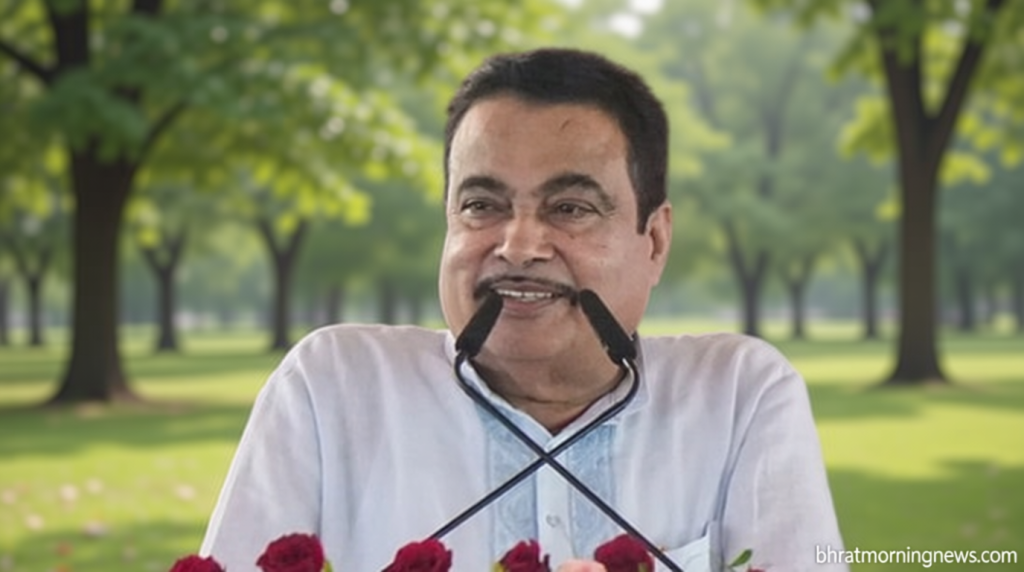
India’s Flying Buses Plan: Nitin Gadkari’s Vision for Aerial Urban Mobility
Bharatmorningnews.com – India is set to take a leap into the skies with the introduction of flying buses, a groundbreaking initiative that could redefine urban transportation. Union Minister Nitin Gadkari, who has been a prominent figure in India’s infrastructure development, recently shared his ambitious plan for aerial transit systems, highlighting a prototype that lands on water as a key example. This move aims to alleviate traffic congestion in densely populated cities and offer a faster, more sustainable alternative to traditional road networks.
Electric Aerial Transport: The Road to the Skies
Gadkari’s vision for flying buses is rooted in the development of an electric mass rapid transport system, which he believes will revolutionize city commutes. During the inauguration of the Lucknow-Kanpur Expressway, he outlined the project’s potential to integrate aerial vehicles with existing road infrastructure, creating a multi-modal transport network. The concept involves using battery-powered, low-speed aircraft—such as electric vertical takeoff and landing (eVTOL) vehicles—to navigate urban airspace, bypassing ground-level bottlenecks and reducing travel time significantly.
“We are already testing seaplanes that operate on water, and I personally flew one in the sea. This is a precursor to the flying buses we aim to introduce soon. Our goal is to create an electric transport system that allows seamless movement across cities,” Gadkari emphasized in a statement, per a PTI report.
Combating Ethanol Controversies with Innovation
As Gadkari pushes forward with his flying buses initiative, he continues to address ongoing debates surrounding E20 petrol, a fuel blend containing 20% ethanol. Critics have raised concerns about its impact on fuel efficiency and vehicle performance, but Gadkari remains steadfast in his defense. He challenged skeptics to provide evidence of any vehicle suffering from E20, asserting that the fuel blend is a viable and necessary step toward reducing India’s reliance on fossil fuels.
“India spends over ₹22 lakh crore annually on fuel imports. E20 is not just an alternative fuel—it’s a strategic move to cut costs and lower emissions. I’ve personally used multiple alternative-fuel vehicles, and they perform just as well as conventional ones,” Gadkari added, according to ANI.
Hydrogen as the Future of Sustainable Mobility
Gadkari has also positioned hydrogen as a cornerstone of India’s future transportation strategy. In addition to promoting E20 petrol, he advocates for hydrogen-powered vehicles, citing their potential to further reduce carbon footprints. The minister emphasized that his ministry is actively exploring hydrogen technologies, which could complement the flying buses plan by offering zero-emission alternatives for both aerial and ground-based transport.
The Path to Implementation: Challenges and Opportunities
While the flying buses concept is promising, Gadkari acknowledges the hurdles ahead. These include developing the necessary infrastructure, such as docking stations, charging systems, and air traffic management protocols. He also highlighted the importance of public acceptance, urging citizens to engage with the technology firsthand. “Flying buses are not just a dream—they’re a reality we’re working toward,” he stated, emphasizing the need for collaboration between government and private sectors to accelerate development.
Experts note that Gadkari’s plan aligns with global trends toward aerial mobility, such as the rise of urban air mobility (UAM) projects in cities like Dubai and Los Angeles. However, India’s unique challenges—such as its vast geography and dense population—present both opportunities and obstacles. The minister’s emphasis on electric and hydrogen-powered solutions suggests a long-term commitment to sustainable urban development, even as the country navigates debates over ethanol blending and fossil fuel dependency.
Transforming Cities: A Vision for the Future
Gadkari’s flying buses plan is part of a broader effort to modernize India’s transportation landscape. By incorporating aerial transit into the national infrastructure, the government aims to create a more resilient and efficient mobility system. This could have far-reaching implications, from reducing traffic-related emissions to improving accessibility in remote or underserved regions.
The minister’s enthusiasm for the project has sparked optimism among transport experts and industry leaders. While the timeline for full implementation remains unclear, the early stages of testing seaplanes and experimenting with electric vehicles signal a proactive approach. As Gadkari continues to champion these initiatives, the focus remains on turning futuristic concepts into practical, scalable solutions for India’s growing urban population.
Also Read: Debate Over E20 Petrol Sparks Legal Action Against Content Creators