
Quantum wars: Redefining future battlespace
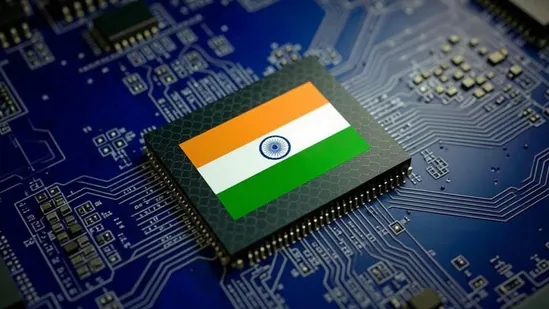
Quantum Wars: Redefining Future Battlespace
Bharatmorningnews.com – Quantum wars are poised to revolutionize the landscape of modern conflict, merging the principles of quantum mechanics with strategic military operations. This new era of warfare is driven by the relentless pursuit of information dominance, where the ability to intercept, process, and exploit data becomes as critical as traditional combat. As nations invest heavily in quantum technology, the battlefield is no longer limited to physical confrontations but extends into the realm of quantum cryptography, computing, and communication. The phrase “quantum wars” encapsulates this shift, highlighting how the next frontier of global power struggles will be defined by quantum advancements. These technologies are not just theoretical concepts; they are already shaping the way militaries prepare for the future, with quantum capabilities being integrated into defense strategies worldwide.
The Evolution of Strategic Information
The foundation of quantum wars lies in the evolution of strategic information, which has always been a cornerstone of military success. From the ancient use of messenger systems to the advent of radio communications, the balance between secrecy and surveillance has continually redefined the rules of engagement. In the 20th century, the development of cryptographic systems like the Enigma machine and the subsequent breakthroughs in code-breaking demonstrated the power of information as a weapon. Today, quantum technology introduces a paradigm shift, enabling adversaries to not only intercept communications but also to decode them with unprecedented speed. This transformation underscores the need for quantum-resistant strategies, as traditional methods of securing data become increasingly vulnerable in a world where quantum computing can break encryption in mere seconds. The essence of quantum wars is thus deeply rooted in the strategic imperative to control information flow and exploit it for tactical advantage.
Quantum Computing’s Revolutionary Edge
Quantum computing represents a monumental leap in processing power, offering capabilities that traditional computers can scarcely match. Unlike classical computers that operate on binary bits (0 or 1), quantum computers use qubits, which can exist in multiple states simultaneously through superposition. Additionally, entanglement allows qubits to be interconnected, enabling rapid data exchange across vast distances. These features position quantum computing as a game-changer in the context of quantum wars, where the speed and efficiency of processing information can dictate the outcome of a conflict. For instance, quantum algorithms could decrypt complex codes in real-time, giving military forces an edge in intelligence gathering. Moreover, the ability to simulate battlefield scenarios at a molecular level allows for precise predictions and optimal decision-making. As nations race to develop quantum technologies, the strategic importance of these systems in quantum wars becomes evident, with their potential to redefine the very fabric of military operations.
The Cryptographic Challenge
At the heart of