
Using AC in the monsoon? Doctors share common health problems linked to prolonged use and how to stay safe
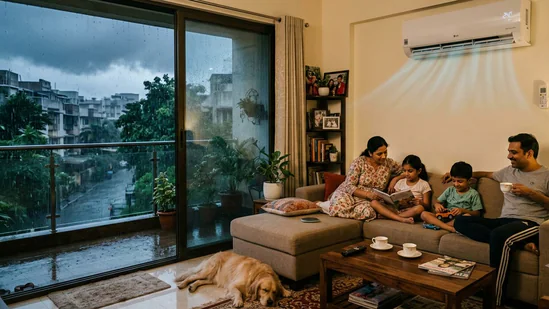
Using AC in the Monsoon: Health Risks and Expert Safety Guidelines
Bharatmorningnews.com – As the monsoon season sweeps across India, the use of air conditioners (ACs) becomes a lifeline for many seeking relief from the oppressive heat and humidity. However, experts warn that prolonged reliance on ACs during this time can introduce a range of health risks. Doctors emphasize the importance of mindful AC usage to avoid common issues while staying comfortable in the wet and warm weather.
Monsoon AC Use and Its Impact on Health
Monsoon season brings not only rain but also challenges like high humidity and stagnant air, which can intensify the effects of AC overuse. According to medical professionals, improper AC settings or neglecting maintenance can create an environment that exacerbates respiratory and skin problems. While ACs help regulate temperature and reduce humidity, their benefits are counteracted when used excessively without attention to indoor air quality.
Common health issues linked to monsoon AC use include dryness of the nasal passages, increased vulnerability to cold-related illnesses, and respiratory discomfort due to airborne allergens. Dr. Murtaza S Bagwala, director of emergency medical services at Saifee Hospital in Mumbai, explains that the monsoon’s moisture can mix with AC-generated dryness, leading to a harsh contrast that irritates the respiratory system. Similarly, Dr. Mahavir Modi, a pulmonologist at Ruby Hall Clinic in Pune, points out that prolonged exposure to cool air can trigger asthma symptoms or worsen chronic lung conditions.
Preventing Health Complications with AC
Experts recommend balancing AC use with natural ventilation to maintain healthy indoor air circulation. Keeping the AC temperature between 24°C and 26°C is ideal, as it prevents overcooling while ensuring comfort. Additionally, regular maintenance of the unit—such as cleaning filters and checking for leaks—is critical to avoid the spread of mold, dust, and bacteria. Dr. Modi highlights that poorly maintained ACs can trap allergens, which are particularly harmful during monsoons when humidity encourages the growth of mildew and fungi.
“Monsoon AC use can create a paradox: while it cools the air, it also dries out the respiratory tract. This can lead to increased susceptibility to infections or even respiratory distress,” warns Dr. Modi.
Hydration also plays a vital role in mitigating AC-related health risks. Dr. Bagwala advises drinking plenty of fluids to counteract the dehydrating effects of cold, dry air. Furthermore, using a humidifier alongside the AC can help maintain moisture levels in the air, reducing dryness and minimizing strain on the skin and mucous membranes. These small adjustments can significantly enhance well-being during the rainy season.
Monsoon AC Safety Practices and Lifestyle Adjustments
To stay safe during the monsoon, it’s essential to combine AC use with other health-conscious habits. Experts suggest opening windows periodically to let in fresh air and reduce the buildup of stale indoor gases. This practice also helps prevent the overuse of AC, which can lead to stiff joints and muscle aches, especially in individuals with arthritis or other chronic conditions.
“Prolonged exposure to cool environments during the monsoon can cause body temperature fluctuations, leading to headaches and fatigue. Letting in natural air can stabilize the body’s equilibrium,” says Dr. Bagwala.
Moreover, dressing in layers and avoiding direct exposure to AC vents can help the body adapt gradually to cooler temperatures. Children and the elderly, who are more susceptible to temperature changes, should be monitored closely. By integrating these strategies, individuals can enjoy the comfort of AC without compromising their health. The monsoon, while challenging, can be managed effectively with mindful practices.
Doctors also recommend monitoring indoor humidity levels, as excessive dryness can weaken the immune system. Maintaining a humidity range of 40-60% can prevent respiratory dryness while reducing the risk of mold growth. Regular AC maintenance, combined with these adjustments, ensures a healthier living environment during the rainy season. As the monsoon continues, staying proactive about AC use is key to avoiding common health pitfalls.
Disclaimer: This article provides general health insights and should not replace professional medical advice. Always consult a healthcare provider for personalized recommendations.