
Tamil Nadu BJP chief Nainar Nagendran alleges ‘house-trading’ in state: ‘It’s true’
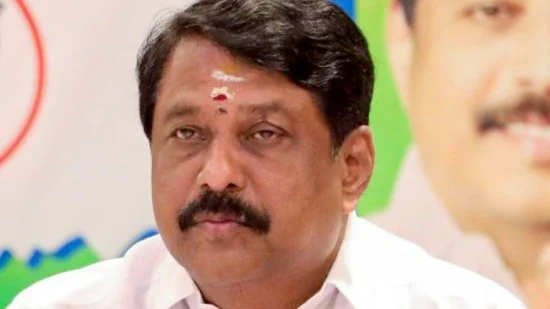
Tamil Nadu BJP Chief Nainar Nagendran Accuses Political System of House Trading
Bharatmorningnews.com – Tamil Nadu BJP chief Nainar Nagendran has accused the state’s political system of engaging in systematic backroom deals to secure the majority for the ruling alliance led by TVK. During a recent press briefing, Nagendran highlighted the growing concerns about covert agreements influencing legislative outcomes, emphasizing that these practices are undermining the integrity of democratic processes in Tamil Nadu. The allegations come as the state grapples with mounting public scrutiny over the effectiveness of its governance and the transparency of its political dealings.
House Trading Allegations Emerge Amid Legislative Tensions
At a press conference held after a meeting with the Dindigul district executive committee, Nagendran stressed that “house trading” is not a new phenomenon but has become increasingly prevalent. He stated, “The individuals orchestrating these deals are not just influencing votes—they are creating an illusion of stability to mask internal weaknesses.” This critique follows recent reports of political pressure being exerted on legislators to shift their support, which Nagendran claims is being done through financial incentives and threats.
Among the recent incidents fueling the controversy is the case of N Elaiyaraja, an MLA from the TVK party, who alleged he was offered ₹35 crore to sway his vote in a key legislative resolution. The claim was made on June 1, prompting police to file a case and detain three suspects, according to official sources. This development has intensified debates about the role of political parties in ensuring fair representation and the mechanisms they use to consolidate power.
“It was not merely horse-trading, but camel-trading that was offered to me. This is a calculated move to push me toward defection,” Radhakrishnan asserted.
Elaiyaraja’s complaint also revealed the involvement of an organization named Indian Political Democratic Strategies (IPDS), which he said approached him to influence decisions. Nagendran pointed out that the alleged transactions are part of a larger strategy to manipulate public perception and consolidate control over critical legislative votes. The BJP leader further drew attention to the recent breakdown in law and order, citing a rape incident in Ranipet that he believes is a result of systemic corruption and negligence.
“A 60-year-old woman was raped by a 23-year-old man under the influence of ganja. The state is now experiencing a breakdown in public safety,” Nagendran remarked.
The allegations have sparked renewed calls for accountability within the political landscape. Nagendran, who has been a prominent figure in Tamil Nadu’s BJP leadership, argues that the current administration’s reliance on such tactics reflects a deeper issue of power consolidation at the expense of public trust. While he acknowledges the importance of the opposition in holding the government to account, he insists that the practices being described go beyond routine political maneuvering and indicate a deliberate effort to distort the democratic process.
Political Pressure and Public Reaction
As the controversy unfolds, the political climate in Tamil Nadu has become more polarized. Nagendran’s claims have been met with mixed reactions, with some members of the ruling alliance defending their actions as necessary for maintaining legislative stability. Others, however, have criticized the ruling party for fostering an environment where legislators feel compelled to engage in corrupt exchanges. Public opinion remains divided, with citizens calling for transparency while also recognizing the challenges of political survival in a competitive state.
The issue of house trading is not new to Tamil Nadu’s political history, but Nagendran’s recent allegations have reignited discussions about its role in shaping the state’s governance. With the upcoming elections on the horizon, the accusation adds a layer of urgency to debates about party loyalty, vote-buying, and the influence of external entities in political decisions. Nagendran’s emphasis on the BJP’s role as a watchdog highlights the importance of an opposition party that is both vocal and accountable in its critique of the ruling government.
Meanwhile, the legal proceedings related to the alleged transactions continue. The Greater Chennai Police Commissioner has been tasked with investigating the case, which could have significant implications for the ruling party’s reputation. Nagendran has called for swift action, stating that the scandal must be addressed to restore faith in the political system. His comments reflect a broader concern about the erosion of democratic norms and the need for stricter oversight in legislative processes.