
Eau de Parfum vs Eau de Toilette: Know which type of fragrance is right for you before your next purchase
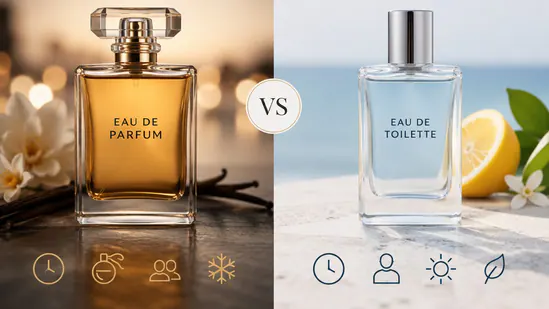
Eau de Parfum vs Eau de Toilette: Choosing the Right Fragrance for Your Needs
Bharatmorningnews.com – When shopping for fragrance, understanding the difference between Eau de Parfum (EDP) and Eau de Toilette (EDT) is crucial. Whether you’re looking for a long-lasting scent or something more subtle, knowing which option suits your preferences can elevate your fragrance experience. This guide breaks down the key distinctions between EDP vs EDT, offering clear insights to help you make the best choice for your next purchase.
Concentration and Longevity: The Core Differences
At the heart of the Eau de Parfum vs Eau de Toilette debate lies the concentration of aromatic compounds. EDP typically contains 15% to 20% fragrance oils, giving it a stronger, more enduring presence on the skin. This makes it ideal for those who want a scent that lingers throughout the day or evening. In contrast, EDT has a lower concentration—usually 5% to 10%—resulting in a lighter, more fleeting aroma that fades within 3 to 5 hours. The disparity in concentration not only affects how long the fragrance lasts but also its intensity and how it interacts with your skin’s chemistry.
While EDP is often favored for formal occasions or as a statement fragrance, EDT remains popular for casual wear or when a fresh, approachable scent is preferred. The richness of EDP can also create a more complex aroma, as it includes a higher proportion of base notes, while EDT tends to focus more on top and middle notes. This distinction is important for those who want to craft a scent profile that matches their personal style or the mood they wish to convey.
Cost and Versatility: Factors to Consider
The price of a fragrance often reflects its concentration and formulation. Because EDP contains more oils and has a longer shelf life, it typically commands a higher price point than EDT. However, this doesn’t always mean it’s the best value for everyone. EDT is more affordable and suitable for frequent use, as its lighter scent doesn’t require as much product to make an impact. That said, both types can be used in different ways depending on your needs. For example, EDT might be perfect for a summer day, while EDP is better for colder months or when you want to make a lasting impression.
Additionally, the versatility of each type should be considered. EDP is often preferred for its boldness and ability to carry through multiple hours, making it a go-to choice for special events or when you want to project confidence. EDT, on the other hand, is ideal for everyday wear, especially in warmer climates or for those who prefer a more subtle, refreshing fragrance. Understanding these factors can help you decide which option aligns with your lifestyle and fragrance goals.
How to Choose Based on Your Skin and Lifestyle
Individual skin types play a significant role in how a fragrance performs. Those with oily skin may find EDP more suitable, as it adheres better and resists fading quickly. Conversely, individuals with dry skin might prefer EDT, which can be less overpowering and more comfortable for sensitive skin. Additionally, your lifestyle affects the right choice—EDP is great for people who want to smell amazing from morning to night, while EDT is better for those who prefer to refresh their scent throughout the day.
Consider the occasion as well. For a night out or a professional setting, EDP is often the preferred option due to its longevity and strong projection. For a casual meeting or a relaxed afternoon, EDT’s subtlety and affordability make it a practical choice. By matching the fragrance type to the situation, you can ensure your scent complements your environment and personal expression.
Comparing Scent Notes and Fragrance Families
While the concentration of oils determines the intensity and longevity of a fragrance, the type of scent notes also plays a role. EDP often features a more balanced blend of top, middle, and base notes, allowing the fragrance to evolve over time. EDT, with its lighter formulation, may emphasize brighter, more immediate notes like citrus or floral, which are refreshing but don’t linger as long. This means that the Eau de Parfum vs Eau de Toilette decision isn’t just about strength—it’s also about how the scent develops and interacts with your body.
Additionally, fragrance families can influence which type feels more right for you. For instance, a woody or oriental fragrance might benefit from the richness of EDP, as it enhances the depth of the notes. In contrast, a fresh or aquatic fragrance might pair better with EDT, where the lighter base allows the top notes to shine without overwhelming the senses. This interplay between concentration, notes, and formulation is what makes the Eau de Parfum vs Eau de Toilette distinction so relevant for different preferences.
Practical Tips for Selecting the Perfect Fragrance
To choose between EDP and EDT, start by considering your primary use case. If you’re buying a fragrance for daily wear, EDT is often the more practical option due to its lower cost and lighter projection. For those who want a bolder scent that lasts through a long day or multiple activities, EDP is the better choice. Testing the fragrance on your skin before purchasing can also help you gauge its performance, as individual body chemistry affects how scents develop and linger.
Another tip is to think about the season. EDP is better suited for winter months or cooler weather, where a stronger scent is more comfortable. EDT, with its lighter formula, is ideal for summer or warmer climates. Additionally, experimenting with different types can help you discover what works best for you. For example, you might find that EDT is better for a light, everyday wear, while EDP is perfect for a special occasion or when you want to make a statement with your fragrance.