
Over 5K children rescued, 17K child marriages halted in UP during 2025–26
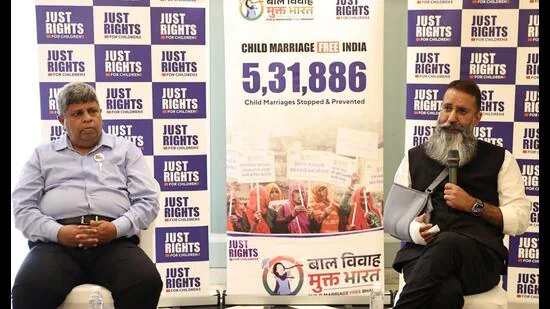
Over 5K Children Rescued, 17K Child Marriages Halted in UP During 2025–26
Bharatmorningnews.com – According to the latest report, Uttar Pradesh has made notable strides in protecting children from exploitation, with over 5,000 minors rescued from labor and trafficking situations during the 2025–2026 period. Simultaneously, more than 17,000 cases of child marriage were successfully prevented, highlighting the state’s intensified efforts to address these entrenched social issues. These achievements are part of a broader initiative to safeguard the rights of children and reduce the prevalence of practices that jeopardize their future. The combined impact of these actions reflects a commitment to systemic change, though challenges remain in ensuring long-term success.
Escalated Rescue Operations and Legal Actions
The 2025–2026 period saw a marked increase in rescue operations, with 3,805 cases identified and addressed compared to 1,904 in the previous year. This surge in activity is attributed to enhanced coordination between law enforcement agencies and child rights organizations. Over 900 First Information Reports (FIRs) were registered, signaling a significant rise in legal interventions. The data underscores a shift toward more proactive measures, with agencies focusing on early detection and swift action to free children from exploitative environments. However, the persistence of these issues across multiple districts indicates that while progress is being made, the problem remains widespread.
Interventions in Child Marriages
Preventing child marriages has become a priority for local administrations, with 17,303 cases halted through various means, including community mobilization and legal directives. Most marriages were stopped by family members or community leaders, often after awareness campaigns highlighting the consequences of early unions. In 17 instances, courts issued injunctions to prevent marriages, while police actions directly intervened in 30 cases. These efforts are complemented by stricter enforcement of laws, such as the Prohibition of Child Marriage Act, which has been increasingly applied to ensure compliance. Despite these interventions, child marriage continues to thrive in rural areas, where socio-economic pressures and cultural norms remain strong.
Support for Child Sexual Abuse Cases
Alongside labor and marriage interventions, 1,076 cases of child sexual abuse were addressed, demonstrating a multi-faceted approach to child protection. The report emphasizes that victims of sexual abuse often require not only legal redress but also emotional and psychological support. To strengthen this, the government has trained 1,585 law enforcement officers in child rights awareness, enabling them to identify and respond to abuse cases more effectively. Additionally, 6.05 lakh vulnerable households were linked to welfare programs, which aim to alleviate poverty and reduce the risk of children being forced into exploitative situations. These initiatives collectively contribute to a safer environment for children, though gaps in accessibility and awareness persist.
Government Goals and Expert Insights
The state government’s 2027 target to eliminate child labor is gaining momentum, with the recent data showing measurable progress toward this objective. Officials have credited improved coordination and resource allocation for the rise in rescue operations. However, child rights experts argue that the figures also reveal the depth of the problem. Bhuwan Ribhu, founder of Just Rights for Children (JRC), noted, “The surge in child rescue efforts and legal actions demonstrates a growing awareness, but it also highlights the need for sustained investment in education and livelihood programs.” He praised the “Surakshit Bal Grams” initiative, which aims to create safer communities through grassroots involvement and targeted support for at-risk children.
Broader Implications and Regional Challenges
While the numbers reflect positive momentum, experts caution that the success of these efforts depends on addressing root causes. Child labor and early marriage are often linked to poverty and lack of educational opportunities, particularly in underserved regions. For instance, districts in northern Uttar Pradesh have reported higher incidences of trafficking, driven by demand for cheap labor in industries such as textiles and construction. In contrast, southern districts face more challenges related to early marriages, where economic hardship forces families to prioritize financial stability over a child’s right to education. These regional disparities underscore the need for localized strategies and tailored interventions.
Long-Term Strategies and Public Awareness
Public awareness campaigns have played a crucial role in reducing child marriage rates, with 60% of halted cases attributed to community-driven efforts. Schools and local NGOs have been instrumental in educating families about the benefits of delaying marriages and the risks of early unions. However, the report also highlights the importance of legal literacy, as many parents remain unaware of their rights and the legal mechanisms available to protect their children. To ensure lasting impact, the state must continue investing in these programs while also strengthening enforcement to prevent recurrence. The current data serves as a benchmark, but sustained commitment is key to achieving lasting change in Uttar Pradesh.