
Connection with underworld, no consent: Why Salman Khan moved court against makers of ‘Kala Hiran’ film
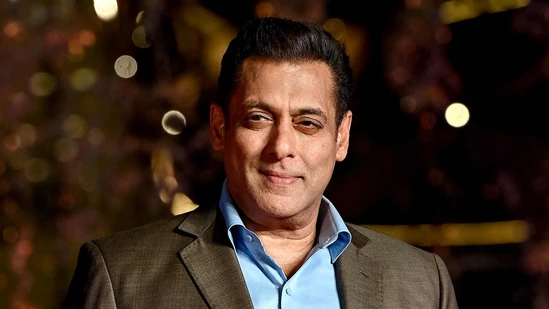
Salman Khan Takes Legal Action Over ‘Kala Hiran’ Film’s Underworld Ties and Consent Claims
Bharatmorningnews.com – Salman Khan, one of Bollywood’s most recognizable stars, has filed a legal petition in the Delhi High Court against the creators of the upcoming film ‘Kala Hiran: The Battle for Legacy’, alleging unauthorized use of his image and reputation tied to his connection with the underworld. The actor claims that the film exploits his personal narrative without consent, potentially undermining his credibility and affecting ongoing legal cases involving his association with gangster Lawrence Bishnoi and the 1998 blackbuck hunting incident.
Allegations of Exploitation and Reputation Risks
Khan’s legal filing asserts that the film’s narrative mirrors events from his 1998 case, where he was acquitted of blackbuck hunting charges. The petition highlights how the creators have woven his persona into the storyline, suggesting a deliberate attempt to associate him with criminal activities. This, the actor argues, could prejudice public perception and cast doubt on his character, especially given his continued legal battles in the Rajasthan High Court and the Supreme Court.
“The film’s portrayal of my connection with the underworld, coupled with its use of my public identity, infringes on my rights to a fair trial and personal reputation,” Khan’s legal team stated in the filing.
One of the key points in the petition is the film’s promotional materials, which feature a character resembling Khan wearing a bracelet similar to his iconic blue one. This subtle yet unmistakable reference, the actor contends, has been used to create a narrative linking him to organized crime, despite his acquittal under the Arms Act, 1959. The legal documents emphasize that such imagery is now synonymous with his public persona, making it a powerful tool for manipulation.
Commercial Exploitation and Public Persona
The legal notice also accuses the film’s producers and directors of leveraging Khan’s public persona for commercial gain, even before the film’s release. Promotional campaigns, including social media posts and interviews, have been designed to make his image indelibly connected to the film’s storyline, according to the petition. This, the actor argues, not only damages his personal brand but also creates confusion among viewers about the authenticity of the narrative.
Khan’s legal team has cited his previous victories in court, including a ruling on November 11, 2025, that affirmed his personality rights. They assert that the film’s creators have bypassed proper consent mechanisms, using his image in a way that could perpetuate false associations. The petition seeks an ad-interim injunction to prevent further promotion and distribution of the film until the court clarifies the issue.
Defamatory Statements and Legal Precedents
Amit Jani, the film’s producer, is accused of making defamatory remarks on social media after receiving Khan’s notice, actively promoting the film’s narrative as inspired by the blackbuck case and Bishnoi’s involvement. These statements, the actor claims, have amplified the perception of his underworld ties, even as legal proceedings continue to exonerate him. Khan’s legal team is also drawing parallels to past cases where public figures faced reputational damage due to media misrepresentation.
The petition underscores the importance of consent in media representation, especially when it involves high-profile individuals. Khan’s lawyers argue that the film’s creators have not only used his likeness but also manipulated his legal history to create a compelling narrative. This, they assert, violates his fundamental rights and sets a precedent for unauthorized use of personal stories in entertainment projects.
Following the filing, Khan’s legal notice on April 24, 2026, demanded an immediate halt to the film’s production and promotion. However, the application notes that the team behind ‘Kala Hiran’ continued their campaigns, prompting the actor to seek urgent judicial intervention. The case now hinges on the court’s interpretation of the actor’s rights and the film’s claim of artistic freedom.
Broader Implications for Celebrity Rights
The legal battle has sparked broader discussions about the rights of celebrities in the digital age. With social media amplifying public perception, actors like Khan are increasingly vigilant about how their image is used. The petition highlights the need for clearer guidelines on consent and the responsible portrayal of public figures in media. Legal experts suggest that this case could set a precedent for future disputes over reputation and publicity rights.
As the Delhi High Court deliberates, the case serves as a reminder of the power of storytelling in shaping public opinion. Khan’s move against ‘Kala Hiran’ underscores his commitment to protecting his identity and legal history from being weaponized in the film industry. The outcome may influence how creators approach narratives involving celebrities, ensuring that their stories are told with proper consent and contextual accuracy.