
Cockroach Janta Party founder to return to India on June 6
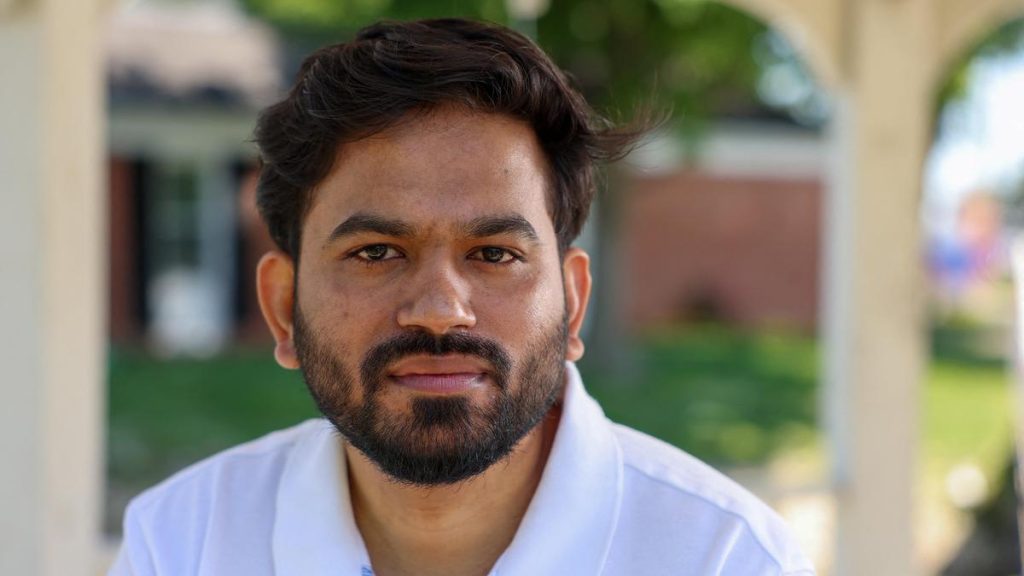
Cockroach Janta Party Founder to Return to India on June 6
Bharatmorningnews.com – Abhijeet Dipke, the founder of the Cockroach Janta Party, has announced his return to India on June 6 to initiate a peaceful demonstration. The protest aims to pressure Union Education Minister Dharmendra Pradhan into resigning due to alleged shortcomings in examination systems. This development follows months of public outcry over academic irregularities, which Dipke claims have disrupted students’ educational journeys and sparked widespread anxiety.
Background of the Movement
The Cockroach Janta Party, a youth-led initiative founded by Dipke, has emerged as a significant voice in recent political discourse. Initially conceived as a social media campaign, the party has evolved into a recognizable platform for students and educators to voice concerns about governance and institutional accountability. Dipke, whose name is synonymous with the movement, has leveraged online platforms to mobilize support, emphasizing transparency and reform in the education sector.
His latest message, shared on Instagram, has garnered attention from both supporters and critics. In the video, Dipke urged participants to gather in Delhi for the protest, framing it as a constitutional duty. “It is time for all of us to unite,” he stated, “and follow the path laid out by the Constitution of India. Together, we can raise our voices and demand that Dharmendra Pradhan steps down.” This call to action underscores the party’s alignment with democratic principles and its focus on grassroots activism.
Protest Details and Logistics
Dipke specified that he will arrive in Delhi on Saturday, June 6, and requested supporters to meet him at the airport. “We will proceed to the Parliament Street police station to secure permission for the demonstration at Jantar Mantar,” he added. The choice of Jantar Mantar, a historic site in Delhi known for its role in public protests, highlights the movement’s strategic emphasis on visibility and collective action.
The protest is expected to draw a diverse group of participants, including students, teachers, and concerned citizens. Dipke’s announcement has been accompanied by an appeal for unity, emphasizing that their combined voices will compel authorities to address the issues at hand. “If we stand together, they will have no choice but to listen,” he reiterated, reinforcing the party’s message of solidarity and nonviolent resistance.
Examination Controversies and Government Accountability
Dipke’s video delves into specific grievances related to the examination process. He highlighted instances of discrepancies, delays, and administrative lapses that have affected students’ performance and morale. “The controversies and disruptions have left our youth in a state of uncertainty,” he said. “It is time for the government to take responsibility and rectify these flaws.”
The Education Minister, Dharmendra Pradhan, has been a focal point of the movement due to his role in managing academic policies. Critics argue that his leadership has contributed to the chaos, with allegations of negligence in overseeing examination logistics. Dipke’s demand for resignation is not merely a critique of the minister but a broader call for systemic changes to ensure fair and transparent evaluation processes.
Public Engagement and Media Coverage
The Cockroach Janta Party has managed to attract a substantial following, with many public figures joining its ranks. This growing influence has been fueled by social media campaigns and consistent messaging on accountability. Dipke’s ability to connect with the younger demographic has transformed the movement into a symbol of student empowerment and political engagement.
His recent announcement has sparked discussions on platforms like Twitter, where users have shared reactions to the planned protest. The hashtag #CJPProtest has trended, indicating the movement’s reach beyond its core supporters. Additionally, the party’s emphasis on peaceful demonstrations has been a key factor in its credibility, as it avoids confrontational tactics while maintaining a strong presence in public forums.
Historical Context of Jantar Mantar
Jantar Mantar, the iconic site chosen for the protest, has a rich history as a hub for political and social movements. Originally built in the 18th century by Maharaja Jai Singh II, it was transformed into a modern protest gathering place after the 1980s. The location’s symbolic significance as a meeting point for citizens makes it an ideal venue for Dipke’s cause, drawing parallels to past demonstrations that have shaped India’s democratic landscape.
By selecting Jantar Mantar, Dipke aligns his movement with the legacy of public dissent that has long been associated with the site. This decision not only amplifies the protest’s visibility but also reinforces its connection to the broader ideals of justice and accountability. The site has witnessed pivotal moments in Indian history, from student-led uprisings to debates on education reform, making it a fitting backdrop for this latest chapter.
Impact and Future Prospects
While the protest is a direct response to recent examination issues, its implications extend beyond the immediate crisis. Dipke’s movement has become a platform for addressing deeper systemic challenges in education governance. By targeting the minister, the party seeks to highlight the consequences of bureaucratic inefficiencies and the need for reforms that prioritize student welfare.
Public figures who have joined the party have amplified its message, providing a cross-section of political and social leaders who support its cause. This growing coalition has the potential to pressure the government into meaningful action, potentially leading to policy changes that could reshape the examination system. The protest on June 6 marks a critical step in this ongoing effort to hold leaders accountable.
As the date approaches, preparations for the event are intensifying. Supporters are organizing to ensure the demonstration is both peaceful and impactful. Dipke’s leadership has been pivotal in maintaining the movement’s momentum, despite initial skepticism from traditional political parties. His ability to articulate grievances in a relatable manner has resonated with a generation seeking change.
The Cockroach Janta Party’s journey from a social media campaign to a recognized political entity reflects the evolving nature of activism in India. Its founder, Abhijeet Dipke, has positioned the movement as a beacon of youth-driven reform, challenging established norms and urging the government to address the concerns of the younger population. As the protest nears, the movement’s influence continues to grow, with the potential to reshape the discourse on education and governance.
In a statement released alongside the announcement, Dipke emphasized that the protest is a necessary step toward achieving justice. “This is not just a protest; it is a collective demand for accountability,” he said. The message has been well-received by many, with supporters rallying behind the cause as a symbol of hope for meaningful change. The movement’s focus on peaceful assembly has also garnered admiration from those who value democratic processes.
As the June 6 event draws closer, the anticipation among participants is palpable. The success of the protest could depend on the coordination of supporters, the response from authorities, and the media’s coverage of the demonstration. With the education sector under scrutiny, the outcome of this protest may set a precedent for future movements demanding transparency and reform.
The Cockroach Janta Party’s story is one of resilience and innovation. By harnessing the power of social media, Dipke has created a platform that bridges the gap between youth aspirations and political action. His decision to return to India and lead the protest is a testament to his commitment to the cause, as well as the movement’s ability to adapt to the challenges of modern activism.
As the world watches, the June 6 protest represents more than just a call for resignation. It is a demonstration of the power of collective action and a reminder of the importance of holding leaders accountable. With each step, the movement continues to evolve, ensuring that the voices of students and educators are not only heard but also heeded in the corridors of power.
Copyright and Comments
Copyright © 2026, THG PUBLISHING PVT LTD. or its affiliated companies. All rights reserved.
Comments have to be in English, and in full sentences. They cannot be abusive or personal. Please abide by our community guidelines for posting your comments.
We have migrated to a new commenting platform. If you are already a registered user of The Hindu and logged in, you may continue to engage with our articles. If you do not have an account, please register and login to post comments. Users can access their older comments by logging into their accounts on Vuukle.