
‘8 months of hard work wasted’: Bittu Tabahi finds Madhya Pradesh’s Ajnar river choked with garbage again | Video
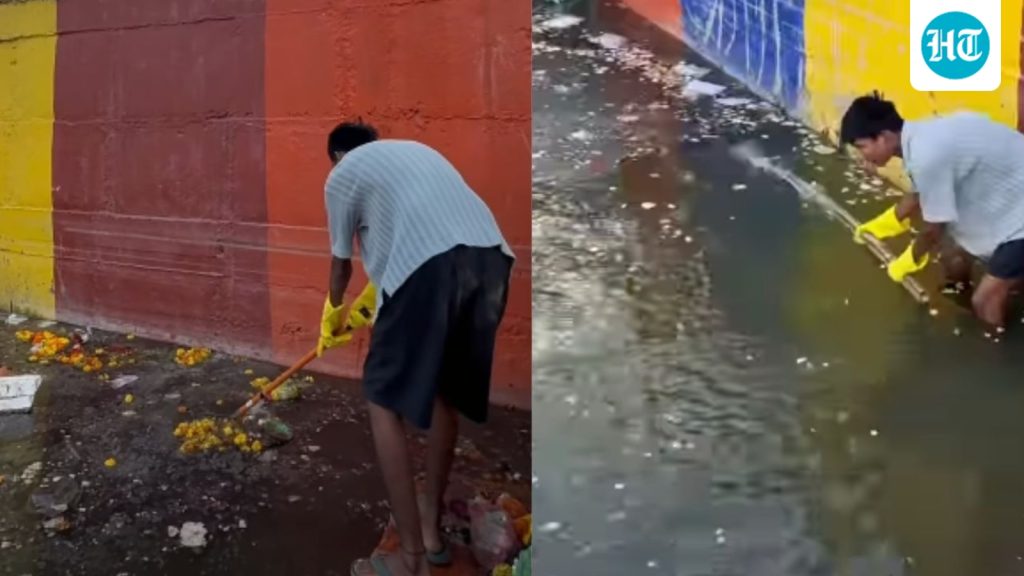
Garbage Returns to Ajnar River Weeks After Lengthy Cleanup
Bharatmorningnews.com – Plastic bags and other discarded waste have again gathered along the Ajnar River in Madhya Pradesh’s Rajgarh district, creating a disheartening setback for Surendra Singh Choudhary, widely known as “Bittu Tabahi” for his river-cleaning efforts.
Choudhary shared a video on Instagram on Tuesday showing rubbish once more visible around the riverbanks. The scene came only weeks after he had completed a major effort to clear the area, spending eight months removing tonnes of waste largely on his own and without specialised machinery.
The return of garbage has drawn fresh attention to a problem that cleanup drives alone cannot solve: preventing waste from reaching waterways in the first place. Rivers can quickly become polluted again when plastic, household rubbish and other debris continue to be discarded near their banks or carried into them by surrounding runoff.
Eight Months of Work, Followed by a Swift Setback
For months, Choudhary worked to pull waste from the Ajnar River piece by piece. His efforts focused on clearing accumulated rubbish that had built up in and around the water. The work demanded persistence, especially because he did not have professional cleanup equipment or a large support team.
In the newly shared footage, plastic bags and waste can be seen collecting near the river again. Rather than walking away from the task after seeing the pollution return, Choudhary resumed cleaning. Though he is not a strong swimmer, he entered the water and began removing rubbish bag by bag.
I never imagined that eight months of my hard work would go to waste like this.
The message accompanying his video reflected both frustration and resolve. Choudhary also invited social-media users to offer practical suggestions for removing a greater amount of waste from the Ajnar River more efficiently.
A Reminder That River Protection Requires Shared Action
The episode has prompted online discussion about public responsibility toward local water bodies. A river cleanup can improve conditions in the short term, but its impact is difficult to sustain when disposal habits do not change. Waste discarded close to a river can remain on the bank, drift into the water or collect in vegetation and shallow areas.
Plastic is particularly difficult to manage once it enters a waterway. Lightweight bags can travel with water movement, become trapped along the edges and mix with other rubbish. When a large amount of waste accumulates, it can make manual collection more time-consuming and hazardous for volunteers.
Choudhary’s experience underlines the importance of combining direct cleanup work with prevention. Keeping rivers cleaner depends on people avoiding littering, using designated waste-disposal arrangements where available and treating riverbanks as environmentally sensitive public spaces rather than dumping grounds.
Community participation can also make a major difference. Regular local cleanups, awareness efforts and safer waste-collection practices can help reduce the burden placed on individuals who take up such work alone. Even small, repeated acts of responsible disposal can prevent large quantities of rubbish from reaching a river over time.
Persistence in the Face of Pollution
Despite the setback, Choudhary’s decision to return to the river highlights the personal commitment behind his campaign. His work has not been limited to raising concern online; he has continued to physically remove waste from the water and its surroundings.
The renewed pollution of the Ajnar River is a stark illustration of how quickly environmental gains can be reversed. It also raises a broader question for residents and communities: how can cleanup efforts be supported so that the same locations do not need to be cleared repeatedly?
For Choudhary, the immediate answer has been to continue. His latest video shows that disappointment has not stopped him from picking up waste again, even after months of intensive labour appeared to have been undone within a short period.
The Ajnar River’s condition serves as a reminder that cleaner waterways require more than the dedication of one person. Long-term improvement rests on collective care, consistent waste management and a shared understanding that rivers are vital local resources deserving protection every day.
Related Reading
Frequently Asked Questions
What is 8 months of hard work wasted?
8 months of hard work wasted is the main topic of this guide. The article explains the context, practical details, and next steps readers should understand.
Why does 8 months of hard work wasted matter?
8 months of hard work wasted matters because readers are looking for a useful answer, not just a short summary. Good content should match search intent and help them decide what to do next.