
World Mental Health Day: Why are we calling everything ‘trauma’ now? Doctor explains what psychological trauma really means
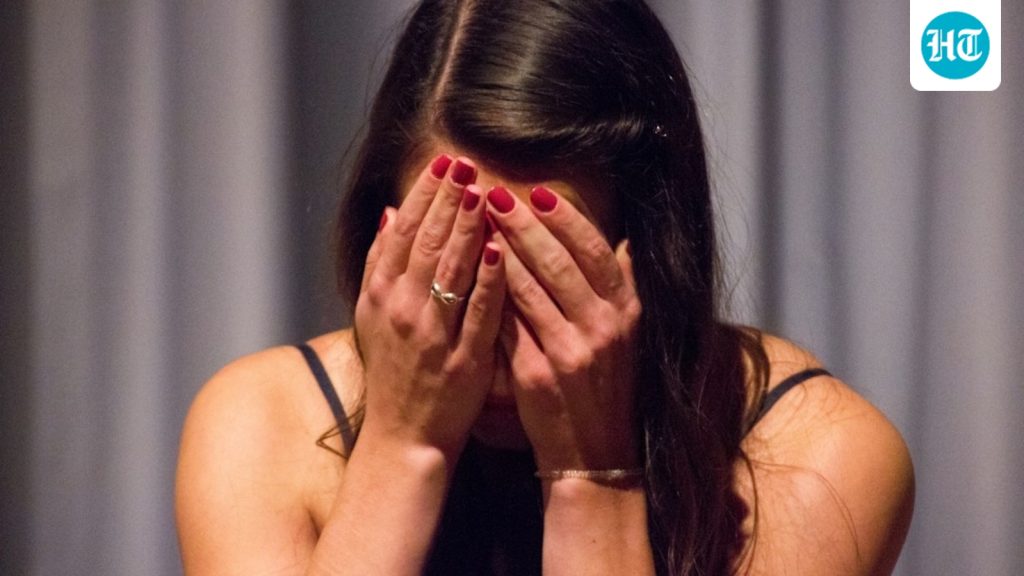
World Mental Health Day: Understanding Psychological Trauma
Bharatmorningnews.com – On World Mental Health Day, conversations about emotional wellbeing often bring up the word “trauma.” It is now commonly used to describe a hard breakup, workplace pressure, criticism, conflict or an upsetting memory. While speaking openly about emotional pain can be helpful, it is also important to understand what psychological trauma means and why it is different from everyday stress or distress.
Consultant psychiatrist Dr Megha Agarwal of Kailash Deepak Hospital says difficult experiences can hurt deeply without necessarily being psychological trauma. Using precise language does not invalidate anyone’s feelings; it helps people recognise the kind of support they may need.
Why “trauma” is used so often
Mental-health terms have become more familiar through social media, workplaces and online discussions. For many people, having words for their emotions can feel validating. However, broad use of clinical language can blur the difference between a painful event and an experience that overwhelms a person’s ability to cope.
“I think the word ‘trauma’ has become a little too casual in everyday conversations. For example, you have a bad day at work and say, ‘I have work trauma.’ You have a difficult breakup and immediately call it relationship trauma. Someone criticises you, and you say, ‘That was traumatic.’ These experiences can definitely hurt you, but that does not necessarily make them psychological trauma,” said Dr Megha.
A breakup may lead to grief, loneliness and self-doubt. Work stress can affect sleep, concentration and mood, while rejection can be painful. These reactions are real and deserve care, rest, support from trusted people and, when needed, professional guidance.
What Psychological Trauma Really Means
Psychological trauma can follow an experience that is so intense, frightening or overwhelming that it disrupts a person’s usual ability to manage emotions, thoughts and daily life. It may be linked to abuse, violence, a serious accident or circumstances in which a person felt seriously unsafe or threatened.
Its effects can continue after the immediate event has ended. A person may feel constantly alert to danger, avoid reminders, struggle with distressing memories or find that certain situations trigger intense emotional or physical reactions. Trauma can also affect relationships, trust and a person’s sense of safety.
“However, trauma tends to have a more lasting impact. It can change how safe you feel, how you respond to situations, and how you relate to other people,” highlighted Dr Megha.
Stress and Trauma Are Not the Same
Stress may result from examinations, financial concerns, relationship problems, demanding work or ongoing responsibilities. It can be exhausting and should not be dismissed, especially when it begins affecting health, sleep or daily functioning.
Trauma generally involves a deeper feeling of being overwhelmed by an event or threat, with effects that may persist long after the situation has passed. Recognising the distinction is not about comparing pain. It is about choosing language that reflects an experience accurately and helps identify appropriate support.
World Mental Health Day is also a reminder that people do not respond to difficult events in identical ways. Personal history, coping resources and support systems can shape how an experience affects someone. There is no need to judge whether a person’s suffering is “serious enough”; persistent distress deserves attention.
When to Seek Support
Support may be helpful if a frightening or overwhelming experience is followed by unwanted memories, nightmares, avoidance, sleep changes, strained relationships, persistent anxiety or feeling constantly on edge. A qualified mental-health professional can help a person understand their reactions and explore suitable care.
Talking with a trusted family member or friend can be a useful first step, but professional support may be especially important when symptoms continue, worsen or interfere with work, study, relationships or daily life.
World Mental Health Day FAQ
Can a breakup be traumatic?
A breakup can be deeply distressing and may require time and support to recover from. Whether it is psychological trauma depends on the person’s experience and the lasting impact on their sense of safety, wellbeing and ability to function.
Is it wrong to say I feel traumatised?
It is not wrong to express emotional pain. More specific words such as hurt, overwhelmed, devastated, stressed or unsafe may sometimes describe an experience more clearly. If the effects feel persistent or difficult to manage, seeking professional help can provide clarity.
What is the key message for World Mental Health Day?
World Mental Health Day encourages open, compassionate conversations about mental health. Taking stress seriously, understanding psychological trauma and seeking support without shame can all help people care for their wellbeing.
Related Reading
Frequently Asked Questions
What is World Mental Health Day?
World Mental Health Day is the main topic of this guide. The article explains the context, practical details, and next steps readers should understand.
Why does World Mental Health Day matter?
World Mental Health Day matters because readers are looking for a useful answer, not just a short summary. Good content should match search intent and help them decide what to do next.