
Nana Patekar, the actor who made intensity his signature, dies at 75
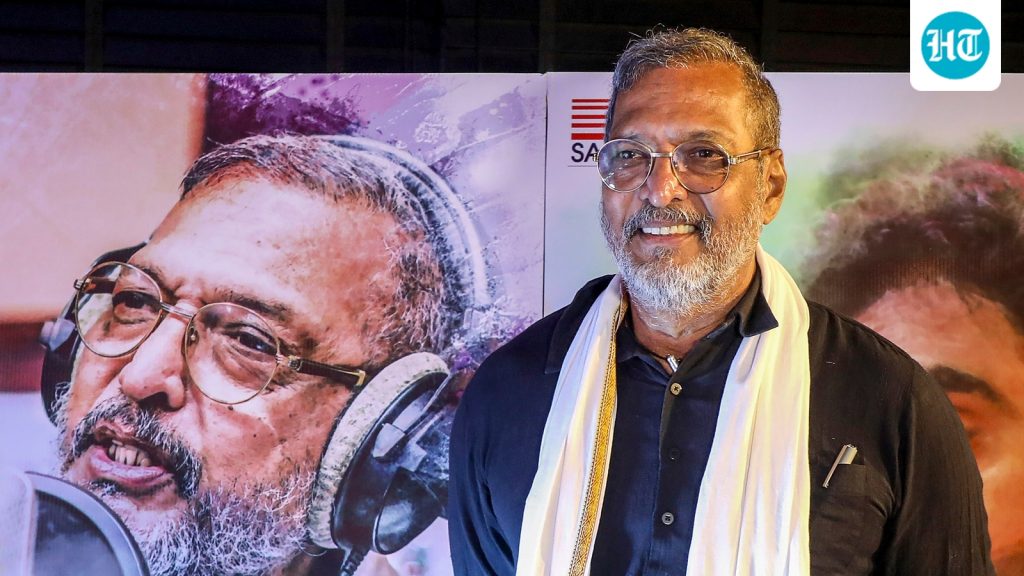
Nana Patekar Dies at 75, Leaving a Distinctive Mark on Indian Cinema
Bharatmorningnews.com – Nana Patekar, the celebrated performer known for bringing unusual force, volatility and emotional truth to Hindi and Marathi films, died early Thursday in Goa. He was 75.
He was found unresponsive at his home in Dona Paula and taken to Manipal Hospital. Medical staff attempted resuscitation for about 45 minutes before he was declared dead at approximately 5.20am following a cardiac arrest. His son, Malhar, confirmed the death.
Over a career spanning almost five decades, Patekar developed a screen identity that was difficult to imitate. His voice, sharp dialogue delivery and ability to convey anger or pain with little warning set him apart in an industry often shaped by familiar heroic formulas. Whether playing a feared criminal, a hardened soldier, a comic underworld figure or a broken theatre veteran, he gave his characters an unsettling sense of reality.
Early years shaped by hardship and theatre
Born Vishwanath Patekar on January 1, 1951, in Murud-Janjira in Maharashtra’s Raigad district, he grew up in financially difficult circumstances. He began working when he was 13. During his student years at Mumbai’s Sir JJ School of Art, he earned money by painting film posters.
Before cinema made him widely known, theatre gave Patekar his artistic foundation. He spent years on the Marathi stage, developing the discipline and control that later became central to his film work. Productions including Hamidabai Chi Kothi, Purush and Maha Sagar established him as an actor of substance well before he became a recognised face on screen.
That theatre background remained visible throughout his career. Patekar rarely approached a role as a display of celebrity. His performances often felt rooted in observation: a pause could carry as much weight as an outburst, while moments of rage were frequently undercut by fear, loneliness or wounded pride.
From character actor to major screen presence
Patekar made his film debut in Gaman in 1978. In the years that followed, he built his standing through supporting and character parts, including his work in Ankush. His decisive breakthrough arrived with Parinda in 1989.
As Anna, the crime boss in Parinda, Patekar created a chilling presence without relying solely on physical brutality. The character’s threat came from restraint, sudden shifts in tone and a sense that violence was always close at hand. The role earned him the National Film Award for Best Supporting Actor and changed how audiences viewed him in Hindi cinema.
The 1990s produced several of his best-known films. In Prahaar: The Final Attack, which he directed as well as starred in, Patekar explored military discipline and his enduring interest in the armed forces. Tirangaa turned him into an even more familiar popular-cinema figure, while Krantiveer gave him one of his most acclaimed leading roles. For Krantiveer in 1994, he received the National Film Award for Best Actor.
He later won another National Film Award for Best Supporting Actor for Agni Sakshi. These honours reflected the range of a performer who could command attention in a lead role without losing the instinctive detail that made his supporting characters memorable.
A performer who could also make audiences laugh
Although Patekar was closely associated with intensity, his career also included a lighter and highly popular side. In Welcome in 2007, he played Uday Shetty with broad comic energy while retaining the imposing personality that had defined many of his dramatic performances. The role introduced another generation of viewers to an actor whose humour could be as forceful as his anger.
His later work included films such as Ab Tak Chhappan and Raajneeti, adding further variety to a body of work that resisted easy labels. He was not confined to one genre, one language or one version of masculinity. His characters could be intimidating, fragile, self-righteous, absurd or quietly devastated.
A return to the Marathi stage spirit
Patekar’s return to Marathi cinema in Natsamrat in 2016 became another landmark in his career. He played Ganpatrao Belwalkar, an ageing actor confronting isolation, pride and emotional collapse after a life in theatre. The performance drew particular strength from Patekar’s own history on the Marathi stage.
In Natsamrat, the connection between performer and role seemed especially close. A veteran actor portrayed a veteran actor whose life had become entangled with the fading memories of performance, family and public admiration. The film reinforced a defining truth about Patekar: despite his considerable success in movies, he retained the instincts of a theatre artist.
He also continued to contribute to Marathi films, including Dr Prakash Baba Amte – The Real Hero. His national recognition included three National Film Awards and the Padma Shri, which he received in 2013.
Work beyond the screen
Patekar’s public life was not limited to acting. In 2015, he and fellow actor Makarand Anaspure founded the Naam Foundation, an organisation created to support farmers and families affected by drought in Maharashtra. The initiative became an important part of how many people understood his life beyond cinema.
His death closes a chapter in Indian film culture shaped by a performer who never seemed fully comfortable with conventional stardom. Patekar’s most enduring legacy may lie in the individuality he brought to every role: characters that were often angry and authoritative, but also marked by vulnerability, contradiction and unmistakable humanity.
Related Reading
Frequently Asked Questions
What is Nana Patekar the actor who made?
Nana Patekar the actor who made is the main topic of this guide. The article explains the context, practical details, and next steps readers should understand.
Why does Nana Patekar the actor who made matter?
Nana Patekar the actor who made matters because readers are looking for a useful answer, not just a short summary. Good content should match search intent and help them decide what to do next.