
‘Better to disband UP Police’: SC pulls up cops after accused caught on spot marked ‘unknown’ in FIR
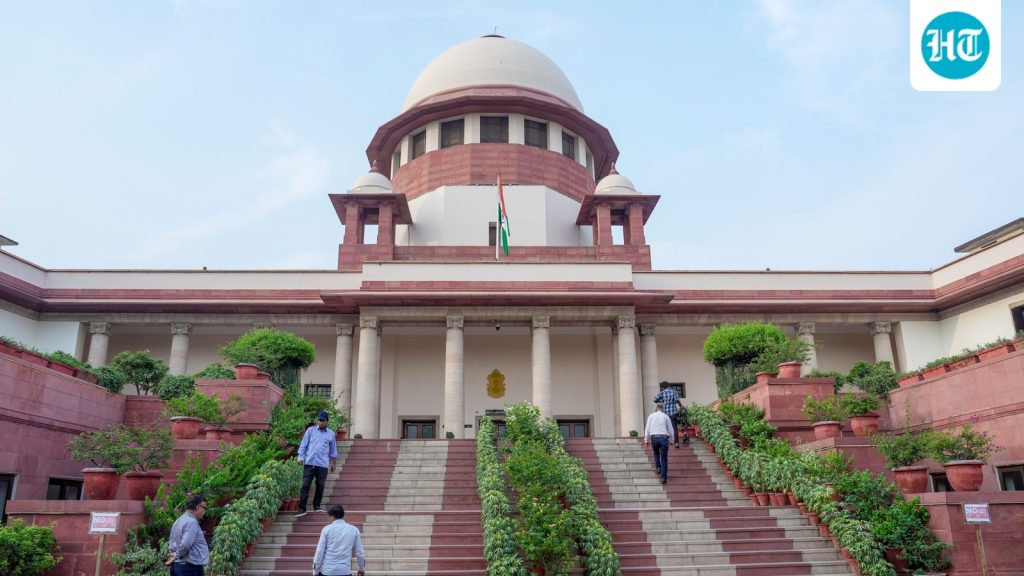
Better to disband UP Police: Supreme Court Rebuke
Bharatmorningnews.com – The Supreme Court strongly criticised the Uttar Pradesh Police after an FIR described an accused person as “unknown” despite allegations that he had been caught at the spot and handed over to officers. The bench’s sharp observation, “Better to disband UP Police,” reflected its concern about public confidence in criminal investigations.
A bench of Justices Sanjay Kumar and Sanjeev Sachdeva heard the matter after a woman appeared before the court. She alleged that she caught the man while he was riding a motorcycle and handed him to the police, but the FIR nevertheless listed the accused as unknown.
“How will people trust you if this is how you proceed with matters. In everything you seem to have an agenda,”
Police Officer Summoned Over FIR Entry
The judges questioned the apparent difference between the woman’s account and the FIR details. They directed the police officer concerned to attend the next hearing and explain what the court described as a possible cover-up in the case.
The woman also alleged that the motorcycle had no registration plate when the accused was handed over. She told the court that a registration number appeared during the later investigation, prompting further scrutiny of how the matter was handled.
“Toeing the line is one thing but you are bending over backwards.”
The Supreme Court made clear that the issue was not being viewed as a routine documentation error. When a person is allegedly identified and handed over at the scene, recording that person as unknown in an FIR raises serious questions about the accuracy and fairness of the investigation.
Why the Supreme Court Raised the CBI Issue
During the hearing, the bench warned that repeated failures of this nature could undermine trust in the Uttar Pradesh Police. It said the court might be forced to consider asking the Central Bureau of Investigation to take over criminal investigations in the state if such conduct continued.
“It is better that we disband the UP police and ask the CBI to step into all your investigations. This nonsense has to stop at some point.”
The Better to disband UP Police remark was a stern rebuke, not an order transferring every Uttar Pradesh case to the CBI. However, it highlighted the court’s dissatisfaction with the information presented and its expectation that police records must reflect available facts accurately.
An FIR is the starting point of a criminal investigation, not a final determination of guilt. Investigators may uncover additional information later, but the court focused on why the accused was described as unknown when the complainant alleged that he had already been apprehended and handed to police.
The next hearing will allow the concerned officer to present the police version regarding the FIR, the identity of the accused, the motorcycle’s registration details and the allegations of an attempt to shield someone involved in the matter. The Better to disband UP Police warning remains a pointed reminder that investigations must be capable of earning public trust.
FAQ: Uttar Pradesh Police FIR Case
Why did the Supreme Court criticise the Uttar Pradesh Police?
The court questioned why an accused was marked as unknown in the FIR despite allegations that he had been caught at the spot and handed over to police officers.
Has the Supreme Court ordered all UP Police investigations to be transferred to the CBI?
No. The court’s comments were a warning during the hearing and not a direction to transfer all criminal investigations in Uttar Pradesh to the CBI.
What will happen next in the case?
The police officer concerned has been directed to appear before the Supreme Court and explain the FIR entry and the allegations surrounding the investigation.