
RG Kar rape-murder: Bengal’s ex-Panihati chairman held over ‘hasty cremation’
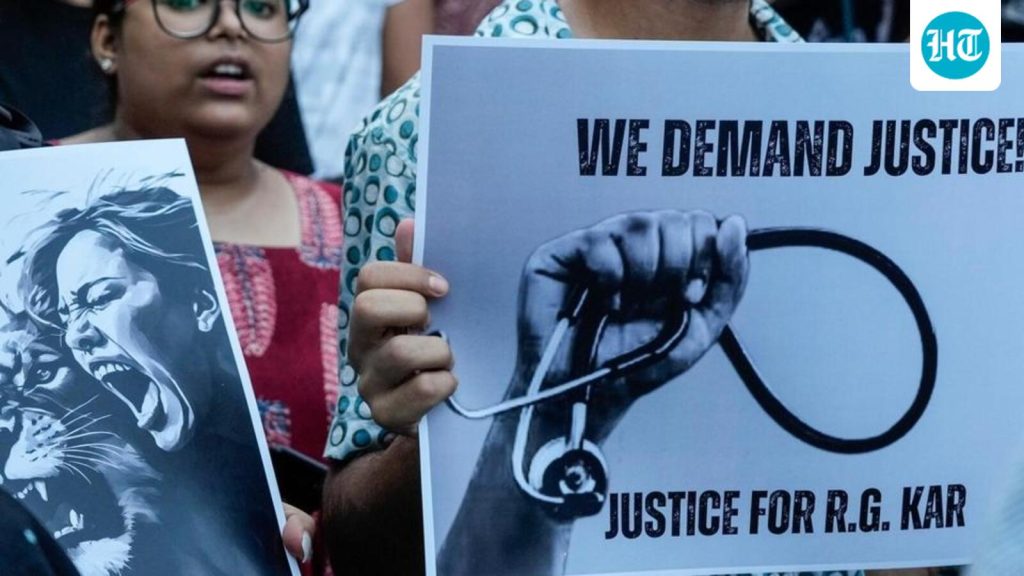
Former Panihati Chairman Somnath Dey Nabbed in Bengaluru Over Cremation Irregularities in RG Kar Doctor’s Death
Bharatmorningnews.com – West Bengal police brought a long manhunt to a close on Thursday when they seized Somnath Dey, the former chairman of the Panihati municipality and a senior Trinamool Congress figure, from a guest house in Bengaluru. He faces charges of orchestrating a rushed cremation of the junior doctor whose rape and murder inside Kolkata’s RG Kar Medical College and Hospital on July 9, 2024, triggered a statewide political earthquake and months of public outrage.
The doctor, a postgraduate student at the institution, was found dead on the morning of August 9, 2024, within the hospital premises where she had been studying. A postmortem examination was carried out within hours of discovery, and by that evening her body had already been committed to flames at a crematorium in the Ghola police station area. The speed of the process — from discovery to cremation in a single day — became the central point of contention in what quickly evolved into a multi-layered investigation.
The Cremation Discrepancy
Chief Minister Suvendu Adhikari himself flagged the cremation as an area requiring separate scrutiny, distinct from the main murder probe now handled by the Central Bureau of Investigation under directions from the Calcutta High Court. Speaking at a memorial event held in Panihati on August 9, the chief minister laid out specific irregularities he had identified.
“The CBI is probing the main crime and also the alleged corruption at RG Kar Hospital under orders from the Calcutta high court. I cannot do anything there, but I have found one aspect that the police can probe. It is the cremation at the obscure Nataghat crematorium in the Ghola police station area.”
Adhikari pointed to a procedural anomaly in the cremation schedule: the deceased was originally listed as the third body to be cremated that day, yet her number was altered to one. Under standard regulations, next-of-kin are required to pay a cremation fee and sign accompanying documents. In this instance, the victim’s family performed neither action, raising questions about who authorized the cremation and why the sequence was manipulated.
Three Leaders Named, Three Arrests
Days after the memorial event, Adhikari directed a fresh police inquiry into the cremation and identified three TMC leaders from Panihati, located in North 24 Parganas district, as prime suspects. The deceased’s family independently named the same three individuals, accusing them of conspiring to obscure the circumstances of her death.
The Barrackpore police commissionerate moved first in August, apprehending former TMC councillor Sanjib Mukherjee in Panihati and former TMC legislator Nirmal Ghosh in Odisha on identical charges. Ghosh had been on the run since July 11, the day his son Tirthankar was taken into custody in a separate criminal matter. Dey, by contrast, had slipped away from Bengal in June and evaded police tracking across multiple cities, including Hyderabad, before his eventual capture in the Karnataka capital.
“Dey had been absconding since June. After the state government ordered a fresh probe into the cremation, a police team followed his trail in several cities, including Hyderabad, but Dey managed to give them the slip. He will be produced before a Bengaluru court today and brought to Bengal on transit remand,” a police officer said, requesting anonymity.
Family Voice and Political Fallout
Ratna Debnath, the slain doctor’s mother and the Bharatiya Janata Party’s elected member of the West Bengal Legislative Assembly for the Panihati constituency, welcomed the arrest as a long-overdue step.
“Dey’s arrest was inevitable. They all played a key role in the conspiracy behind my daughter’s murder.”
The case has become one of the most politically charged criminal matters in recent West Bengal history. The victim was a junior doctor working within a government medical institution, and the allegations extend beyond the murder itself to include systemic corruption at RG Kar Hospital, now under CBI examination. The cremation controversy added a second, distinct layer: the question of whether local political figures intervened to compress the timeline between death and burial rites, potentially to limit forensic scrutiny or public visibility of the body.
Panihati, a small municipality in North 24 Parganas, found itself at the centre of a statewide narrative. The fact that all three accused are TMC leaders from that single locality intensified scrutiny of local party machinery and its relationship with municipal and police administration. For the Adhikari government, ordering the cremation probe while simultaneously acknowledging CBI’s jurisdiction over the primary offence represented an attempt to demonstrate administrative accountability without appearing to interfere with a central investigation.
Dey’s production before a Bengaluru court and subsequent transfer to West Bengal on transit remand marks the final stage of a months-long pursuit. The three accused now face parallel proceedings, and the cremation inquiry will determine whether procedural rules at the Nataghat crematorium were deliberately subverted to serve interests beyond the immediate family’s wishes.
Related Reading
Frequently Asked Questions
What is RG Kar rape murder?
RG Kar rape murder is the main topic of this guide. The article explains the context, practical details, and next steps readers should understand.
Why does RG Kar rape murder matter?
RG Kar rape murder matters because readers are looking for a useful answer, not just a short summary. Good content should match search intent and help them decide what to do next.