
Death penalty by any method is still death
The Method of Execution Is a Distraction From the Punishment Itself
A Court Ruling That Sidesteps the Real Question
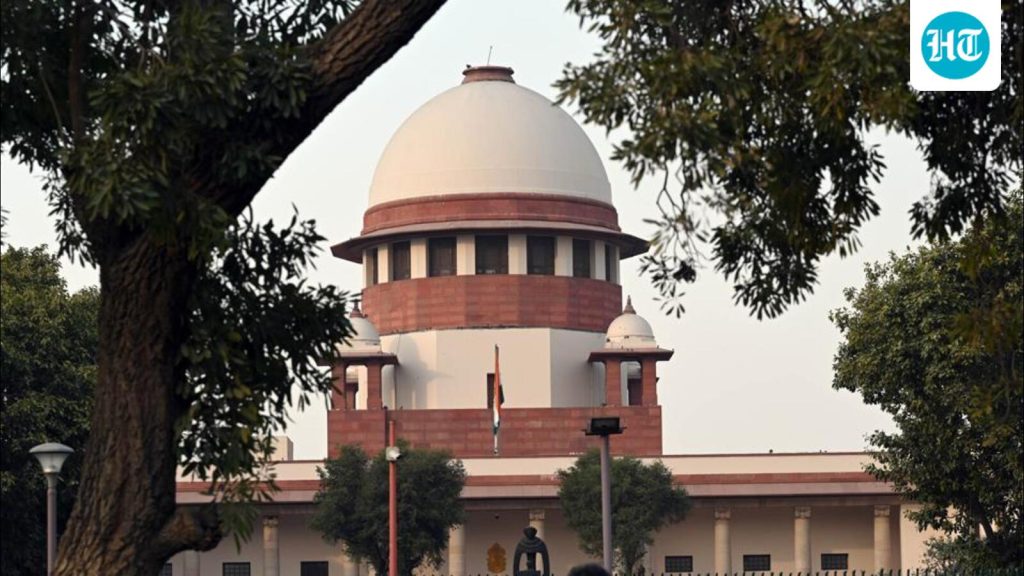
Bharatmorningnews.com – The Supreme Court of India has dismissed a petition that sought to strike down hanging as a constitutionally infirm method of carrying out a death sentence. The challengers argued that the practice infringes the right to a dignified death enshrined in Article 21 of the Constitution. The bench, however, held that no known alternative inflicts greater suffering and that the procedure spares the condemned from what it termed
“barbarity, torture and degradation”
Notably, the Court stopped short of a final pronouncement. It left the door ajar for future legislative reconsideration and for the gradual evolution of constitutional standards around execution. In practical effect, the ruling preserves the status quo while acknowledging that the question is not permanently closed.
The Statutory Framework and a Commission’s Unheeded Advice
Under Section 393(5) of the Bharatiya Nagarik Suraksha Sanhita (BNSS), hanging remains the sole prescribed method of execution. This stands despite a 2015 recommendation by the Law Commission urging the adoption of more modern techniques. The gap between that advisory opinion and the letter of the statute has persisted for nearly a decade.
A Cinematic Ghost in the Legal Machine
Indian cinema of a particular era built an entire visual grammar around the moment a robed magistrate—almost invariably male, sometimes still wearing the peruke—signed the warrant and snapped his pen’s nib. The gesture signalled either the protagonist’s wrongful condemnation or the villain’s long-overdue reckoning. Screenwriters exploited, with predictable ease, the visceral charge that capital punishment carries among ordinary viewers. Whether those tropes shaped jurisprudence or merely reflected it is a question of little consequence here.
The Deeper Anachronism
What genuinely matters is that India’s debate over whether to retain the death penalty at all is as old as the Constitution itself. The latest controversy, by contrast, concerns only the mechanics of killing. By clinging to capital punishment within a decolonised framework of dispensing justice, India has preserved a relic that Britain itself discarded in 1965. Given the country’s otherwise progressive statutory landscape, the survival of the death sentence reads less like settled law and more like a badly produced 1980s masala feature playing at an arthouse retrospective—out of step with everything around it.
Related Reading
Frequently Asked Questions
What is Death penalty by any method is still?
Death penalty by any method is still is the main topic of this guide. The article explains the context, practical details, and next steps readers should understand.
Why does Death penalty by any method is still matter?
Death penalty by any method is still matters because readers are looking for a useful answer, not just a short summary. Good content should match search intent and help them decide what to do next.