
London bus drivers protest against sweltering working conditions
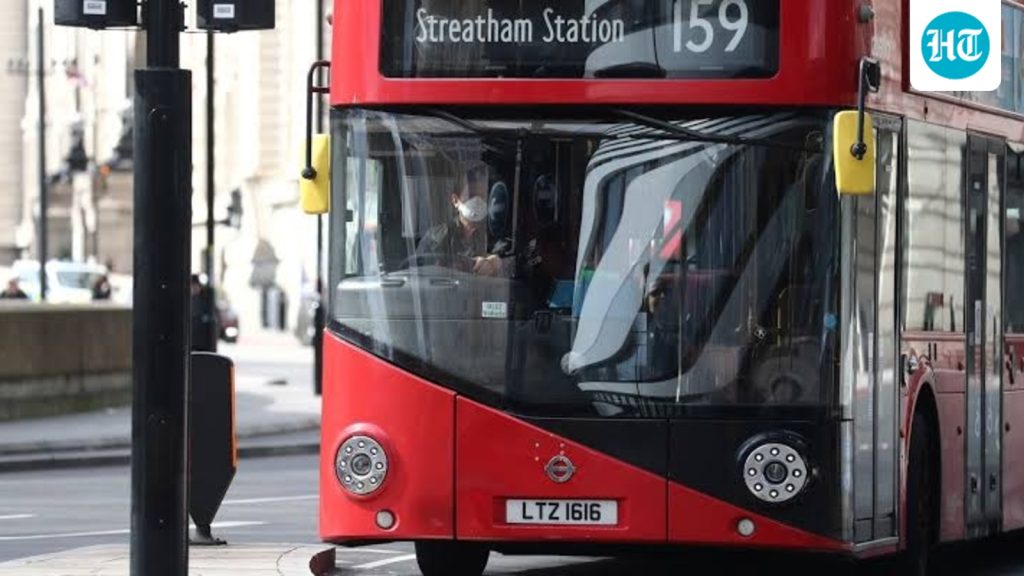
London Bus Drivers Walk Out Over Scorching Cabins
Bharatmorningnews.com – More than 1,500 bus drivers across north London and Essex began a strike on August 14th, demanding relief from what they describe as roasting working conditions. After weeks of record-shattering heat, the workforce reached its breaking point.
Their plight mirrors a daily frustration felt by millions of commuters navigating the capital’s transit network this summer. Whether plunging into an un-air-conditioned Tube carriage or boarding a surface bus that feels like a rolling greenhouse, passengers have been forced to choose between two flavors of thermal discomfort. A small number of Underground and Overground routes do offer climate control, sparing their riders from the worst. Commuters at least get relief when their journey ends. Drivers, however, must endure an entire shift locked inside a cabin that can hit 40°C.
A Legal Blind Spot
Under British statute, heat qualifies as a workplace hazard. Yet while indoor employment below 16°C (or 13°C for physically demanding tasks) is prohibited, no upper temperature threshold exists. Workers fortunate enough to occupy air-conditioned offices escape the problem entirely; those who are not remain exposed. While several continental governments have moved to amend labour codes in response to extreme temperatures, British legislators have shown little appetite for comparable reform.
A Warming Trajectory
The climate backdrop makes the issue increasingly urgent. Britain now records roughly three times as many days exceeding 30°C compared with six decades ago. The current summer is poised to become the warmest since systematic measurements began in 1884. Some researchers project that by mid-century, London’s climate profile will closely track Barcelona’s present-day conditions.
Health and Productivity Costs
When ambient temperatures surpass 30°C, workplace injury rates climb. Workers spending most of their day outdoors face elevated risks of sun-related illness, including skin cancer and heatstroke. Output suffers as well: research indicates that for each degree above 20°C measured by wet bulb globe temperature—a composite index accounting for humidity, wind speed, solar radiation, and air temperature—productivity falls by two to three percent.
Southern Europe Adapts
Continental nations are already reshaping labour rules around hotter realities. Spain prohibited certain outdoor occupations during severe-heat warning days beginning in 2023 and introduced paid climate leave for extreme weather events in 2024. Most Italian regional authorities ban agricultural, construction, and quarrying operations between midday and 4 p.m. through the summer; in select regions the stop-work directive extends to delivery riders. France has strengthened employer duties aimed at curbing heat-related occupational risks, including schedule adjustments that steer workers away from peak-heat hours.
Pressure for British Reform
Could this summer’s extreme temperatures finally push Westminster toward similar measures? UNISON—the largest British union, representing public-service employees—alongside other labour organisations is lobbying to supplant the 1992 regulation (which obliges employers to assess heat risk and implement controls) with the mandatory break provisions gaining traction across southern Europe. Hannah Spencer, a Green Party MP, has tabled a private member’s bill proposing an independent body empowered to recommend maximum permissible workplace temperatures.
“The last few months should have been a huge wake-up call for the government,” she says.
Parliamentary backing for her proposal remains thin. Yet as cabins continue to bake and drivers keep walking out, ignoring the question has grown ever more difficult.
Related Reading
Frequently Asked Questions
What is London bus drivers protest against sweltering?
London bus drivers protest against sweltering is the main topic of this guide. The article explains the context, practical details, and next steps readers should understand.
Why does London bus drivers protest against sweltering matter?
London bus drivers protest against sweltering matters because readers are looking for a useful answer, not just a short summary. Good content should match search intent and help them decide what to do next.