
What would you rather choose for hair growth: rosemary oil or onion oil? Here is the winner
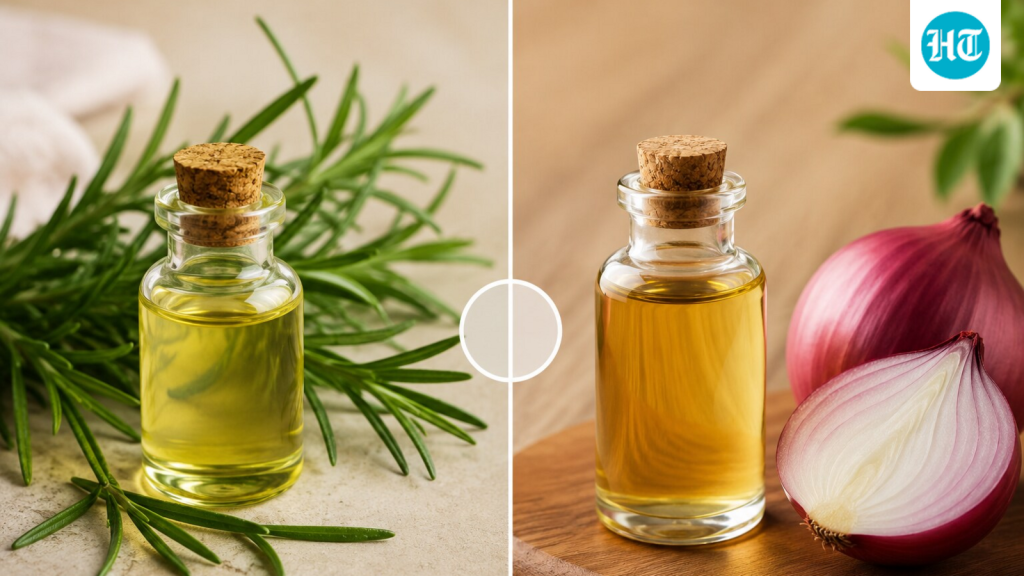
Rosemary Oil vs Onion Oil: The Ultimate Hair Growth Showdown
Bharatmorningnews.com – What would you rather choose for hair growth when faced with thinning strands and lackluster locks? This is a question that plagues countless individuals seeking natural solutions for healthier hair. Both rosemary oil and onion oil have emerged as powerhouse remedies in the world of hair care, each offering unique benefits backed by tradition and science. Understanding their differences can help you make an informed decision tailored to your specific hair needs.
The debate between these two essential oils has intensified as more people turn away from chemical-laden products. While rosemary oil has been celebrated for centuries for its aromatic properties and healing abilities, onion oil has gained modern recognition for its sulfur-rich composition. Both oils work differently to promote hair health, making the choice dependent on individual concerns and preferences.
Why Rosemary Oil Deserves Your Attention
Rosemary oil has established itself as a formidable contender in hair growth treatments. Derived from the Rosmarinus officinalis plant, this golden-hued oil contains compounds that stimulate blood circulation to the scalp. Improved circulation means better nutrient delivery to hair follicles, which can result in stronger, longer-lasting hair growth.
Research suggests that rosemary oil may be as effective as minoxidil for treating androgenetic alopecia, though without the potential side effects. Its anti-inflammatory properties help soothe irritated scalps, while its antimicrobial qualities combat dandruff and other scalp conditions that can hinder hair growth. Regular use can transform dry, brittle hair into soft, manageable strands with improved elasticity.
The Power of Onion Oil for Hair Health
Onion oil brings a different set of advantages to the table. Rich in sulfur, this oil strengthens hair follicles and promotes collagen production, both essential for healthy hair growth. The sulfur content also helps improve blood circulation to the scalp, similar to rosemary oil, but through a different mechanism.
What makes onion oil particularly valuable is its ability to reduce premature graying and hair loss. Studies have shown that applying onion juice or oil can reverse hair loss in many individuals within weeks of consistent use. The high antioxidant content protects hair from environmental damage and oxidative stress, keeping strands vibrant and resilient.
Comparing Application Methods
When deciding what would you rather choose, consider how each oil is applied. Rosemary oil is typically diluted with a carrier oil like coconut or jojoba before massage into the scalp. This method allows for gentle, thorough coverage without overwhelming the senses. Many users prefer leaving it on overnight for maximum absorption.
Onion oil, while effective, has a stronger odor that some find challenging. However, modern formulations have improved significantly, offering pleasant scents without compromising efficacy. It can be applied directly or mixed with other oils, and many people find that combining both oils creates a synergistic effect that addresses multiple hair concerns simultaneously.
Who Should Choose Which Oil?
Individuals with sensitive scalps or those who prefer subtle aromas might lean toward rosemary oil. Those dealing with significant hair loss, premature graying, or sulfur deficiencies may benefit more from onion oil. People experiencing both issues often find that alternating between the two oils provides comprehensive care.
It is also worth noting that rosemary oil works well for oily scalps, while onion oil can help balance dry, flaky conditions. Your specific hair type and concerns should guide your selection, though many hair care experts recommend trying both before committing to one.
“The key to successful hair growth lies in consistency and choosing the right oil for your specific needs. Both rosemary and onion oils offer remarkable benefits when used correctly.”
Frequently Asked Questions
How long does it take to see results from rosemary oil?
Most users report visible improvements within 4-6 weeks of consistent application. However, significant hair growth and thickness improvements may take 3-6 months depending on individual factors and the severity of hair concerns.
Can onion oil cause hair damage if used excessively?
When used in moderation, onion oil is safe for most hair types. Overuse may lead to scalp irritation in sensitive individuals. It is recommended to use it 2-3 times per week rather than daily to prevent potential issues.
Is it safe to mix rosemary and onion oils together?
Yes, combining both oils can create a powerful hair growth treatment. Start with equal parts and adjust based on your preference and scalp sensitivity. This combination addresses multiple hair concerns simultaneously.
Which oil is better for preventing hair fall?
Both oils are effective for preventing hair fall, but onion oil may have a slight edge due to its higher sulfur content and ability to strengthen hair follicles more intensely. However, individual results may vary based on the cause of hair loss.
Can these oils be used on colored hair?
Both rosemary and onion oils are generally safe for colored hair. Rosemary oil may help maintain color vibrancy, while onion oil’s nourishing properties can prevent color fading caused by dryness. Always patch test before full application.
Ultimately, what would you rather choose depends on your personal hair journey and specific concerns. Both oils offer proven benefits, and many people find that incorporating both into their routine yields the best results for long-term hair health and growth.