
House panel criticises Union government’s flagship welfare support for fisherfolk
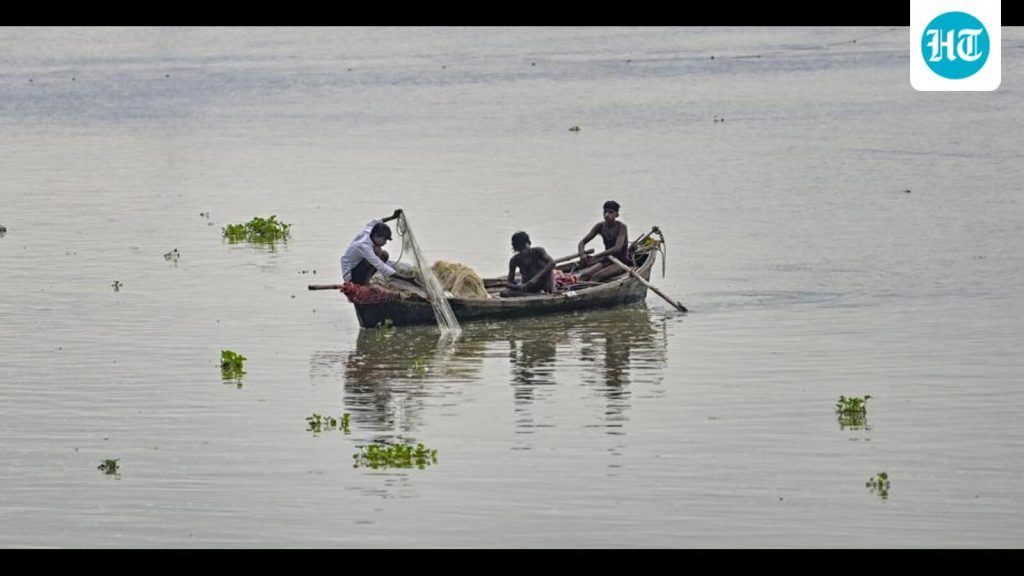
House Panel Criticises Union Government Over Fishermen Welfare Scheme Gaps
Bharatmorningnews.com – House panel criticises Union government s flagship welfare programme for fisherfolk, raising serious questions about its reach and effectiveness. A parliamentary committee has expressed deep concern over the Union government’s primary welfare initiative designed to support traditional fishing communities across the nation. According to the panel’s comprehensive findings, merely 2.1 percent—equivalent to 595,000 individuals—of the nation’s approximately 28 million fishers obtained financial aid throughout the yearly fishing prohibition spanning from 2020 to 2025. This remarkably low coverage rate has prompted calls for immediate reforms in how the scheme operates and distributes benefits to those who need them most.
Understanding the Fishing Ban Framework
Coastal waters across India observe a 61-day annual restriction designed to safeguard fish populations during critical breeding and spawning periods. This closure period varies between the eastern and western coastal regions of the country, with different states implementing slightly different timelines based on local marine ecology. The ban serves dual purposes: protecting fish stocks from overexploitation during reproduction seasons and ensuring sustainable livelihoods for millions dependent on fishing. Despite its importance, the welfare support mechanism tied to this ban has faced significant criticism for failing to reach the majority of beneficiaries.
Scheme Performance Falls Short of Expectations
The Standing Committee on Agriculture, Animal Husbandry and Food Processing characterized the livelihood and nutritional support element within the Pradhan Mantri Matsya Sampada Yojana (PMMSY) as performing poorly. This assessment comes despite the program’s core objective of mitigating income reduction during the ban period. House panel criticises Union government officials for not adequately addressing the structural issues that prevent wider participation in the scheme.
The committee described the situation as “very disheartening” given that such a limited share of fisherfolk benefited despite five years of the scheme being active. Many fishermen reported difficulties in navigating the registration process and meeting eligibility criteria, which contributed to the low uptake rate.
Under the existing PMMSY framework, the central government allocates ₹3,000 yearly for every registered beneficiary. Participants contribute ₹1,500 toward this amount, bringing the combined annual support to ₹4,500, which gets distributed by individual states or union territories. However, this contribution requirement has become a significant barrier for many economically vulnerable fishermen who struggle to afford even this modest payment.
The committee dismissed claims suggesting inadequate registration was the main reason for limited coverage. Instead, members pointed to prevailing economic conditions and rising inflation as justification for increasing financial assistance during the fishing ban to a minimum of ₹10,000 annually per fisher, eliminating any yearly contribution requirement from fishermen. Such a revision would not only improve accessibility but also provide meaningful relief to families dependent on seasonal fishing income.
Department Response and Infrastructure Concerns
In its action-taken report, the fisheries ministry revealed that a proposal to boost financial assistance has been drafted for rollout beginning in the 2025-26 fiscal year. However, implementation hinges on available fiscal capacity and endorsement from either the competent authority or the Union Cabinet. The ministry did not specify the exact enhanced amount under consideration, leaving stakeholders uncertain about the timeline for improvements. For more details on government welfare schemes, readers may refer to Hindustan Times coverage on national initiatives.
Additionally, the committee highlighted sluggish progress in fisheries infrastructure development. India currently maintains 1,547 officially notified fish landing centers, yet only 379 received selection for development as fishing harbors or landing centers since 1964. By June 2025, merely 287 of these selected centers had achieved completion status. This slow pace of infrastructure modernization has created bottlenecks in the fishing supply chain, affecting both fresh catch preservation and market access for fishermen.
Current facilities possess capacity for 148,000 fishing vessels, while the country operates 238,000 active vessels. Recognizing this substantial discrepancy, the committee directed the fisheries department to identify additional landing centers for modernization, explore flexibility in selection requirements, and accelerate project execution timelines. Without adequate infrastructure, even improved financial support may fail to deliver comprehensive benefits to the fishing community.
Looking Ahead: Recommendations and Next Steps
The parliamentary committee has outlined several key recommendations aimed at strengthening the welfare framework for fisherfolk. These include simplifying the registration process through digital platforms, increasing financial assistance to at least ₹10,000 annually, and removing the mandatory contribution requirement. Furthermore, the committee emphasized the need for better coordination between central and state authorities to ensure timely disbursement of funds.
As the government prepares to implement these changes, stakeholders remain hopeful that the revised approach will address the shortcomings identified by the House panel. With proper execution and monitoring, the welfare scheme could transform into a robust support system that genuinely benefits India’s vast fishing community. The upcoming fiscal year will be crucial in determining whether these recommendations translate into meaningful improvements on the ground.
Frequently Asked Questions
What is the Pradhan Mantri Matsya Sampada Yojana (PMMSY)? PMMSY is a flagship welfare scheme launched by the Union government to support fisherfolk through financial assistance during the annual fishing ban period. The scheme provides combined support of ₹4,500 annually, with ₹3,000 from the central government and ₹1,500 contributed by beneficiaries.
Why is the fishing ban important for fisherfolk? The 61-day annual fishing ban protects fish populations during critical breeding seasons. During this period, fishermen cannot earn income from fishing, making welfare support essential for their livelihoods and nutritional needs.
What are the main criticisms of the current scheme? The primary criticism is the low coverage rate of only 2.1 percent of fishers receiving benefits. Other concerns include the mandatory ₹1,500 contribution from beneficiaries, inadequate infrastructure at landing centers, and slow implementation of proposed improvements.
When will the enhanced financial assistance be implemented? The fisheries ministry has drafted a proposal to increase financial assistance for rollout beginning in the 2025-26 fiscal year. However, final implementation depends on fiscal capacity and approval from the competent authority or Union Cabinet.
How many fishing vessels does India currently operate? India operates approximately 238,000 active fishing vessels, while current landing center facilities can accommodate only 148,000 vessels. This capacity gap highlights the need for additional infrastructure development across coastal regions.