
Hockey World Cup: How India is revamping its game to beat the best
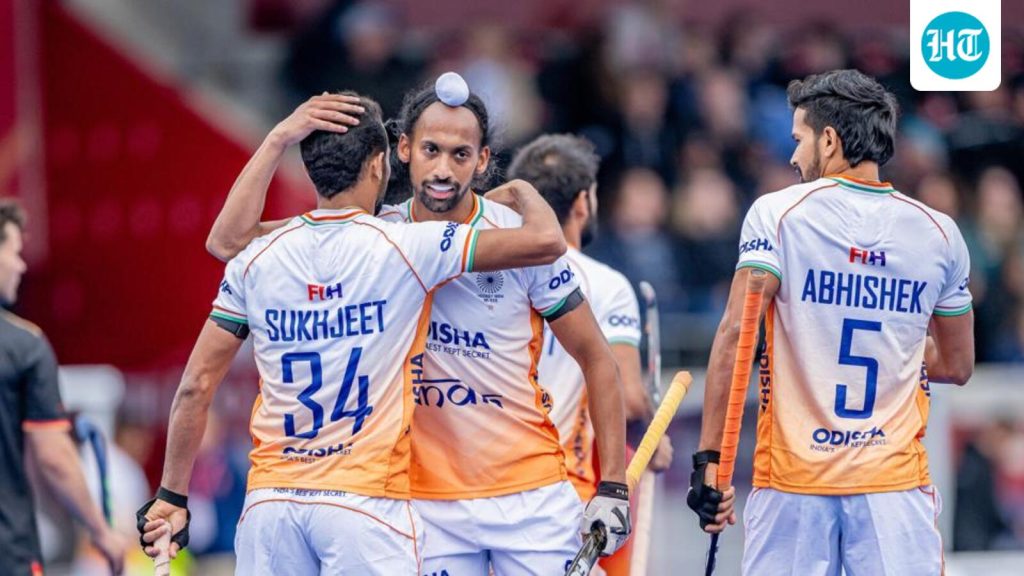
India’s Tactical Overhaul for World Cup Success
Bharatmorningnews.com – India’s hockey squad is preparing for a demanding period that encompasses both the upcoming World Cup, running from August 15 through 30, and the Asian Games scheduled for September 19 to October 4. This crucial window has exposed a significant weakness within the squad’s approach, prompting leadership to reconsider their strategies.
The primary concern centers on how the team handles the aggressive man-to-man defensive systems employed by top European nations. Rather than avoiding this challenge, the coaching staff has chosen to address it directly through intensive preparation.
Learning Through the Pro League
The opening phase of the 2025-26 FIH Pro League highlighted these vulnerabilities clearly. During the February home matches in Rourkela, India failed to secure any victories across four encounters against Belgium and Argentina, dropping all four contests. However, the Harmanpreet Singh-led squad showed marked improvement during the Hobart leg that same month, recording one defeat, two losses decided by shootouts, and a single shootout victory.
Under Craig Fulton’s guidance, the team demonstrated considerable growth during the Rotterdam tournament in June. Facing world champions Germany and Olympic gold medalists Netherlands, India secured two wins and two defeats. Building on this momentum, the squad concluded their Pro League campaign with alternating shootout results against host nation England in London, before claiming back-to-back victories over Pakistan.
Addressing the Man-to-Man Challenge
Hardik Singh, serving as vice-captain, identified the compressed Hockey India League schedule as a contributing factor to the team’s early struggles, which revealed both tactical and structural deficiencies.
“We are very good in the zone (zonal structure) but we struggle a lot in man-to-man,” Hardik told HT in a candid chat.
For a squad eager to conclude a half-century search for World Cup success, mastering man-to-man hockey has transitioned from preference to necessity.
Zonal defense enables players to protect designated pitch sections through spatial awareness and coordinated pressing. Conversely, man-to-man requires continuous tracking, exceptional individual tackling ability, and substantial physical endurance.
The upcoming World Cup, hosted across Netherlands and Belgium, presents particular challenges. India’s group includes England, Wales, and Pakistan—all nations recognized for employing this demanding style. As the tournament progresses, encounters with Olympic champions Netherlands become increasingly likely, a team that has essentially defined contemporary man-to-man pressing tactics.
“In the World Cup, all teams in our pool play man-to-man. So, we are working on that right now. In man-to-man, we need to be physically fit and strong. And when it’s man-to-man, we don’t need to be scared of anything, be it physical contact or intense matches,” says Hardik.
Fitness as Foundation
Competing against elite opposition in such a physically demanding format requires unwavering stamina. Hardik emphasizes that physical conditioning now takes precedence over all other considerations, since man-to-man marking success depends heavily on endurance. A player losing pace during the final quarter can destabilize the entire defensive structure.
“Our focus is more on fitness because we have back-to-back matches. The World Cup and Asian Games are separated by just two weeks, so fitness is our first priority, followed by tactical adjustments—how fast we adjust,” adds the ace midfielder.
This tactical imperative has led to what Hardik characterizes as the most demanding physical assessment of his international career—the rigorous one mile (1.6km) test. Participants must complete eight pitch laps within a specified timeframe. This evaluation measures cardiovascular capacity and estimates VO2 max to determine fitness qualifications.
Combined with the Yo-Yo test, where the complete squad maintains levels near 22—a benchmark Hardik remembers from before their historic Olympic medal achievement—the team is constructing a foundation for both major tournaments.
Specialized Preparation
Recent months have seen targeted training programs emerge. Attackers participate in dedicated shooting exercises, while midfielders concentrate on receiving and distributing under pressure. Defenders dedicate additional time to tracking movements and refining tackling techniques. These supplementary repetitions aim to prevent the late-match defensive breakdowns that have historically affected India.
The vice-captain expresses confidence in the squad’s development path, considering the Pro League improvement as essential education. He notes that resilient displays against superior opponents demonstrated fundamental strength beneath the surface challenges.
Related Reading
Frequently Asked Questions
What is Hockey World Cup?
Hockey World Cup is the main topic of this guide. The article explains the context, practical details, and next steps readers should understand.
Why does Hockey World Cup matter?
Hockey World Cup matters because readers are looking for a useful answer, not just a short summary. Good content should match search intent and help them decide what to do next.